
Some products reveal everything about themselves in a single sitting, while others only show their true colours after a fortnight of breakfasts, a dozen laundry loads or a week of a fussy dog deciding whether it actually likes its new dinner. For that second group, a quick tasting or a short session in a test facility can only tell you part of the story.
Home use testing fills that gap by placing your product with carefully selected consumers who use it in their own homes, as part of their normal routine, over days or weeks. Knowing which products gain the most from home use testing helps you decide when it’s the right method for your project and when a quicker approach will do the job.
What Makes a Product Right for Home Use Testing
The products that benefit most share one trait, which is that the experience unfolds over time. Flavour fatigue, a moisturiser’s effect on skin or a cleaner’s performance across a week of real mess are things a one-off session can’t capture, which is why a test lasting from a few days to several weeks suits them so well.
Context matters just as much, because the way people store, prepare and use a product at home rarely matches the conditions in a test kitchen or lab. Feedback gathered in the middle of real routines tends to be more authentic than lab-based results, as it reflects the habits, shortcuts and household quirks your product will meet after launch.
Signs Your Product Needs Home-Based Consumer Testing
If you’re unsure whether your product is a good candidate, the clues are usually in how and where it’s used, and testing at home is especially good at revealing how consumers really behave with a product away from a formal test setting.
Your product is likely to benefit if any of the following apply:
- Its benefits build up with repeated use rather than on the first try.
- It’s prepared, cooked or mixed at home, so results depend on the consumer rather than a technician.
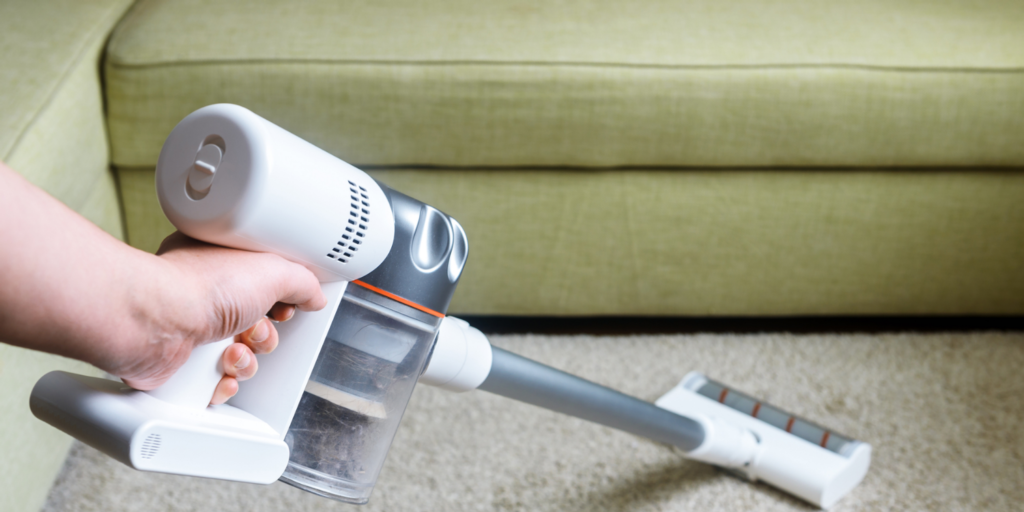
- Its performance depends on home conditions such as appliances, water or room size.
- The person who buys it isn’t the one who uses it, as with pet food or children’s products.
- Its appeal could shift with the weather or the time of year, which makes the timing of your test especially important.
The Products That Benefit Most From Home Use Testing
Almost any consumer product can be tested at home, but a handful of categories gain far more from the method than others, and these are the ones where in-home testing tends to repay the investment most clearly.
Food and Drink Products
Food and drink products are a natural fit for home use testing, as it shows how a product performs when people cook it themselves and eat it repeatedly over several days. A cereal, sauce or ready meal that impresses at a single tasting can lose its appeal by the fifth bowl, and that’s exactly what you need to know before launch.
It’s equally valuable when you’re changing an existing recipe, since checking a reformulation with loyal customers at home helps you spot differences they’ll notice over time. You can also pair it with consumer taste testing in a central location, using the quicker session to narrow the options and the home test to confirm the winner.
Personal Care and Household Products
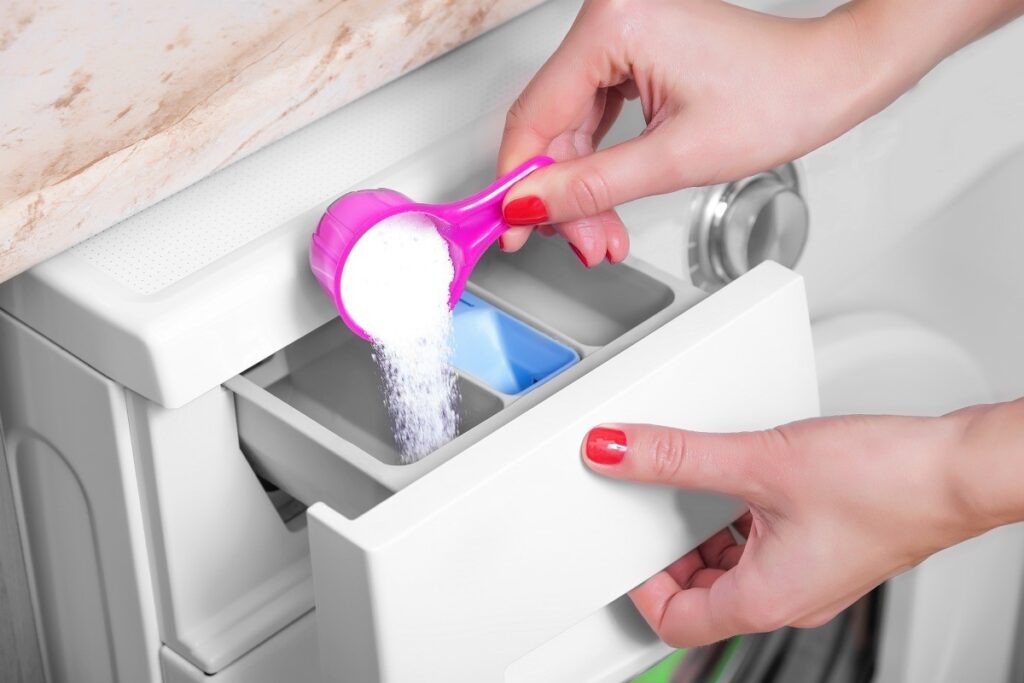
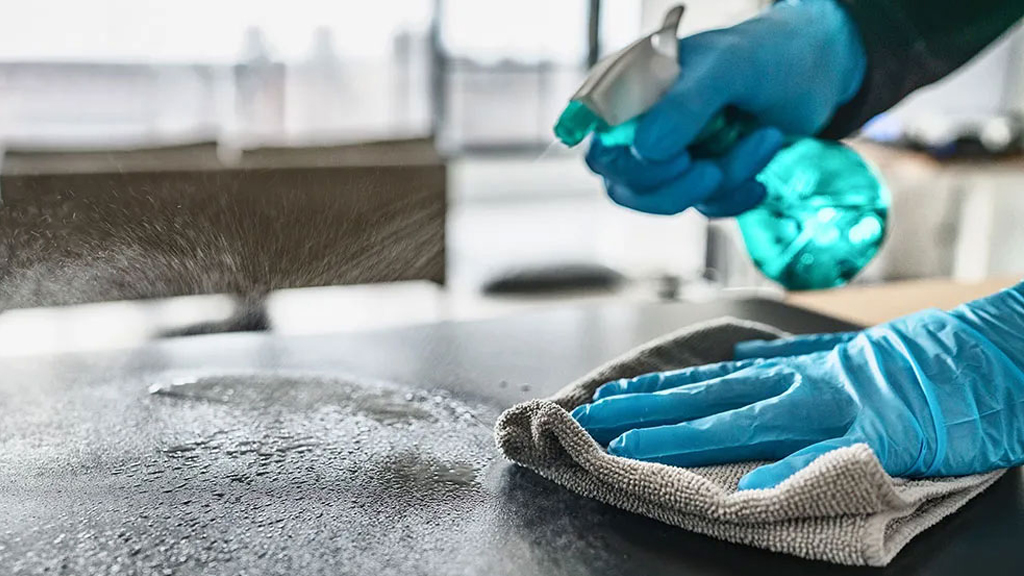
Skincare, haircare and cleaning products often need weeks of use before their real benefits, or their shortcomings, become clear, and a long-term skincare product might need around a month at home to judge properly. Testing household products in real kitchens and bathrooms also shows how they cope with genuine dirt, different appliances and the routines of busy families.
Products that make a performance promise, such as deodorants or treatments that tackle odours on towels and fabrics, gain even more from real-world use, as efficacy testing under normal user conditions gives you evidence that stands up. The same in-home evidence can guide smarter launch decisions for new cleaning and personal care ranges before they reach the shelves.
Pet Food and Children’s Products
Pet food is one of the clearest cases for testing at home, because the pet decides whether to eat it while the owner decides whether to buy it again. Testing pet food in real households captures both sides over several days, from acceptance at mealtimes to the owner’s view of serving and storage, and wider pet research covers toys and accessories as well.
Children’s products work in a similar way, with parents and children both shaping whether a product earns a place in the weekly shop. Research with children and families is often carried out at home, with products sent directly to families who then share their feedback together in a setting that feels natural to younger participants.
Plan a Home Use Test Around the Right Product
Choosing the right product is only the first step, as a well-run study also depends on keeping participants engaged and the data meaningful from the first day to the last. With careful recruitment, clear objectives and the right questions, you’ll end up with insight you can act on with confidence.
Wirral Sensory Services has been running sensory and consumer research since 1997, recruiting participants from our own database and app so that every study reaches the right consumers. Getting that match right is what makes home use testing a more accurate reflection of everyday product use than a survey or a one-off session.
If you’d like to talk through which of your products would gain the most from home use testing, email info@wssintl.com or call our team on 0151 346 2999.