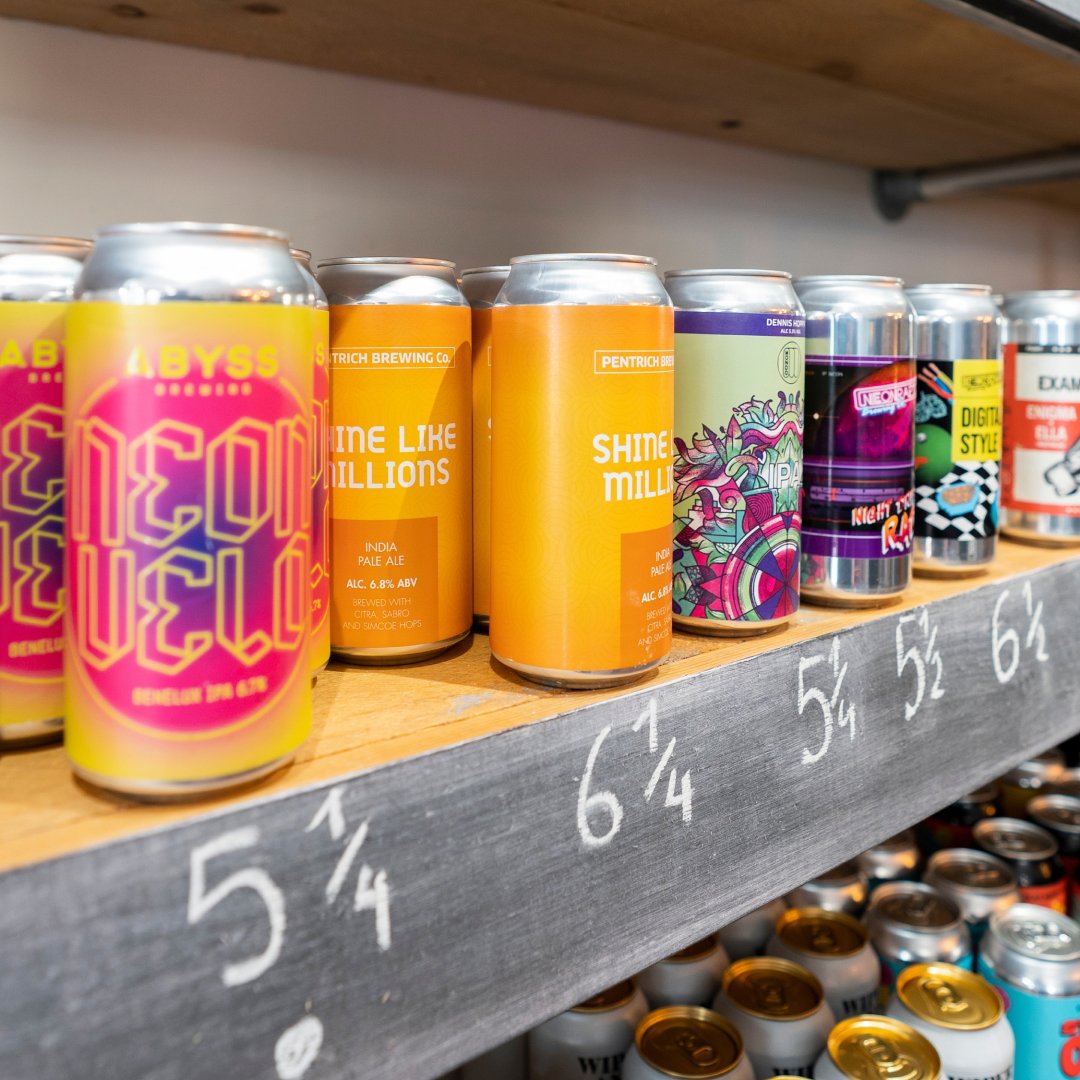
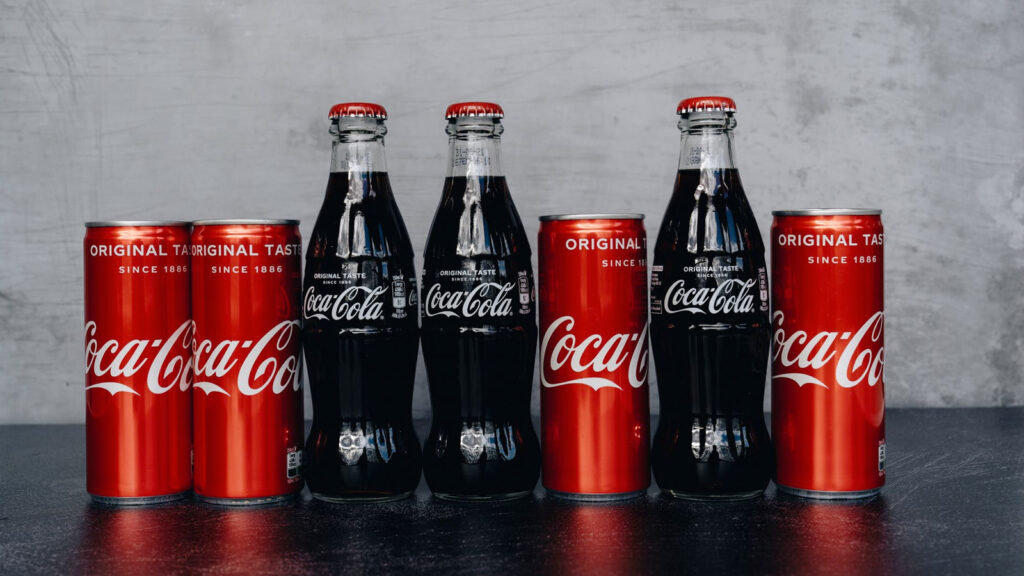
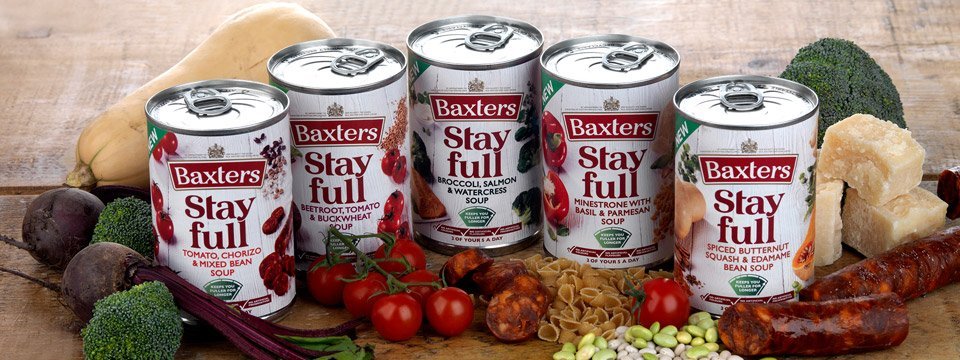
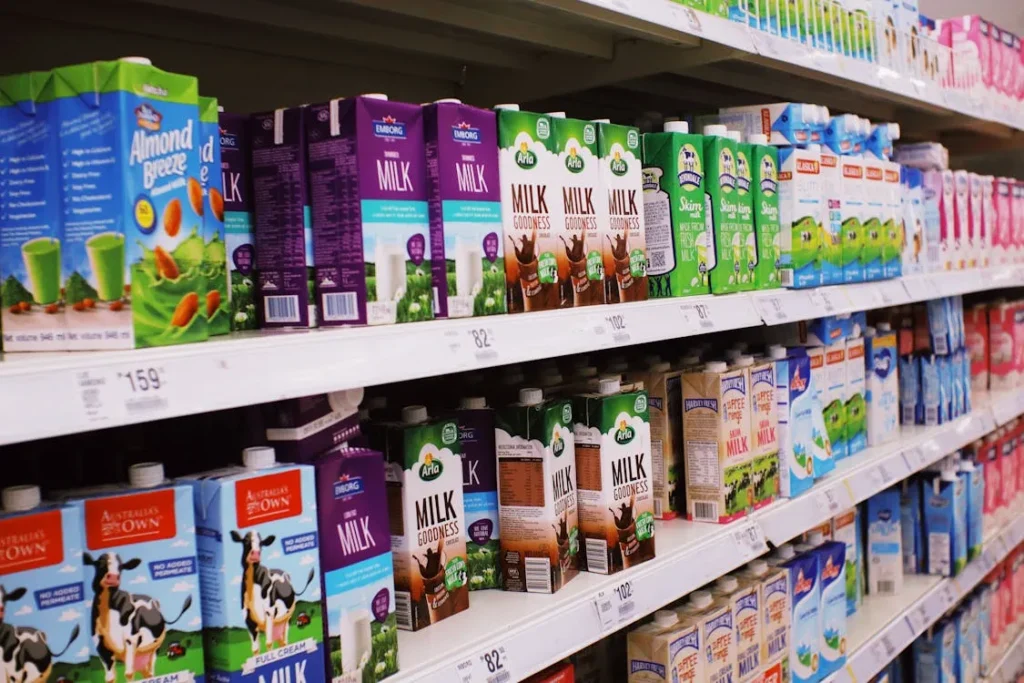
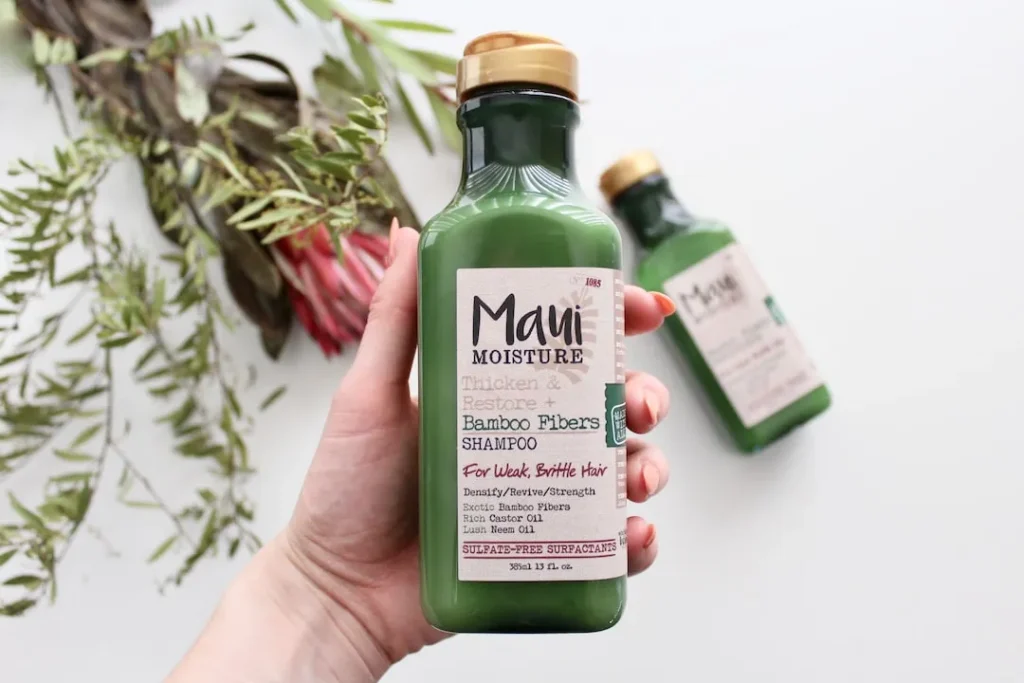
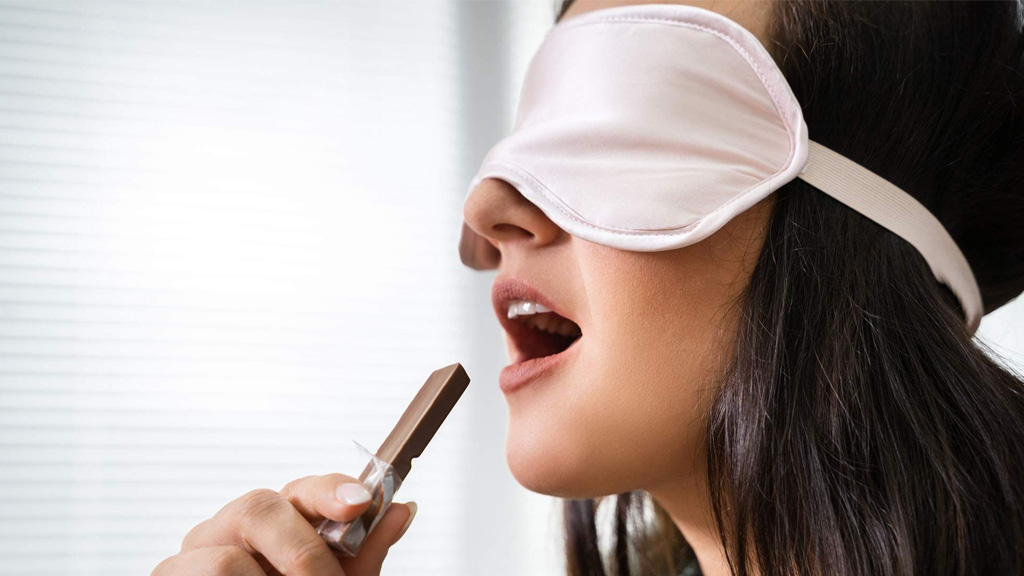
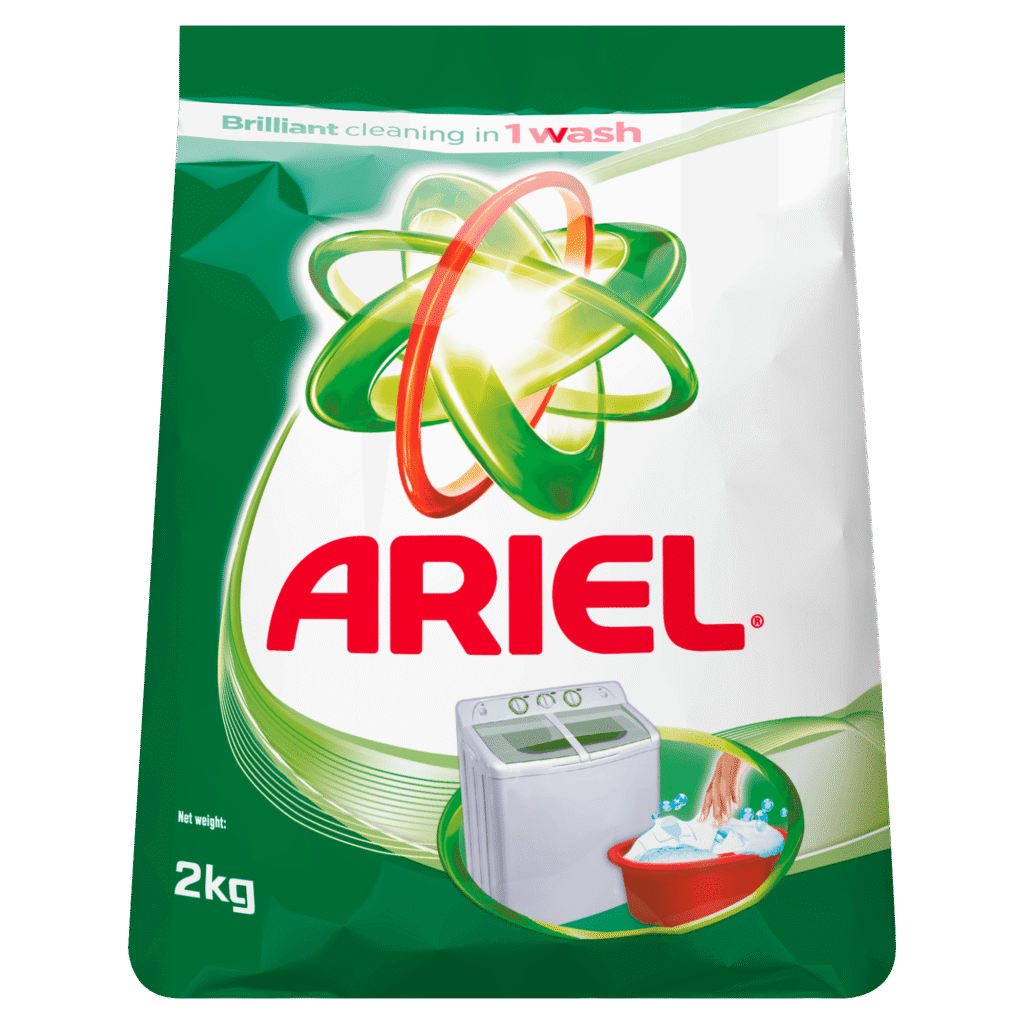
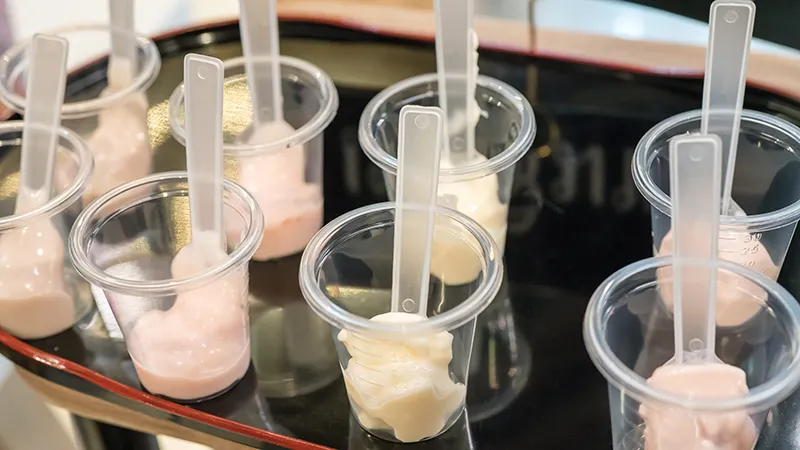
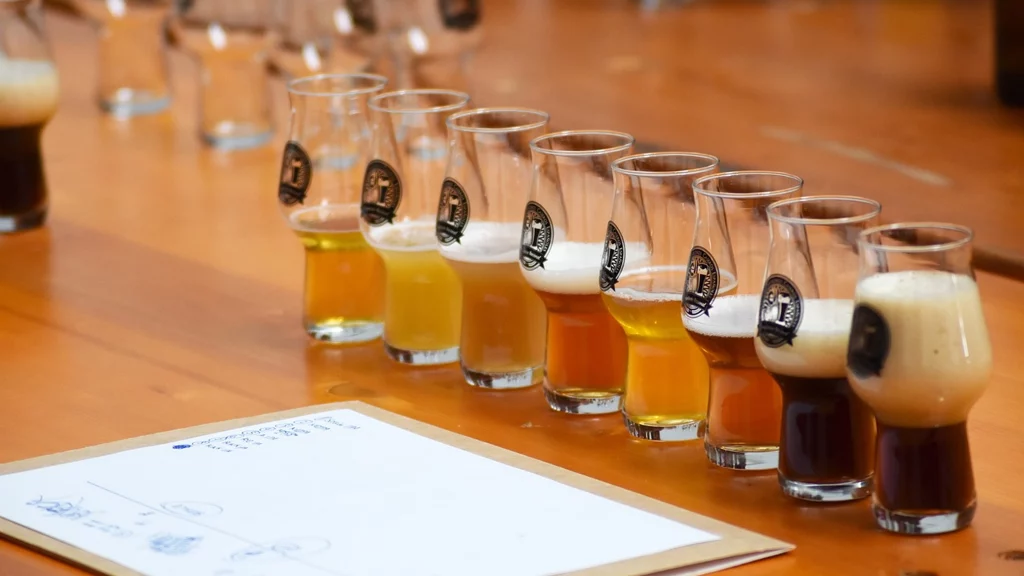
Many of the products we test end up on a shelf, or, next to something else. Shoppers rarely judge a product in isolation. They compare it with the alternative beside it, the cheaper one below it and the familiar one they bought last time.
That’s why product benchmarking, comparing your product with competitors and category leaders, remains one of the most useful pieces of research a food, drink or household brand can commission. As we head towards 2027, we’d argue it matters more than it has for some time.
Shoppers compare more easily than ever
Prices, reviews and alternatives are a few taps away, whether someone is browsing online or standing in the aisle. The effect is that your product is constantly measured against the rest of the category. Knowing how it really stacks up, as opposed to how you hope it does, puts you in a much better position to make decisions.
Budgets keep people switching
When household budgets are under pressure, shoppers trade down, try own-label and move between brands more readily. Loyalty can’t be taken for granted. Benchmarking helps answer a straightforward question: does your product still earn its place and its price in the eyes of consumers?
Own-label has caught up
Retailer brands are no longer assumed to be the poorer option. If a supermarket’s own version is close to your product on taste or performance, it’s far better to learn that from independent research than from a buyer in a listing meeting.
Recipes and packs are always changing
Brands adjust products for many good reasons: cost, supply, sustainability, nutrition. Each change carries a small risk that something consumers valued has shifted. Comparing the new version against the old one, and against competitors, is a sensible way to check you haven’t lost your advantage along the way.
Internal opinion only goes so far
Teams who work on a product every day become very familiar with it, and often have strong views about competitors. That familiarity is valuable, but it isn’t the same as a consumer’s view. Independent benchmarking replaces assumption with evidence from the people who buy the product.
Retailers like evidence
Buyers see many similar new lines. Showing how your product performs against category leaders gives them something concrete to consider. It can also support comparative claims, provided the research is designed around the wording you want to use.
Markets shift quietly
A competitor can improve their recipe, refresh their packaging or launch something new in your space without much fanfare. Without regular comparison, it’s possible to drift behind without noticing. For that reason we see benchmarking as something to revisit periodically, not a one-off exercise.
What good benchmarking tells you
Done well, benchmarking helps you see:
· Where your product leads, and where it trails
· Which differences consumers actually notice, and which they don’t
· What to protect, what to improve and what to leave alone
· How you perform against the competitors that matter most to your category
The aim isn’t simply a ranking. It’s a clear picture of strengths and areas for improvement, so your team can decide what to do next.
Final thought
A product can be well made, well priced and well presented, and still be second choice on the shelf. Benchmarking helps you find that out early, while there’s time to act on it.
If you’d like to talk about how benchmarking could work for your product or category, you can get in touch with our team at wssintl.com.
The day your product testing report arrives tends to bring a strange mix of relief and pressure, because the fieldwork is finally finished and the numbers are in, yet everyone around the table now wants to know what you’re actually going to do about them.
Plenty of brands invest properly in the research itself, recruiting the right consumers and choosing a sensible method, only to let the findings drift into a shared folder where they quietly influence nothing at all.
Getting real value out of product testing means treating the report as the start of a decision rather than the end of a project. If you’re still getting to grips with the basics of how consumer research works, that groundwork is well worth covering first.
However, this piece is about what comes afterwards, when you’ve got results in front of you and a launch, a reformulation or a retailer pitch riding on how you read them. Having the data and then ignoring it leaves you in much the same position as brands that take their chances without any consumer feedback, and they usually find out the hard way once the product is already on shelf.
Reading Your Product Testing Results Beyond the Headline Score
Most people’s eyes go straight to overall liking, and while that headline figure matters, it rarely tells you on its own whether your product is ready, nearly there or in genuine trouble.
A respectable average can hide a split audience where half your target consumers love the product and the other half actively dislike it, which is a very different commercial position from a product everyone finds pleasant but forgettable. Reading your results properly means looking at how scores spread across the sample, how different consumer groups responded and how your product compares with whatever it’ll sit beside on the shelf.
The method behind the numbers also shapes how far you can lean on them, since product tests run in a central venue capture first impressions while studies that put your product into people’s homes reflect repeated use, real preparation and real routines.
A product that dips slightly over a week at home is telling you something a single tasting never could, and the right research partner will explain those nuances in plain terms rather than leaving you to decode a wall of charts on your own.
The Product Testing Findings Worth Acting On First
Working through a report is far easier when you have a rough order of priority, so that the commercially important insights get dealt with before the nice-to-know ones. Whether your study covered a ready meal, a snack or a soft drink or something from the household aisle, these are the areas that usually deserve your attention first:
Attributes consumers rated as too strong, too weak or about right, because these point your development team straight at what needs changing.
Differences between consumer groups, such as heavy and light users, younger and older buyers, or parents and the children actually eating the product.
How your product performed against the market leader or your closest rival, which is exactly what product benchmarking is built to measure.
Purchase intent and price perception, since a product people like but wouldn’t pay for is a pricing problem as much as a recipe one.
Open-ended comments that explain the scores, often in the exact language your marketing team should be using.
Any results strong enough to back up an on-pack or advertising claim.
Packaging and usability feedback, from how easy the product is to open to how well it keeps once it’s been opened.
Turning Product Research Into Your Next Development Decision
Where your results point to a clear weakness, the sensible route is usually to refine the product and test again rather than launching and hoping for the best.
Repeating the research after each round of changes builds a reliable picture of whether you’re genuinely moving in the right direction. That cycle of tweaking and retesting is a big part of why testing products as a regular habit pays off, since each study hands you a benchmark the next one can be measured against.
Strong results deserve to work just as hard for you as weak ones, and an independent report can carry real weight when you’re trying to secure a new retailer listing or reassure a buyer that your product has earned its space. Scores that clearly beat a competitor might also give you the evidence for a substantiated marketing claim, handing shoppers a reason to pick your product up rather than the one next to it.
Some findings will raise questions the original study was never designed to answer, which is often the moment to switch methods rather than simply repeat the same test.
If a product scored well in a one-off tasting but you’re unsure how it’ll hold up week after week, a home use study is the natural next step, and it works for a far wider range of products than many brands expect. Knowing how an in-home study typically runs before you commission one also helps you set realistic timings and brief your own team properly.
Get More Out of Your Next Round of Product Testing
Whether you’ve got a report sitting unread on your desk or a new product heading towards its first round of consumer feedback, a short conversation can help you work out where to go from here.
You can talk through your product and objectives with us in a 20-minute call, and we’ll recommend the right mix of taste testing, home use testing, benchmarking or online research with no sales pitch attached.
We’ve worked with more than 500 brands across food, drink, household and pet products since 1997, and every project we run ends in a report built around prioritised recommendations rather than raw data, so you’ll know exactly where to focus your effort. To book in that call, ring 0151 346 2999 or drop us a line at info@wssintl.com.
Reformulating a product that already sells well is one of the most nerve-racking jobs in food and drink development, because you’re tinkering with something your customers have already decided they like and buy week after week.
Whether you’re cutting sugar, salt or fat to stay on the right side of HFSS rules, swapping an ingredient because a supplier has hiked its prices, or changing a process to make a production line run more efficiently, the commercial goal is usually the same, which is for nobody to notice that anything has changed at all.
Proving that is a lot harder than it sounds, and it’s exactly where home use testing earns its keep. When you put the new recipe into people’s homes and let them live with it for a week or two, you find out whether the change survives normal life rather than a brief, polite sample, which is a point that many of the questions brands ask us about HUT eventually circle back to.
It’s also one of the clearest examples of why home use testing outperforms quicker research methods, since a reformulation that slips past your most loyal buyers unnoticed is worth far more to you than one that simply scores well on the day.
Why a Reformulation Needs Home Use Testing and Not Just a Quick Taste
Your existing customers don’t taste your product once and move on, because they’ve eaten it dozens or even hundreds of times and carry a remarkably precise memory of how it should taste, smell and feel.
A short tasting in a central venue can tell you whether a sample of the new recipe is pleasant, but it can’t really tell you whether someone who’s had the original in their cupboard for years will spot the difference halfway through the second packet, and that’s the moment that decides whether they keep buying. A home use testing study gets far closer to that reality by letting your product slot back into the routine it already occupies.
The real-world setting brings its own complications, of course, and anyone familiar with the key challenges of home use testing will know that compliance, consistent usage and clean data all need careful management when you can’t watch people in person.
With a reformulation, though, those uncontrolled conditions are the whole point, because your new recipe will face exactly the same everyday chaos the day it lands on shelf in the familiar pack at the familiar price.
What In-Home Use Testing Reveals About a New Recipe
Repeated consumption is where most reformulations either hold up or quietly unravel, and it’s something you simply can’t see in a single sitting.
A reduced-sugar cereal might taste fine on day one yet start to feel flat by day five, a lower-salt soup could seem perfectly seasoned in a small pot but disappointing as a full bowl at teatime, and a new sweetener system can leave an aftertaste that only becomes irritating with regular use. Because HUT captures how people genuinely behave with a product over time, those slow-burn problems show up in your data long before they’d ever show up in your sales figures.
Preparation and storage matter just as much as taste, particularly for anything your customers cook, heat or keep in the fridge once opened. A change to a sauce’s thickener might affect how it behaves in a pan on a domestic hob, while a tweak to a frozen product could alter how it crisps in a typical home oven rather than the commercial kit in your development kitchen, and you’ll only discover these things when real people prepare your product their own way.
Reformulation pressure isn’t limited to food and drink either, with household brands constantly reworking fragrances, removing unpopular ingredients or moving to more sustainable formulations. The same logic applies whether you’re testing a new washing-up liquid or a reworked moisturiser or shampoo, because your loyal users will judge the new version against their lived experience of the old one rather than against a blank page.
How to Structure a Home Use Test for a Reformulated Product
Running a reformulation study well takes a slightly different mindset from testing a brand-new product, because you’re usually aiming for parity with something consumers already know rather than chasing outright delight. Most of the good practice that applies to any home use test still holds, but a few areas deserve extra thought when your goal is a change your buyers won’t notice.
Recruiting Current Users for Your Home Use Test
Your sample should lean heavily towards people who already buy and use your product regularly, since they’re the ones whose loyalty is genuinely at risk and the ones best placed to notice a difference.
We screen participants on purchasing behaviour and product usage through our database of more than 10,000 consumer tasters and our dedicated recruitment app, and the same principle holds for home use testing on pet food, where owners whose animals already eat your recipe make by far the most useful testers.
Comparing Old and New Recipes Side by Side at Home
A blind comparison between your current product and the reformulated version, presented in neutral coded packaging so brand cues don’t sway anyone, gives you the cleanest possible read on whether consumers can tell them apart and which one they prefer.
Depending on your objectives, participants might try each version in turn over consecutive weeks or rate both against the same set of attributes, and it’s this kind of real-world comparison that has reshaped how brands approach consumer research over the last few years.
Agreeing What a Successful Result Looks Like
Deciding before fieldwork what counts as a pass saves a lot of internal debate afterwards, whether that’s statistical parity with the original, no meaningful drop in overall liking, or a clear preference for the new version among your core buyers.
Our reports include statistical analysis where appropriate, so when your new recipe holds its own you’ll have the evidence to reassure retailers and your own commercial team, and if it falls short you’ll know exactly which attributes need further optimisation before you go any further.
Reformulate With Confidence Using Home Use Testing
Changing a recipe your customers already love will always carry some risk, but putting the new version through a properly designed home use test takes most of the guesswork out of it and gives you solid evidence long before the reformulated product goes anywhere near a shelf.
We’ve been running HUT studies for food, drink, household and pet brands across the UK and Europe since 1997, with most projects taking around two weeks from commission to report, so the research needn’t hold up your launch timeline.
If you’re planning a reformulation and want to know how your loyal buyers will really react, get in touch with our team on 0151 346 2999 or at info@wssintl.com, and we’ll help you design a study that answers the question that matters most to your brand.
Food and drink moves quickly. New flavours go viral, formats blur, and shoppers come to expect something both familiar and new from the same product. In that environment, knowing what consumers really think of your product is more important than ever, and taste testing is one of the most direct ways to find out.
Taste still comes first
With all the talk of health, sustainability and values, it’s easy to forget the basic point. In one recent large-scale survey of food choices, 40% of respondents said they choose food for flavour above all else. A product can have a strong story and great packaging, but if it doesn’t taste right, shoppers won’t buy it twice.
Novelty and nostalgia at the same time
Flavour forecasters point to a consumer who wants contradictory things. Kerry’s 2026 Taste Charts, for example, describe a landscape that seeks both novelty and nostalgia. That’s a hard balance to strike, and it’s difficult to judge from inside a development team. A flavour that feels bold to your team may feel unremarkable to shoppers, or too unusual for them.
Global buzz can also run ahead of real behaviour. Oatly’s Future of Taste report notes that ingredients such as ube, pandan and hojicha are spreading quickly across drinks menus worldwide, yet in the UK, consumer interest in these flavours is still developing. A trend being talked about doesn’t mean your customers want it. Testing with the right consumers tells you which.
Taste is more than flavour
Modern taste testing looks at the whole eating experience. Innova’s 2026 flavour trends highlight that texture, visual appeal and aroma heighten indulgence and perceived value, and that younger consumers in particular are drawn to visually striking, surprising combinations. Overall liking comes from flavour, texture, appearance, aroma and how a product compares with expectations, so a good test captures all of those, not only whether people “like it”.
What modern taste testing does well
· Uses real consumers. People who actually buy in your category give a more reliable answer than colleagues or friends.
· Separates liking from preference. Knowing that people like a product is useful. Knowing whether they prefer it to the alternative is often what matters commercially.
· Explains the “why”. Scores tell you what happened. Consumer feedback on flavour, texture and aftertaste suggests what to change.
· Catches problems before launch. It is far cheaper to adjust a recipe in development than after a product is on shelf.
· Checks reformulations. Cost, supply, nutrition and sustainability pressures mean recipes change often. Testing confirms the change hasn’t cost you what shoppers valued.
· Supports decisions. Independent evidence helps align internal teams and gives retail buyers something concrete.
Getting the most from a test
A few habits make a big difference:
1. Start with a clear question. “Do consumers prefer the new recipe?” and “Does it match the original?” need different designs.
2. Test the right people. Your sample should reflect who actually buys the product.
3. Send representative samples. Test products that reflect what will really reach shoppers.
4. Compare where it matters. Include the competitors or previous version your shoppers genuinely weigh you against.
5. Decide in advance what you’ll do with the answer. Research is most useful when the next step is already on the table.
Final thought
Trends will keep changing, but the question underneath stays the same: will people enjoy this enough to buy it again? Taste testing is how you move from assuming the answer to knowing it.
If you’re planning a launch, a reformulation or a comparison with a competitor, our team at Wirral Sensory Services would be happy to talk through the right approach. You can start the conversation with us here.
Moving your product into more sustainable packaging is one of those decisions that feels straightforward in the boardroom, because the environmental case is strong, the regulatory pressure keeps building and your retailers are asking the same questions as your customers.
What gets far less attention is how your shoppers will actually react when the pack they’ve been reaching for over the years suddenly looks, feels and behaves differently, whether that’s a glossy plastic tub becoming a matt paper-based carton or a rigid bottle giving way to a flexible refill pouch.
Packaging research gives you a way to answer that question before your new format goes anywhere near a shelf, which is why so many brands now bring packaging research into their sustainability plans at the same time as they start talking to suppliers, not after the artwork has been signed off.
Getting the switch right means your customers notice the improvement, trust it and keep buying, and that’s ultimately what separates a genuine win from an expensive change that nobody asked for.
Why Sustainable Packaging Changes Need Packaging Research
Your loyal customers tend to recognise your product by its shape, colour, and feel long before they read a single word on the front, so swapping to a new material can strip away the cues they rely on to find you in a busy aisle. Even a change that looks subtle to your design team can leave a regular shopper scanning straight past you, which is the same pattern that sits behind some of the most costly redesign mistakes brands have made over the years.
Sustainable formats also raise a set of practical questions that rarely come up with a like-for-like redesign, including whether a paper-based pack protects the product as well, whether a lighter bottle feels cheaper in the hand, and whether your customers really understand how to recycle it. Putting those questions to real consumers early allows you to quickly spot problems while they’re still cheap to fix.
What Packaging Research Reveals About How Shoppers See Eco Packs
Consumer research on sustainable packaging often throws up findings that surprise brand teams, largely because the things shoppers associate with being environmentally friendly don’t always match what’s genuinely better for the planet. A kraft-paper finish, muted earthy tones and plenty of green can signal sustainability at a glance even when the material is harder to recycle than the plastic it replaced, and the colours you choose for your pack do a lot of the heavy lifting in shaping that first impression.
Perceived quality is the other area to watch closely, because materials that feel thinner or less rigid can lead your shoppers to assume the product inside has been cheapened too. Your packaging research team should be measuring purchase intent, perceived value and premium cues alongside environmental credentials, since a pack that scores well on sustainability but loses ground on quality is unlikely to deliver the commercial result you’re after.
Standout deserves the same level of scrutiny, and the aim is to see how your new pack performs against the specific competitors it’ll sit beside in store, not as a standalone image on a screen. Testing across the wider factors that shape how a pack performs on shelf gives you a rounded view of whether the switch is helping your brand or holding it back.
Planning Packaging Research Around Your Sustainable Switch
The most useful studies are built around the specific change you’re making and the decision you need to take once the results come back, whether that’s choosing between two new materials or confirming that your preferred option won’t cost you sales.
Depending on your brief, the approach might combine an online survey using high-quality pack images with a central location test where shoppers handle the physical packs, and each research methodology brings its own strengths to a project like this.
Packaging Research That Benchmarks the New Pack Against the Old
Running your existing packaging alongside the sustainable alternative gives you a clean benchmark, so you can see exactly where the new format gains or loses ground on recognition, appeal and purchase intent.
Using Packaging Research to Test Your Green Claims
Any environmental message on your pack needs to be clear, accurate and believable, particularly now that UK regulators such as the Competition and Markets Authority are paying much closer attention to vague or exaggerated green claims.
Packaging research can show you whether shoppers understand phrases like “widely recyclable” or “made with recycled content”, whether they believe them and whether your recycling instructions actually make sense, while claim support research helps you build the consumer evidence to stand behind those statements.
Talk to Our Team About Packaging Research for Your Next Switch
Moving to more sustainable packaging is a big step for any brand, and you’ll want the confidence that your customers are coming with you before the new format rolls out across your range. We’ve spent nearly three decades helping food, drink, household and pet brands understand how consumers respond to their products and packs, and you can find out more about our team and how we work or explore the full range of consumer research services we offer alongside packaging testing.
Most of our packaging research projects run to around two weeks from briefing to report, and you’ll come away with clear recommendations your team can act on straight away. Whether you’re planning a switch for a single SKU or your whole range, drop us a line and we’ll happily talk your brief through informally, or you can call us on +44 (0)151 346 2999 or email info@wssintl.com.
Once you’ve found a taste testing company you’re comfortable working with, the preparation that happens on your side before a single consumer picks up a fork has more influence on your results than most brands expect.
A clear brief, consistent samples and a sharp picture of who your product is really for give the research team everything they need to design a study around your decision, and that groundwork is often what separates taste testing that moves your product forward from a report that gets filed away and forgotten.
The same holds true whether you’re a start-up commissioning your first study with a taste testing company or an established brand that puts products in front of consumers every quarter.
Why Your Preparation Matters to Your Taste Testing Company
Every decision the research team makes, from the test design they recommend to the consumers they recruit, is shaped by the information you hand over at the start, so gaps in your brief tend to resurface later as gaps in your findings. You’ll have weighed up panel quality and methodology when choosing your taste testing partner, and those strengths only really come through when the team is able to fully understand what you need to learn.
Good preparation also keeps your project moving, because the most capable taste testing companies can recruit and run fieldwork quickly once a brief is locked down, but they can’t make up for samples that arrive late or objectives that change halfway through. Getting your side in order early means you get the full benefit of that speed.
What to Prepare Before Briefing a Taste Testing Company
Most of the groundwork comes down to three areas, and spending an afternoon pulling them together with your development and commercial teams will make your first conversation with the research team far more productive. It also puts you on a firmer footing when you come to use the findings as part of your wider taste testing market research or share them with retail buyers.
Pin Down the Decision You Need to Make
Your brief should open with the choice the results will inform, whether that’s picking between two recipes, checking that a cheaper ingredient won’t be noticed or seeing how you measure up against a market leader, since each question calls for a different test design at a different point in your product development process.
Keep Your Samples Consistent
Your samples need to come from batches that genuinely represent what shoppers will buy, supplied with clear storage, preparation and serving instructions, because a product that’s cooked, chilled or poured differently from one session to the next can easily skew your scores.
Describe Your Target Consumer in Detail
The more precisely you define who buys your product, from age and household make-up to shopping habits and dietary preferences, the more closely the panel will reflect your real market, which matters all the more given how heavily taste shapes whether shoppers come back for more.
Making the Most of Your Taste Testing Results
When fieldwork wraps up, you’ll typically receive a report that sets out your scores, highlights statistically significant differences and recommends where to go next, and it pays to get your development, marketing and commercial people in the same room to work through it together. Findings that leave you wondering why consumers favoured one sample, such as a flavour note or texture that divides opinion, can often be explored in more depth by pairing taste testing with sensory profiling.
Plenty of brands find that their first project with a taste testing company develops into a longer relationship, as each new study builds on the benchmarks and consumer understanding gathered the time before. That continuity is a big part of why specialist taste testing support tends to pay for itself across several launches.
Planning Your Next Project With Our Taste Testing Company
You don’t need a polished brief before you speak to us, because a short conversation about your product, your timescales and the decision you’re facing is usually enough for our team to suggest the right approach. We recruit from a database of more than 10,000 food and drink tasters and have been running consumer research from our base on the Wirral since 1997, so we can match your target audience quickly and turn most projects around in roughly two weeks.
If you’ve got a product approaching the testing stage, send us a few details about it and we’ll get back to you to talk through the best way forward, or you can call +44 (0)151 346 2999 if you’d prefer an informal chat first.
Most of the conversations we have about product concept testing start in roughly the same place, with a brand that already has a promising idea and wants to know whether it’s worth committing real money to.
That instinct is the right one, but the question of when to test, and what you can sensibly expect an answer to at that stage, gets far less attention than it deserves.
Run the research too early and you’re asking consumers to react to something too vague to judge, run it too late and you’ve already spent the budget that the test was supposed to protect.
Getting the timing right is what turns concept testing from a box-ticking exercise into something that genuinely shapes where your development goes next.
What Product Concept Testing Actually Measures
It helps to be precise about what this kind of research is really looking at, because product concept testing is often spoken about as though it measures the finished product, when in fact it measures the idea of the product.
At the concept stage you’re putting a proposition in front of your target audience, a description, a positioning, a rough visual or a mock-up, and gauging whether the underlying idea lands before a single batch has been produced.
You’re trying to learn whether people understand what you’re offering, whether it appeals to them, whether it feels relevant to their lives, and whether they’d consider buying it if it existed on a shelf in front of them.
What it deliberately doesn’t measure is the sensory reality of the thing, and that distinction matters enormously. A concept can test brilliantly and still fail later if the actual taste, texture or performance doesn’t live up to the promise, which is exactly why concept work sits at the front of a longer research process rather than standing in for the whole of it.
Knowing that boundary up front stops you from over-reading the results and treating an enthusiastic concept score as a guarantee the finished article will fly, which is one of the quieter ways that concept research can end up steering development in the wrong direction when its findings are misread.
The Right Moment to Run Product Concept Testing
The most useful window for this research opens once your idea is defined clearly enough to describe, yet before you’ve sunk serious money into formulation, tooling, packaging artwork or production runs.
There are a few signs that you’ve reached that moment, and it’s worth recognising them rather than drifting past:
You can articulate the concept in a sentence or two that a typical consumer would understand without you in the room to explain it.
You have at least a rough sense of the positioning, the audience, and the price bracket you’re aiming at.
You’re weighing up two or more directions and need evidence to choose between them rather than a gut feeling.
You’re about to commit budget that would genuinely hurt to waste if the concept turned out to be flawed.
If you can tick most of those, you’re in good shape to test. If you can’t yet describe the idea cleanly, the honest answer is usually that the concept needs a little more shaping before research will tell you anything reliable, and it’s one of the questions we field most often from brands who are keen to get going before their idea has fully settled.
Testing Several Concepts Against One Another
One of the more valuable ways to use this research is comparatively, because a single concept tested in isolation tells you whether people like it, whereas several concepts tested side by side tell you which one to back.
When you’re sitting on a handful of plausible directions, putting them in front of the same representative audience and measuring them against consistent criteria takes a great deal of the guesswork out of a decision that would otherwise come down to whoever argues hardest in the room.
This comparative approach also surfaces the reasons behind a preference, not just the preference itself, and those reasons are often where the real value lies.
Understanding why one concept pulls ahead, whether it’s clearer, more relevant, better priced in the consumer’s eyes or simply more appealing, gives you something you can act on as you develop the winning idea further, rather than a bare ranking with no explanation attached.
How to Brief Product Concept Testing So the Results Are Usable
A concept test is only ever as good as the concept you put into it, and a vague or overloaded brief is one of the more common mistakes that leave the findings coming back muddy. If the description you show consumers is cluttered with three different ideas at once, you won’t know which element drove their reaction, so it pays to keep each concept clean and distinct.
Equally, the way you frame a concept can quietly bias the response, and an overly salesy description tends to produce polite enthusiasm that evaporates the moment real money is involved.
The audience matters just as much as the concept itself. Showing a clever idea to the wrong people produces a confident answer to the wrong question, which is worse than no answer at all, so defining who you’re actually targeting and recruiting a genuinely representative sample is non-negotiable.
We spend a good deal of time at the briefing stage making sure the concept is presented neutrally and the sample reflects the real market, because that groundwork is what separates research you can build on from research you’ll quietly ignore.
What Comes After the Product Concept Stage
A strong concept result isn’t the finish line, it’s permission to move forward with confidence into the parts of development where the product becomes real.
Once an idea has proven it resonates, the focus shifts to whether the actual product can deliver on the promise the concept made, and that’s where taste testing, sensory profiling, home use testing, and the rest of the toolkit come into play.
Treating concept testing as the opening move in that sequence, rather than a standalone verdict, is what gives the whole development process its momentum and keeps each stage building on solid evidence rather than hope.
Talk to Us About Product Concept Testing
If you’ve got an idea you believe in and want to know whether your target market sees it the same way before you commit to full development, we’d be glad to help you plan the right research around it.
We work with startups and global brands alike, across food, drink, household, personal care and pet products, and we’ll help you test your concept at the point where the findings can still shape the outcome.
We would love to hear about any upcoming projects, big or small, either for an informal chat or a full briefing. We’re available on +44 (0)151 346 2999 or email info@wssintl.com.
Ask most brands when they should run a home use test and the honest answer they give is usually “as soon as the product’s ready.” That makes perfect sense from a development point of view, because nobody wants to sit on a finished formulation waiting for the calendar to catch up.
What often gets overlooked, though, is that the time of year you put a product into people’s homes can quietly shape the feedback you get back, sometimes in ways that flatter a product and sometimes in ways that punish it unfairly.
The whole point of home use testing is that it captures how a product performs in the real world rather than under the artificial conditions of a lab or a central venue. That’s its great strength.
The flip side is that the real world has weather, and habits, and a rhythm to the year, and all of those things come along for the ride when a consumer tests your product over a fortnight in their own kitchen, bathroom or living room.
Understanding how the seasons feed into that picture helps you read your results properly and, just as importantly, plan your testing so the conditions work for you rather than against you.
The Way People Live Changes With the Calendar
Consumer behaviour isn’t static across the year, and the differences are bigger than most people assume. In the depths of winter, households are warmer, wetter and busier indoors, comfort food does well, hot drinks get made constantly, and anything to do with heating, lighting or staying cosy gets used far more heavily than it would in July.
Come summer, the same household is firing up the barbecue, reaching for cold drinks and ice cream, spending more time outdoors, and quietly shelving half the products that felt essential a few months earlier.
None of this is news to anyone who’s ever lived through a British year, but it has real consequences for product testing. When a household’s whole rhythm shifts with the weather, the enthusiasm they bring to any given product shifts with it, and a result can end up flattering or punishing a product for reasons that have nothing to do with the quality of what you’ve made.
How Seasonal Habits Quietly Influence the Scores
It isn’t only appetite that moves with the seasons. The way people actually use a product changes too, and home use testing is precisely the method that exposes those usage patterns rather than the tidy version consumers might report in a questionnaire.
When you understand which seasonal forces are in play during your test window, you’re in a far stronger position to separate the signal from the noise, and to know whether a lukewarm result reflects a genuine weakness in the product or simply the wrong product in the wrong month. A few categories show this especially clearly.
Home Use Testing for Food and Drink Products
Appetite is the most obvious seasonal lever of all. A rich, warming soup placed into homes during a July heatwave is being judged in exactly the conditions where people least want to eat it, and a refreshing iced drink tested in January faces the same problem in reverse.
The product hasn’t changed, but the appetite for it has, and that shift can drag scores in a direction that has nothing to do with the quality of what you’ve made.
Testing Personal Care Products in Real Conditions
The conditions a product meets on the skin shift dramatically through the year, and that feeds straight into how people rate it. A moisturiser tested in winter gets applied to dry, central-heating-parched skin and may well be rated as a godsend, whereas the same moisturiser handed out in humid August might feel heavy and unnecessary to the same person.
Cleaning products see muddy boots and wet dogs in the colder months and grass stains and sun cream in the warmer ones.
Even something as simple as a scented candle or an air freshener lands differently depending on whether windows are flung open all day or sealed shut against the cold, so the same fragrance can read as pleasant and present in winter yet faint and forgettable in summer.
Matching Home Use Testing to the Product’s Real Moment
The sensible response to all of this isn’t to panic about the weather, it’s to build seasonality into the plan from the start. Wherever it’s practical, a product is best tested in the season it’s actually built for, because that’s the moment of truth that matters commercially.
If your product will live or die during the Christmas trade, testing it in the autumn run-up gives you feedback grounded in the mindset consumers will genuinely be in when they buy it, and the same logic applies to a summer launch tested in late spring.
This is one of the areas where planning your research around the product’s real moment makes a tangible difference to how confidently you can act on the findings, which is why timing tends to come up early whenever we’re talking through launch decisions with a brand.
Getting a product into homes at the right point in the year means the data you collect maps cleanly onto the conditions it’ll face on the shelf, so when the results say consumers loved it, you can trust that they’ll love it just as much when it actually goes on sale.
When Off-Season Testing Is Exactly What You Want
There’s an important exception worth flagging, because sometimes the off-season is precisely where you need to be. If you’re developing a product specifically to break the seasonal mould, an ice cream meant to sell year-round, say, or a hot beverage you want people drinking in summer, then testing it against the grain is the whole point.
You actively want to know whether it can win people over in the conditions where the category usually struggles, and a home use test run at the “wrong” time of year answers exactly that question.
The same applies when you’re stress-testing a claim about versatility or all-year appeal. There’s no sense in proving a product performs beautifully in its comfort zone if your marketing is going to promise something broader, and putting it through its paces out of season gives you honest evidence one way or the other.
Seasonality doesn’t stop at products meant for people, either. Pet owners change their routines across the year just as much as anyone else, walking dogs in very different conditions, adjusting feeding habits as activity levels rise and fall, and dealing with everything from muddy winter paws to summer appetite dips.
Running home use testing on pet products with these seasonal rhythms in mind gives a far truer reading of how a food, treat or product fits into an animal’s life across the months, rather than capturing a single artificial snapshot that may not hold up once the weather turns.
Planning Your Next Home Use Test
Seasonality is one of those factors that’s easy to ignore right up until it skews a set of results and leaves you second-guessing a perfectly good product. The good news is that it’s entirely manageable once it’s on your radar, and a little forethought about when to place your product into homes can be the difference between data you can act on with confidence and data you end up quietly setting aside.
If you’re weighing up a home use test and want to get the timing right for your particular product, we’d be glad to talk it through. We run projects across the UK and Europe, for food, drink, household, personal care and pet products alike, and we’ll help you build a study that accounts for the season rather than getting caught out by it.
Most conversations about packaging research start and end with whether the design looks good, which is a reasonable place to begin but a frustrating place to stop.
Visual appeal matters, of course, but it sits alongside several other dimensions that quietly determine whether your pack actually performs once it lands on a shelf or in a customer’s home, and ignoring those dimensions is how design decisions that look strong in a meeting room end up underperforming in the real world.
The brands that get the most from packaging research treat it as a multi-layered question rather than a single yes-or-no on aesthetics. They use it to interrogate how the pack functions, how clearly it communicates, how it sits within their wider range, and how it holds up across the moments that matter, from the supermarket aisle to the kitchen cupboard a week later.
This piece is about what well-designed packaging research can actually tell you when the brief goes beyond surface preference, and why broadening that brief tends to be where the commercial value lives.
What Packaging Research Should Be Measuring
Before commissioning a study, it helps to map the dimensions you actually want answers on, because a brief built around general appeal tends to produce general findings. The dimensions worth considering usually include:
Shelf standout: whether your pack draws attention within the cluttered context of competing products rather than in isolation on a presentation slide.
Comprehension and information hierarchy: whether shoppers can quickly identify what the product is, what variant they are looking at, and what makes it different.
Claim visibility and credibility: whether the messages you have invested in actually register and feel believable rather than getting lost in the design.
Functional usability: whether the pack is straightforward to open, store, dispense from, and reseal across repeated use.
Premium or value signalling: whether the pack supports the price position you are aiming for rather than working against it.
Range coherence: whether multiple SKUs read as a family while still allowing variants to differentiate clearly.
Each of these can be tested, and each tends to surface different findings, so being explicit about which ones matter most for your project is the first step toward research that genuinely helps you decide.
Why Shelf Standout Is Not the Same as Visual Appeal
A pack can look beautiful when reviewed at A3 size on a screen and still disappear on a shelf full of competitors, which is a pattern that catches even experienced teams off guard. The reason is that standout is contextual, not absolute, and a design only works if it earns attention against the specific neighbours it will sit beside in store.
This is one of the dimensions where methodology choice really shapes what you learn. Online preference work tells you which design people prefer in isolation, while shelf-based testing tells you which one a shopper actually reaches for when surrounded by familiar incumbents, and those two answers are often different. The team behind your packaging research should be able to talk through the methodology trade-offs honestly rather than defaulting to whichever approach is easiest to deliver.
The other point worth making is that standout is not always about being the loudest pack in the category. Sometimes a quieter, more confident design earns attention precisely because it does not try to compete on the same visual register as everyone else, which is the kind of insight you only get when the research is set up to capture comparative behaviour rather than abstract preference.
Comprehension, Hierarchy, and the Information Layer
Visual design is one half of the story. The other half is whether shoppers can extract the information they need within the few seconds your pack actually has to make its case, and that depends on how the design hierarchy is constructed rather than how attractive the individual elements are.
What Comprehension Testing Reveals
Research framed around comprehension can show you whether the variant cue is doing its job, whether the format is clear at a glance, and whether key claims are landing or being skipped over entirely. Shoppers asked to describe what they are looking at often reveal gaps that the design team had assumed were obvious, which is exactly the kind of finding that changes how a pack performs once it goes live.
Where the Colour Question Fits
Colour plays a significant role here, both as an attention driver and as a comprehension cue, particularly within ranges where consumers rely on colour to identify their preferred variant. There is real value in understanding how colour choices influence perception within your specific category, but colour rarely operates in isolation from the rest of the design system, so it is worth testing in context rather than as a standalone variable.
How Functional Performance Influences Repeat Purchase
Packaging research that stops at the shelf moment misses a significant part of the picture, because the experience of actually using the pack at home shapes whether someone buys it a second time. A jar that is awkward to open, a pouch that does not reseal properly, or a bottle that is hard to pour from without making a mess can all undermine an otherwise positive product experience.
These usability factors are exactly the kind of thing that single-session research struggles to capture, which is why home use testing often complements shelf-based studies when functional performance matters. The findings can also surface unexpected issues, such as packs that perform well across a single use but become frustrating after several days of repeated handling, and those patterns are difficult to anticipate without giving consumers time to live with the product properly.
Why Quantifying the Impact of Pack Changes Matters
When you are evaluating a redesign rather than developing an entirely new pack, the question shifts from whether the design works to whether it works better than what you currently have. That comparison needs to be set up carefully, because brand recognition is itself a valuable asset, and a more attractive pack that loses some of that recognition can easily produce worse commercial outcomes than the version it replaced.
Research designed to quantify the impact of packaging changes helps you weigh aesthetic improvements against potential recognition losses, so you are making the trade-off with evidence rather than instinct. The history of high-profile redesigns includes plenty of cases where the new pack scored better in isolation but performed worse on shelf because loyal shoppers struggled to find the brand they had been buying for years.
The Tropicana redesign is the example most people reach for when discussing this, partly because the costs of getting the trade-off wrong were so visible, but the underlying lesson applies to any established brand considering a meaningful pack change. Recognition is part of what your packaging is doing for you, and research that ignores it can make the redesign look stronger on paper than it will perform in practice.
Briefing Your Packaging Research for Useful Findings
Across all of this, the single biggest determinant of whether your research produces useful findings is the clarity of the brief. A study designed to answer “do consumers like this pack?” will deliver an answer to that question, but it will not tell you whether the pack will outperform competitors on shelf, whether the claim hierarchy is working, or whether the redesign is genuinely worth the investment of changing artwork and resetting production.
Defining what success actually looks like for your specific project, and which of the dimensions above matter most for that success, is the work that needs to happen before any consumer ever sees the design. Done well, that briefing conversation usually shapes the rest of the project for the better, and the resulting findings tend to connect cleanly to the decisions you actually need to make rather than sitting in a report that nobody quite knows how to act on.
Talk to Wirral Sensory Services About Your Next Packaging Brief
Packaging research delivers the most value when the questions are sharp, the methodology fits the questions, and the analysis connects back to the commercial choices on your desk. Getting that combination right is genuinely a craft, and the experience of the team running the project shows up directly in how usable the findings turn out to be.
We have spent the best part of three decades helping brands work through packaging decisions of every scale, from single-SKU launches with major retailers to range-wide redesigns where recognition and coherence both matter.
If you have a project on the horizon, or you are still working out what the brief should actually look like, we are happy to talk it through informally before anything is committed. You can reach the team on +44 (0)151 346 2999 or by email at info@wssintl.com.
You have decided your product needs proper consumer feedback before launch, which means you are now looking at taste testing companies and trying to work out which one deserves the brief. The websites tend to sound similar, the case studies all look credible, and the pricing varies enough to make direct comparisons awkward rather than straightforward.
The choice matters more than it might first appear, because the company you commission shapes the quality of the insights you eventually act on. Methodology that looks adequate on paper but breaks down in execution produces data that misleads your decisions, which is arguably worse than running no research at all.
Most coverage of this topic explains why you should commission a taste testing company in the first place. This piece focuses on what genuinely separates the strong providers from the average ones, so you can move from a long shortlist to a confident decision with less guesswork.
Why the Choice of Taste Testing Company Shapes Your Commercial Outcomes
The reason this decision deserves real attention is that taste testing rarely sits in isolation. The findings feed directly into formulation choices, retailer presentations, marketing claims, and launch confidence, which means weak research has knock-on effects across the rest of your development process.
Brands often discover the gap between providers only after a project has finished, when the report arrives and either reads as a list of obvious observations or fails to support the decisions the business actually needs to make. By that point the budget is spent and the timeline has moved on, so identifying the right partner up front is genuinely worth the effort.
There is a useful framing here, which is that you are not really buying a taste test. You are buying the quality of decision you can make afterwards, and that quality depends on factors the website summary often glosses over.
What to Look for in a Taste Testing Company
Several criteria reliably separate the providers worth shortlisting from the ones who will simply run a session and hand over a deck. None of these are unreasonable to ask about during your initial conversations, and the answers tend to be revealing.
Panel Quality and Recruitment Precision
The single biggest determinant of useful results is whether the people tasting your product genuinely match your target market. A well-run taste testing service maintains an active database of panellists with detailed demographic, behavioural, and category usage data, which means recruitment for your specific audience can happen quickly and accurately rather than approximately.
It is worth asking how panels are recruited, how often individuals participate, and whether screening goes beyond age and gender into actual purchasing habits within your category. Generalist market research firms sometimes recruit on demand from broad consumer pools, which works for some research types but tends to weaken sensory work where genuine category familiarity matters.
Methodology Expertise Across Different Test Designs
Taste testing is not a single method but a family of approaches with different applications. Sequential monadic, paired comparison, repeat paired comparison, and central location testing all have appropriate use cases, and choosing the wrong design for your question produces results that look credible but answer something other than what you asked.
A capable provider will recommend a methodology based on your specific objective rather than defaulting to whatever they run most often. If the conversation about test design feels generic at the briefing stage, the eventual report is likely to feel the same way when it lands on your desk.
Sector Experience in Your Specific Category
Generic experience across food and beverage is helpful, but category-specific experience tends to produce sharper findings. A team that has run dozens of studies on dairy, ready meals, or confectionery understands the variables that affect perception within your category, including preparation conditions, serving temperatures, and the attributes consumers actually use to differentiate products.
This kind of category fluency shows up in the briefing conversation. Specialists ask sharper questions, anticipate edge cases, and connect your study to the wider role taste plays in driving repeat purchase rather than treating your project as an isolated clean-room exercise.
Statistical Rigour in Analysis and Reporting
The report you receive should do more than summarise responses. It needs to identify statistically significant differences, flag where sample sizes constrain confidence, and translate findings into recommendations that connect to commercial decisions rather than reading as a neutral data dump.
Reports that simply list scores and percentages without statistical context are easy to produce and difficult to act on. The most experienced taste testing firms build analysis that helps you decide what to do next, which is the entire point of commissioning the work in the first place.
Questions Worth Asking Before You Commit
Initial conversations often stay polite and high level, which is fine, but a handful of direct questions can quickly reveal whether a provider operates with the depth you need:
How would you recruit for our specific target consumer, and what screening criteria would you apply?
Which methodology would you recommend for this objective, and why over the alternatives?
What does the deliverable include beyond the headline findings, and how is statistical significance handled?
How do you handle product preparation and presentation to control for variables that could distort responses?
What other research services do you offer that might complement taste testing for our wider objectives?
Providers that answer these questions clearly and specifically tend to deliver clearly and specifically. Vague answers, in our experience, tend to predict vague reports.
The other consideration worth weighing is whether you want a one-off transaction or an ongoing relationship. Both have their place, but brands that develop continuously tend to extract more value from a partner who already understands their products, their audience, and their commercial priorities.
A provider you have worked with before knows your category benchmarks, your previous results, and the questions that matter to your team, which compresses briefing time and improves the relevance of every subsequent project. This is part of what makes specialist providers different from generalist agencies who treat each engagement as a fresh start.
That ongoing context also helps when taste testing feeds into broader development decisions, because the research is being interpreted by people who already understand where each project sits within your wider product strategy and what success actually looks like for your business.
Make a Confident Choice with Wirral Sensory Services
The criteria above are not exhaustive, but they cover the factors that most reliably separate providers who deliver commercial value from those who simply complete the brief. Asking about them early in your selection process tends to produce shortlists you can trust rather than ones you spend weeks second-guessing.
At Wirral Sensory Services, we have been working with food and beverage brands on taste testing market research since 1997, building the panel infrastructure, methodology expertise, and category experience that make the difference between adequate findings and genuinely useful ones.
Whether you are commissioning your first study or reviewing your current research arrangements, our team can talk you through what a well-designed programme might look like for your specific objectives.
If you want to discuss an upcoming project or simply explore what good looks like in this space, call us on +44 (0)151 346 2999 or email info@wssintl.com.