
Most conversations about packaging research start and end with whether the design looks good, which is a reasonable place to begin but a frustrating place to stop.
Visual appeal matters, of course, but it sits alongside several other dimensions that quietly determine whether your pack actually performs once it lands on a shelf or in a customer’s home, and ignoring those dimensions is how design decisions that look strong in a meeting room end up underperforming in the real world.
The brands that get the most from packaging research treat it as a multi-layered question rather than a single yes-or-no on aesthetics. They use it to interrogate how the pack functions, how clearly it communicates, how it sits within their wider range, and how it holds up across the moments that matter, from the supermarket aisle to the kitchen cupboard a week later.
This piece is about what well-designed packaging research can actually tell you when the brief goes beyond surface preference, and why broadening that brief tends to be where the commercial value lives.
What Packaging Research Should Be Measuring
Before commissioning a study, it helps to map the dimensions you actually want answers on, because a brief built around general appeal tends to produce general findings. The dimensions worth considering usually include:
- Shelf standout: whether your pack draws attention within the cluttered context of competing products rather than in isolation on a presentation slide.
- Comprehension and information hierarchy: whether shoppers can quickly identify what the product is, what variant they are looking at, and what makes it different.
- Claim visibility and credibility: whether the messages you have invested in actually register and feel believable rather than getting lost in the design.
- Functional usability: whether the pack is straightforward to open, store, dispense from, and reseal across repeated use.
- Premium or value signalling: whether the pack supports the price position you are aiming for rather than working against it.
- Range coherence: whether multiple SKUs read as a family while still allowing variants to differentiate clearly.
Each of these can be tested, and each tends to surface different findings, so being explicit about which ones matter most for your project is the first step toward research that genuinely helps you decide.
Why Shelf Standout Is Not the Same as Visual Appeal
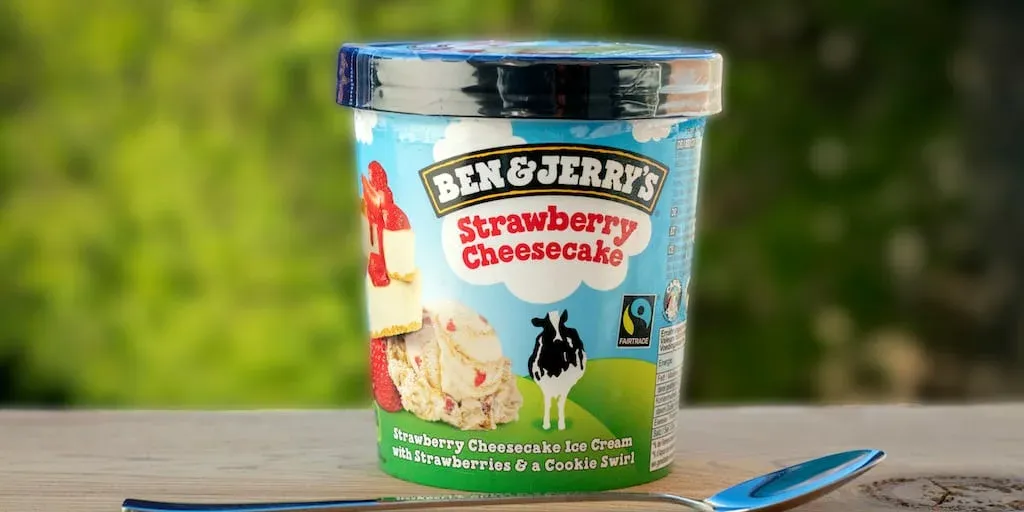
A pack can look beautiful when reviewed at A3 size on a screen and still disappear on a shelf full of competitors, which is a pattern that catches even experienced teams off guard. The reason is that standout is contextual, not absolute, and a design only works if it earns attention against the specific neighbours it will sit beside in store.
This is one of the dimensions where methodology choice really shapes what you learn. Online preference work tells you which design people prefer in isolation, while shelf-based testing tells you which one a shopper actually reaches for when surrounded by familiar incumbents, and those two answers are often different. The team behind your packaging research should be able to talk through the methodology trade-offs honestly rather than defaulting to whichever approach is easiest to deliver.
The other point worth making is that standout is not always about being the loudest pack in the category. Sometimes a quieter, more confident design earns attention precisely because it does not try to compete on the same visual register as everyone else, which is the kind of insight you only get when the research is set up to capture comparative behaviour rather than abstract preference.
Comprehension, Hierarchy, and the Information Layer
Visual design is one half of the story. The other half is whether shoppers can extract the information they need within the few seconds your pack actually has to make its case, and that depends on how the design hierarchy is constructed rather than how attractive the individual elements are.
What Comprehension Testing Reveals
Research framed around comprehension can show you whether the variant cue is doing its job, whether the format is clear at a glance, and whether key claims are landing or being skipped over entirely. Shoppers asked to describe what they are looking at often reveal gaps that the design team had assumed were obvious, which is exactly the kind of finding that changes how a pack performs once it goes live.
Where the Colour Question Fits
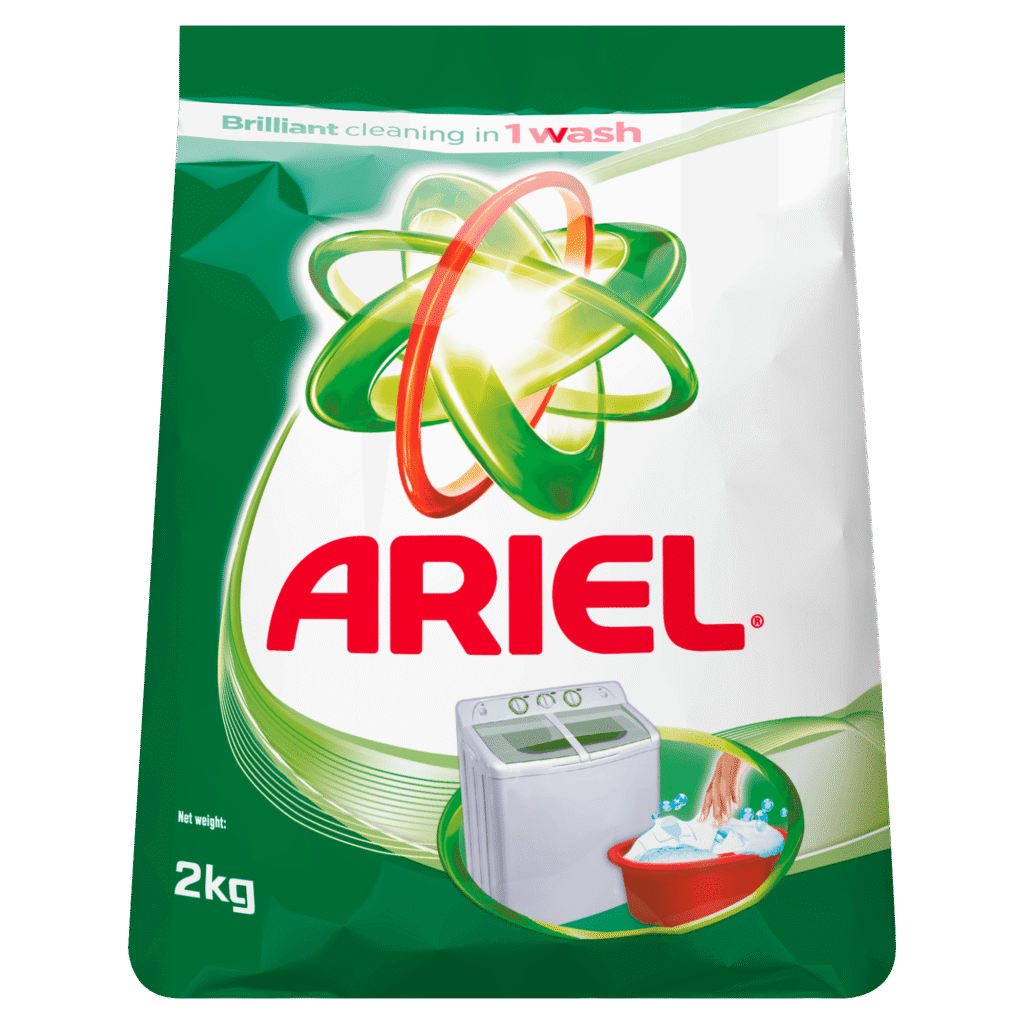
Colour plays a significant role here, both as an attention driver and as a comprehension cue, particularly within ranges where consumers rely on colour to identify their preferred variant. There is real value in understanding how colour choices influence perception within your specific category, but colour rarely operates in isolation from the rest of the design system, so it is worth testing in context rather than as a standalone variable.
How Functional Performance Influences Repeat Purchase
Packaging research that stops at the shelf moment misses a significant part of the picture, because the experience of actually using the pack at home shapes whether someone buys it a second time. A jar that is awkward to open, a pouch that does not reseal properly, or a bottle that is hard to pour from without making a mess can all undermine an otherwise positive product experience.
These usability factors are exactly the kind of thing that single-session research struggles to capture, which is why home use testing often complements shelf-based studies when functional performance matters. The findings can also surface unexpected issues, such as packs that perform well across a single use but become frustrating after several days of repeated handling, and those patterns are difficult to anticipate without giving consumers time to live with the product properly.
Why Quantifying the Impact of Pack Changes Matters
When you are evaluating a redesign rather than developing an entirely new pack, the question shifts from whether the design works to whether it works better than what you currently have. That comparison needs to be set up carefully, because brand recognition is itself a valuable asset, and a more attractive pack that loses some of that recognition can easily produce worse commercial outcomes than the version it replaced.
Research designed to quantify the impact of packaging changes helps you weigh aesthetic improvements against potential recognition losses, so you are making the trade-off with evidence rather than instinct. The history of high-profile redesigns includes plenty of cases where the new pack scored better in isolation but performed worse on shelf because loyal shoppers struggled to find the brand they had been buying for years.
The Tropicana redesign is the example most people reach for when discussing this, partly because the costs of getting the trade-off wrong were so visible, but the underlying lesson applies to any established brand considering a meaningful pack change. Recognition is part of what your packaging is doing for you, and research that ignores it can make the redesign look stronger on paper than it will perform in practice.
Briefing Your Packaging Research for Useful Findings
Across all of this, the single biggest determinant of whether your research produces useful findings is the clarity of the brief. A study designed to answer “do consumers like this pack?” will deliver an answer to that question, but it will not tell you whether the pack will outperform competitors on shelf, whether the claim hierarchy is working, or whether the redesign is genuinely worth the investment of changing artwork and resetting production.
Defining what success actually looks like for your specific project, and which of the dimensions above matter most for that success, is the work that needs to happen before any consumer ever sees the design. Done well, that briefing conversation usually shapes the rest of the project for the better, and the resulting findings tend to connect cleanly to the decisions you actually need to make rather than sitting in a report that nobody quite knows how to act on.
Talk to Wirral Sensory Services About Your Next Packaging Brief
Packaging research delivers the most value when the questions are sharp, the methodology fits the questions, and the analysis connects back to the commercial choices on your desk. Getting that combination right is genuinely a craft, and the experience of the team running the project shows up directly in how usable the findings turn out to be.
We have spent the best part of three decades helping brands work through packaging decisions of every scale, from single-SKU launches with major retailers to range-wide redesigns where recognition and coherence both matter.
If you have a project on the horizon, or you are still working out what the brief should actually look like, we are happy to talk it through informally before anything is committed. You can reach the team on +44 (0)151 346 2999 or by email at info@wssintl.com.