
Elevating the at-home pizza experience with Crosta Mollica Collezione Romana Portofino Pizza

The Crosta Mollica Collezione Romana Portofino Pizza successfully challenged consumer perceptions of frozen pizza by combining authentic Italian ingredients, artisanal techniques, and premium flavour profiles into a convenient at-home product.

By outperforming a leading takeaway pizza in consumer testing, Crosta Mollica demonstrated that exceptional quality and authenticity can transform the frozen pizza experience – proving that sometimes, the finest ingredients really do speak for themselves.

“At Crosta Mollica we know that the experience of a takeaway pizza rarely lives up to the promise. So with Collezione Romana, we set out to develop a range of pizzas that delivered the ultimate at-home pizza experience; bigger, thin and crisp Roman style, topped with the very best quality ingredients. We worked with Wirral Sensory Services to put our pizzas to the test vs the biggest takeaway provider in the country and were delighted with the results. Mangiamo!”

Dean Lavender, Marketing Director, Crosta Mollica

Background

Crosta Mollica set out to redefine the premium chilled pizza category by delivering an authentic Italian dining experience consumers could enjoy at home.

In a UK consumer taste test involving 200 respondents, the new Crosta Mollica Collezione Romana Portofino Pizza outperformed a leading takeaway pizza across multiple key measures, including taste, ingredient quality, texture, authenticity, and overall eating experience.

Inspired by the vibrant Italian Riviera town of Portofino, the pizza combines premium ingredients and traditional preparation methods to create a restaurant-quality product designed for the modern consumer.
The challenge

Consumers increasingly expect premium quality and authenticity from at-home dining options, particularly within the frozen and ready-made pizza market. However, many products fail to replicate the freshness, texture, and flavour complexity associated with restaurant or takeaway pizzas.

Crosta Mollica aimed to bridge this gap by creating a pizza that could:
• Deliver an authentic Italian flavour profile
• Compete directly with takeaway alternatives
• Offer premium ingredients and artisanal preparation
• Elevate the overall at-home dining experience

The solution

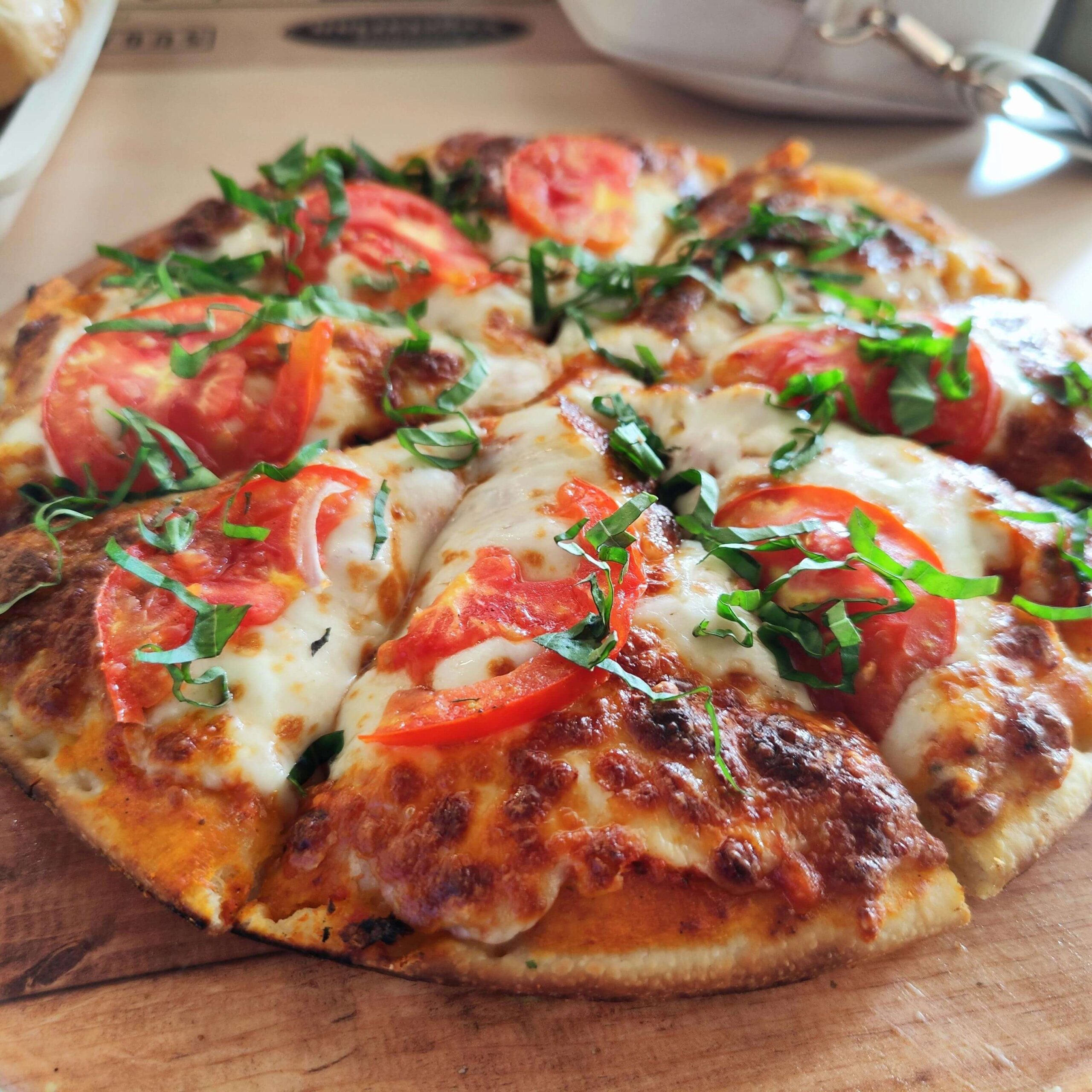
The Crosta Mollica Collezione Romana Portofino Pizza – a refined interpretation of the classic Margherita pizza inspired by the colourful charm of Portofino on the Italian Riviera.

Key product features included:
• Slow-roasted pomodorini gialli
• Creamy mozzarella bufala
• Vibrant basil salsa
• Thin, wood-fired sourdough base
• Carefully selected premium ingredients
The Crosta Mollica Collezione Romana Portofino Pizza was designed to combine artisanal craftsmanship with convenience, allowing consumers to enjoy restaurant-quality pizza directly from their own oven.

Consumer testing and methodology

To validate the product’s market appeal, Crosta Mollica conducted a UK consumer taste test with 200 respondents. Participants compared Crosta Mollica Collezione Romana Portofino Pizza against a leading takeaway equivalent across several performance categories.

Evaluation criteria

Consumers assessed the pizzas based on:
• Taste and flavour
• Topping quality
• Ingredient quality
• Texture
• Authenticity of the sourdough base
• Overall eating experience

Results

The Crosta Mollica Collezione Romana Portofino Pizza outperformed the leading takeaway competitor across all major categories.

Key findings

Consumers rated Crosta Mollica Collezione Romana Portofino Pizza higher for:
• Tastier and more premium toppings
• Better quality ingredients
• A lighter, more authentic sourdough base
• Superior texture
• Overall dining experience

The findings reinforced the growing demand for premium, authentic, and convenient at-home meal solutions.

Impact

The success of the Crosta Mollica Collezione Romana Portofino Pizza demonstrated that consumers are willing to embrace premium frozen products when they deliver on authenticity, quality, and taste.

Business outcome

• Strengthened Crosta Mollica’s premium brand positioning
• Differentiated the product from traditional frozen pizza offerings
• Validated consumer appetite for restaurant-quality experiences at home
• Enhanced competitive standing against takeaway alternatives

Why the correct diet matters: tackling dog obesity in the UK

Obesity has become one of the most common health issues affecting dogs in the UK. While many owners show love through food and treats, overfeeding and poorly balanced diets can have serious consequences for a dog’s long-term health. Maintaining the correct diet and portion sizes is one of the most important ways owners can support their pet’s wellbeing.

Research from the UK veterinary charity PDSA in 2023, suggested that a significant proportion of dogs in the UK are overweight or obese. Although excess weight may not always seem immediately harmful, it can lead to a range of health problems that affect both quality of life and life expectancy.

Why Obesity Is a Serious Health Concern

Carrying excess weight places considerable strain on a dog’s body. Over time, this added pressure can contribute to a number of medical conditions. Overweight dogs are more likely to develop joint problems, reduced mobility, and breathing difficulties. Extra weight can also increase the risk of developing conditions such as Type 2 Diabetes, as well as cardiovascular issues.

Studies have also shown that dogs kept at a healthy weight can live significantly longer than those that are overweight. Even a small amount of excess weight can have a measurable impact on overall health.

Because obesity tends to develop gradually, many owners may not realise their dog has gained too much weight. This is why understanding how to assess a dog’s body condition is so important.

Understanding Body Condition Scoring

Veterinary professionals often use a system known as Body Condition Scoring (BCS) to determine whether a dog is underweight, at an ideal weight, or overweight. The method assesses a dog’s body shape and the amount of fat covering key areas such as the ribs, waist, and abdomen.

Most BCS systems use a scale of 1 to 9, where:
· 1–3 indicates an underweight dog
· 4–5 represents an ideal body condition
· 6–7 indicates that a dog is overweight
· 8–9 indicates obesity

Organisations such as the British Veterinary Association encourage pet owners to become familiar with body condition scoring, as it can help them monitor their dog’s weight between veterinary visits.

How to Tell if Your Dog Is the Right Weight

While veterinary guidance is always valuable, there are several simple checks that owners can carry out at home to get a general sense of their dog’s body condition.

1. Feel the ribs

You should be able to feel your dog’s ribs easily with light pressure, with only a thin layer of fat covering them. If the ribs are difficult to feel, this may indicate excess body fat.

2. Look for a visible waist

When viewed from above, a dog should have a noticeable waist behind the ribcage. If the body appears oval or straight with no narrowing, the dog may be overweight.

3. Check the abdominal tuck

Looking from the side, a dog’s abdomen should slope upwards from the ribcage towards the hind legs. A hanging or sagging stomach can be a sign that the dog is carrying too much weight.

These checks are simple but effective ways to monitor changes over time and identify when a dog may need adjustments to its diet or exercise routine.

The Role of Diet and Feeding Habits

Diet plays a central role in maintaining a healthy weight. Even high-quality food can contribute to weight gain if portion sizes are too large or treats are given too frequently.

Owners should ensure that they are feeding the correct portion sizes for their dog’s breed, size, age, and activity level. Measuring food rather than estimating portions can help prevent accidental overfeeding. Treats should also be given in moderation and ideally factored into the dog’s overall daily calorie intake.

Regular exercise is another key factor. Daily walks, playtime, and mental stimulation all contribute to maintaining a healthy weight and preventing boredom-related overeating.

Seeking Professional Advice

If owners are unsure whether their dog is at a healthy weight, consulting a veterinarian is always recommended. A vet can assess the dog’s body condition, provide guidance on appropriate feeding amounts, and suggest dietary adjustments if needed.

Maintaining a healthy body condition is one of the most effective ways to support a dog’s long-term health. By paying close attention to diet, portion sizes, and body condition, owners can help ensure their dogs remain active, comfortable, and healthy throughout their lives.