
Latest News Archives | WSS

Why Product Benchmarking Still Matters in 2026

Many of the products we test end up on a shelf, or, next to something else. Shoppers rarely judge a product in isolation. They compare it with the alternative beside it, the cheaper one below it and the familiar one they bought last time.

That’s why product benchmarking, comparing your product with competitors and category leaders, remains one of the most useful pieces of research a food, drink or household brand can commission. As we head towards 2027, we’d argue it matters more than it has for some time.

Shoppers compare more easily than ever

Prices, reviews and alternatives are a few taps away, whether someone is browsing online or standing in the aisle. The effect is that your product is constantly measured against the rest of the category. Knowing how it really stacks up, as opposed to how you hope it does, puts you in a much better position to make decisions.

Budgets keep people switching

When household budgets are under pressure, shoppers trade down, try own-label and move between brands more readily. Loyalty can’t be taken for granted. Benchmarking helps answer a straightforward question: does your product still earn its place and its price in the eyes of consumers?

Own-label has caught up

Retailer brands are no longer assumed to be the poorer option. If a supermarket’s own version is close to your product on taste or performance, it’s far better to learn that from independent research than from a buyer in a listing meeting.

Recipes and packs are always changing

Brands adjust products for many good reasons: cost, supply, sustainability, nutrition. Each change carries a small risk that something consumers valued has shifted. Comparing the new version against the old one, and against competitors, is a sensible way to check you haven’t lost your advantage along the way.

Internal opinion only goes so far

Teams who work on a product every day become very familiar with it, and often have strong views about competitors. That familiarity is valuable, but it isn’t the same as a consumer’s view. Independent benchmarking replaces assumption with evidence from the people who buy the product.

Retailers like evidence

Buyers see many similar new lines. Showing how your product performs against category leaders gives them something concrete to consider. It can also support comparative claims, provided the research is designed around the wording you want to use.

Markets shift quietly

A competitor can improve their recipe, refresh their packaging or launch something new in your space without much fanfare. Without regular comparison, it’s possible to drift behind without noticing. For that reason we see benchmarking as something to revisit periodically, not a one-off exercise.

What good benchmarking tells you

Done well, benchmarking helps you see:

· Where your product leads, and where it trails

· Which differences consumers actually notice, and which they don’t

· What to protect, what to improve and what to leave alone

· How you perform against the competitors that matter most to your category

The aim isn’t simply a ranking. It’s a clear picture of strengths and areas for improvement, so your team can decide what to do next.

Final thought

A product can be well made, well priced and well presented, and still be second choice on the shelf. Benchmarking helps you find that out early, while there’s time to act on it.

If you’d like to talk about how benchmarking could work for your product or category, you can get in touch with our team at wssintl.com.
What to Do With Your Product Testing Results Once the Report Lands

The day your product testing report arrives tends to bring a strange mix of relief and pressure, because the fieldwork is finally finished and the numbers are in, yet everyone around the table now wants to know what you’re actually going to do about them.

Plenty of brands invest properly in the research itself, recruiting the right consumers and choosing a sensible method, only to let the findings drift into a shared folder where they quietly influence nothing at all.

Getting real value out of product testing means treating the report as the start of a decision rather than the end of a project. If you’re still getting to grips with the basics of how consumer research works, that groundwork is well worth covering first.

However, this piece is about what comes afterwards, when you’ve got results in front of you and a launch, a reformulation or a retailer pitch riding on how you read them. Having the data and then ignoring it leaves you in much the same position as brands that take their chances without any consumer feedback, and they usually find out the hard way once the product is already on shelf.

Reading Your Product Testing Results Beyond the Headline Score

Most people’s eyes go straight to overall liking, and while that headline figure matters, it rarely tells you on its own whether your product is ready, nearly there or in genuine trouble.

A respectable average can hide a split audience where half your target consumers love the product and the other half actively dislike it, which is a very different commercial position from a product everyone finds pleasant but forgettable. Reading your results properly means looking at how scores spread across the sample, how different consumer groups responded and how your product compares with whatever it’ll sit beside on the shelf.

The method behind the numbers also shapes how far you can lean on them, since product tests run in a central venue capture first impressions while studies that put your product into people’s homes reflect repeated use, real preparation and real routines.

A product that dips slightly over a week at home is telling you something a single tasting never could, and the right research partner will explain those nuances in plain terms rather than leaving you to decode a wall of charts on your own.

The Product Testing Findings Worth Acting On First

Working through a report is far easier when you have a rough order of priority, so that the commercially important insights get dealt with before the nice-to-know ones. Whether your study covered a ready meal, a snack or a soft drink or something from the household aisle, these are the areas that usually deserve your attention first:

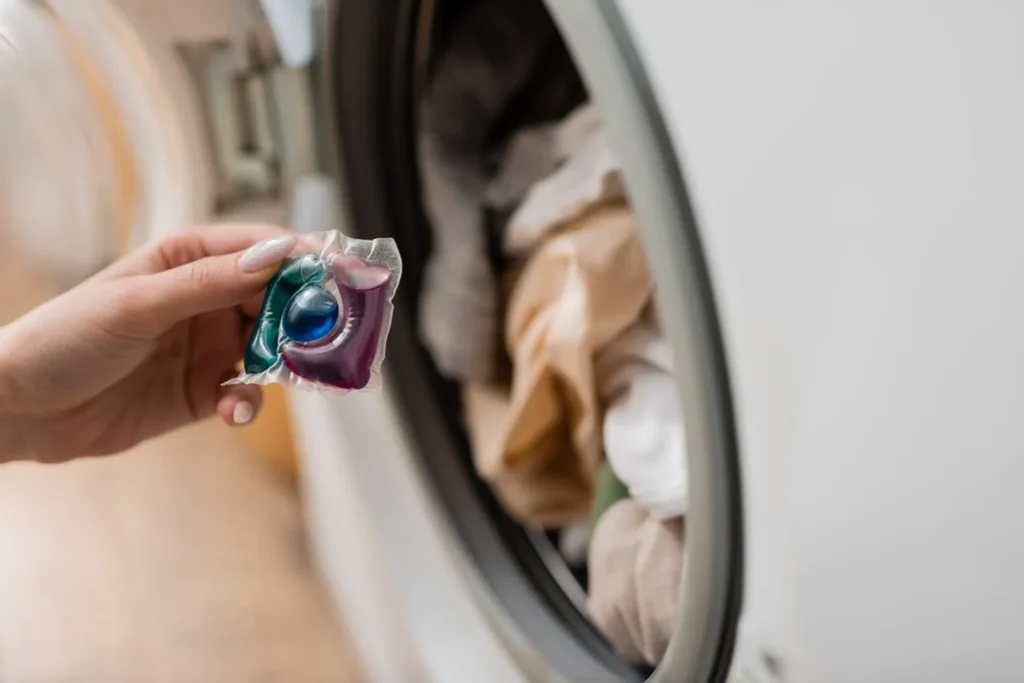
product testing laundry pod

Turning Product Research Into Your Next Development Decision

Where your results point to a clear weakness, the sensible route is usually to refine the product and test again rather than launching and hoping for the best.

Repeating the research after each round of changes builds a reliable picture of whether you’re genuinely moving in the right direction. That cycle of tweaking and retesting is a big part of why testing products as a regular habit pays off, since each study hands you a benchmark the next one can be measured against.

Strong results deserve to work just as hard for you as weak ones, and an independent report can carry real weight when you’re trying to secure a new retailer listing or reassure a buyer that your product has earned its space. Scores that clearly beat a competitor might also give you the evidence for a substantiated marketing claim, handing shoppers a reason to pick your product up rather than the one next to it.

Some findings will raise questions the original study was never designed to answer, which is often the moment to switch methods rather than simply repeat the same test. 

If a product scored well in a one-off tasting but you’re unsure how it’ll hold up week after week, a home use study is the natural next step, and it works for a far wider range of products than many brands expect. Knowing how an in-home study typically runs before you commission one also helps you set realistic timings and brief your own team properly.

Get More Out of Your Next Round of Product Testing

Whether you’ve got a report sitting unread on your desk or a new product heading towards its first round of consumer feedback, a short conversation can help you work out where to go from here.

You can talk through your product and objectives with us in a 20-minute call, and we’ll recommend the right mix of taste testing, home use testing, benchmarking or online research with no sales pitch attached.

We’ve worked with more than 500 brands across food, drink, household and pet products since 1997, and every project we run ends in a report built around prioritised recommendations rather than raw data, so you’ll know exactly where to focus your effort. To book in that call, ring 0151 346 2999 or drop us a line at info@wssintl.com.

How Home Use Testing Protects Your Brand Through a Reformulation

Reformulating a product that already sells well is one of the most nerve-racking jobs in food and drink development, because you’re tinkering with something your customers have already decided they like and buy week after week.

Whether you’re cutting sugar, salt or fat to stay on the right side of HFSS rules, swapping an ingredient because a supplier has hiked its prices, or changing a process to make a production line run more efficiently, the commercial goal is usually the same, which is for nobody to notice that anything has changed at all.

Proving that is a lot harder than it sounds, and it’s exactly where home use testing earns its keep. When you put the new recipe into people’s homes and let them live with it for a week or two, you find out whether the change survives normal life rather than a brief, polite sample, which is a point that many of the questions brands ask us about HUT eventually circle back to.

It’s also one of the clearest examples of why home use testing outperforms quicker research methods, since a reformulation that slips past your most loyal buyers unnoticed is worth far more to you than one that simply scores well on the day.

Why a Reformulation Needs Home Use Testing and Not Just a Quick Taste

Your existing customers don’t taste your product once and move on, because they’ve eaten it dozens or even hundreds of times and carry a remarkably precise memory of how it should taste, smell and feel. 

A short tasting in a central venue can tell you whether a sample of the new recipe is pleasant, but it can’t really tell you whether someone who’s had the original in their cupboard for years will spot the difference halfway through the second packet, and that’s the moment that decides whether they keep buying. A home use testing study gets far closer to that reality by letting your product slot back into the routine it already occupies.

The real-world setting brings its own complications, of course, and anyone familiar with the key challenges of home use testing will know that compliance, consistent usage and clean data all need careful management when you can’t watch people in person. 

With a reformulation, though, those uncontrolled conditions are the whole point, because your new recipe will face exactly the same everyday chaos the day it lands on shelf in the familiar pack at the familiar price.

What In-Home Use Testing Reveals About a New Recipe

Repeated consumption is where most reformulations either hold up or quietly unravel, and it’s something you simply can’t see in a single sitting. 

A reduced-sugar cereal might taste fine on day one yet start to feel flat by day five, a lower-salt soup could seem perfectly seasoned in a small pot but disappointing as a full bowl at teatime, and a new sweetener system can leave an aftertaste that only becomes irritating with regular use. Because HUT captures how people genuinely behave with a product over time, those slow-burn problems show up in your data long before they’d ever show up in your sales figures.

Preparation and storage matter just as much as taste, particularly for anything your customers cook, heat or keep in the fridge once opened. A change to a sauce’s thickener might affect how it behaves in a pan on a domestic hob, while a tweak to a frozen product could alter how it crisps in a typical home oven rather than the commercial kit in your development kitchen, and you’ll only discover these things when real people prepare your product their own way. 

Timing your fieldwork sensibly helps too, since the time of year you put a product into homes can colour the results in ways that have nothing to do with the recipe itself.

Reformulation pressure isn’t limited to food and drink either, with household brands constantly reworking fragrances, removing unpopular ingredients or moving to more sustainable formulations. The same logic applies whether you’re testing a new washing-up liquid or a reworked moisturiser or shampoo, because your loyal users will judge the new version against their lived experience of the old one rather than against a blank page.

home use product testing

How to Structure a Home Use Test for a Reformulated Product

Running a reformulation study well takes a slightly different mindset from testing a brand-new product, because you’re usually aiming for parity with something consumers already know rather than chasing outright delight. Most of the good practice that applies to any home use test still holds, but a few areas deserve extra thought when your goal is a change your buyers won’t notice.

Recruiting Current Users for Your Home Use Test

Your sample should lean heavily towards people who already buy and use your product regularly, since they’re the ones whose loyalty is genuinely at risk and the ones best placed to notice a difference. 

We screen participants on purchasing behaviour and product usage through our database of more than 10,000 consumer tasters and our dedicated recruitment app, and the same principle holds for home use testing on pet food, where owners whose animals already eat your recipe make by far the most useful testers.

Comparing Old and New Recipes Side by Side at Home

A blind comparison between your current product and the reformulated version, presented in neutral coded packaging so brand cues don’t sway anyone, gives you the cleanest possible read on whether consumers can tell them apart and which one they prefer. 

Depending on your objectives, participants might try each version in turn over consecutive weeks or rate both against the same set of attributes, and it’s this kind of real-world comparison that has reshaped how brands approach consumer research over the last few years.

Agreeing What a Successful Result Looks Like

Deciding before fieldwork what counts as a pass saves a lot of internal debate afterwards, whether that’s statistical parity with the original, no meaningful drop in overall liking, or a clear preference for the new version among your core buyers. 

Our reports include statistical analysis where appropriate, so when your new recipe holds its own you’ll have the evidence to reassure retailers and your own commercial team, and if it falls short you’ll know exactly which attributes need further optimisation before you go any further.

Reformulate With Confidence Using Home Use Testing

Changing a recipe your customers already love will always carry some risk, but putting the new version through a properly designed home use test takes most of the guesswork out of it and gives you solid evidence long before the reformulated product goes anywhere near a shelf. 

We’ve been running HUT studies for food, drink, household and pet brands across the UK and Europe since 1997, with most projects taking around two weeks from commission to report, so the research needn’t hold up your launch timeline.

If you’re planning a reformulation and want to know how your loyal buyers will really react, get in touch with our team on 0151 346 2999 or at info@wssintl.com, and we’ll help you design a study that answers the question that matters most to your brand.

Cola, energy drinks and the role sensory science will continue to play in the future

According to a recent article in The Grocer, sports and energy drinks have overtaken cola as the UK’s largest soft drinks segment, with sales reaching about £675m over the latest 12-week period measured by NIQ.

As you’ll have seen, the headline itself is striking.

But, what makes this more interesting than a simple category shift, is that consumers may no longer be evaluating drinks primarily on hedonic attributes (“Does this taste good?”), but increasingly on functional attributes (“What will this do for me?”).

The shift from refreshment to performance

For decades, cola occupied a very clear sensory and emotional space. It offered a familiar flavour, immediate refreshment, the brand was well thought of, and there was plenty of nostalgia attached to it. For many, it was even seen as a treat.

On the other hand, sports and energy drinks operate differently. Their proposition is often built around energy, hydration, electrolytes, mental focus, recovery, and an active, healthy lifestyle.

Consumers increasingly interpret sensory cues through the lens of those benefits. A slightly salty note, for example, might once have been considered a flavour defect.

In a hydration product it can reinforce the perception that the drink contains electrolytes and is “working”. Likewise, the sharp acidity and bitterness common in energy drinks can become signals of efficacy rather than barriers to liking.

This is a classic example of sensory perception being shaped by expectation.

Sensory science tells us people don’t taste in isolation

One of the most robust findings in sensory research is that expectations influence experience.

When consumers know a drink contains:

· electrolytes

· caffeine

· vitamins

· protein

· functional ingredients

they often evaluate flavour differently than they would in a blind test.

A runner reaching for a hydration drink after a 10K isn’t necessarily seeking the most pleasurable flavour. They’re seeking reassurance that the product supports a specific goal.

In that context, sensory acceptance becomes multidimensional:

· Does it taste good?

· Does it feel refreshing?

· Does it seem effective?

· Does it fit my health goals?

· Does it align with my identity?

The last two questions have arguably become much more important over the past decade.

Why this matters for product development

Historically, soft-drink optimisation often focused heavily on overall liking scores.

Today, brands increasingly need to understand:

· Perceived hydration

· Perceived energy delivery

· Refreshment

· Mouthfeel

· Satiety

· “Clean” versus “artificial” taste perceptions

· Post-consumption feelings

A product could score lower on pure flavour liking than a cola, yet still win in market because consumers believe it better supports their lifestyle.

That’s particularly relevant among runners, gym-goers and health-conscious consumers. Your own behaviour as a runner is a good example. You may not be asking, “What’s the tastiest drink in the chiller?” but rather, “What’s going to help me hydrate, recover, or keep going this afternoon?”

The sensory challenge for brands

The next phase though may be even more challenging.

Early energy drinks largely succeeded by delivering a clear functional cue: caffeine. Today’s consumers increasingly want:

· Energy

· Hydration

· Low sugar

· Natural ingredients

· Clean labels

· Great taste

All demands that can conflict with one another.

Electrolytes can affect flavour balance. Natural sweeteners can introduce bitterness or lingering aftertastes. Reduced sugar changes mouthfeel. It’s why sensory testing becomes even more critical because brands must optimise multiple dimensions simultaneously rather than simply maximising sweetness and flavour impact.

A broader question: has the definition of a soft drink changed?

Another question we should all be aware of is; do consumers increasingly see soft drinks as part of a wellness toolkit rather than purely as refreshments?

The growth of sports and energy drinks has been linked for years to demand for functional benefits, active lifestyles and “better-for-you” positioning.

If that’s true, then cola’s decline in relative importance isn’t necessarily about people liking cola less. It may be that the category’s centre of gravity has shifted from:

“What tastes nicest?” to “What helps me achieve something?”

For sensory researchers, that’s a fascinating evolution because it means understanding consumer behaviour now requires measuring not just flavour preference, but the complex relationship between sensory experience, perceived functionality and personal goals.

In many ways, the winner in modern soft drinks may not be the beverage with the highest liking score. It may be the one that best convinces consumers that great taste and meaningful function can coexist.

If you would like to start your journey with us, get in touch today.

What happens when consumer research comes too late?

Launching a new product is a major investment. From product development and sourcing to packaging, marketing and retailer listings, brands commit significant time and budget to bringing new ideas to market.

Yet many product launches still fail to deliver the expected results.

One of the biggest reasons? Consumer research happens too late.

Too often, businesses treat consumer testing as a final-stage exercise, something carried out once the recipe, packaging and positioning have already been approved.

By that stage, making changes becomes expensive, time-consuming and difficult to implement.

The reality is that even strong products can struggle if they do not connect with consumers in the right way.

The risk of relying on assumptions

Internal teams know their products extremely well, but consumers experience them very differently.

A shopper may spend only a few seconds looking at a product before deciding whether to purchase it. If the messaging is unclear, the packaging fails to stand out, or the product experience does not meet expectations, repeat purchase can quickly disappear.

Without early consumer insight, brands can unknowingly move forward with:

· flavour or texture profiles consumers do not prefer

· packaging that fails to communicate effectively

· pricing concerns

· weak differentiation versus competitors

· positioning that misses the target audience

These issues are often much easier – and less expensive – to fix before launch rather than after products are already on shelf.

Why early research matters

Working with specialist consumer research partners allows brands to gather valuable feedback while products are still in development.

Early-stage testing can help businesses:

· optimise products before launch

· benchmark against competitors

· validate packaging and messaging

· identify sensory strengths and weaknesses

· improve consumer appeal

Most importantly, it reduces risk.

Rather than relying solely on internal opinion, brands can make decisions based on genuine consumer feedback and measurable insights.

Stronger products, stronger conversations

Consumer research is not only valuable for product development – it can also strengthen commercial conversations.

Buyers are under constant pressure to maximise category performance and reduce risk. Products supported by independent consumer testing often enter retailer discussions with stronger evidence, clearer differentiation and greater confidence.

Validated consumer data can help demonstrate:

· superior taste or quality

· stronger purchase intent

· competitive advantage

· clearer consumer preference

As we‘ve talked about previously, today’s consumers expect more than ever before. Quality, authenticity, taste, value and experience all play an important role in purchasing decisions.

At the same time, consumers are more vocal and influential. Online reviews, social media and word-of-mouth can quickly shape the reputation of a product – for better or worse.

Brands that invest in understanding consumer expectations early are often far better positioned to succeed long term.

Research should never be an afterthought

The most successful product launches rarely happen by chance.

They are built through testing, refinement and continuous improvement. Bringing consumer research into the process earlier allows brands to make smarter decisions before products reach shelves, reducing costly mistakes and increasing the likelihood of long-term success.

In competitive markets, understanding consumer perception early can make all the difference.

If you’re read this article and think that we will be able to help, then get in touch, our dedicated team are available to explain how we can assist and start you on the way to further excellence.

WSS: seven steps to successful product planning

Wirral Sensory Services helps businesses plan ahead strategically by turning real consumer feedback and product testing data into actionable decisions before launch. Instead of relying on assumptions, companies can validate ideas early, reduce uncertainty, and align products with market demand.

Here’s how that works in a strategic, decision-making context:

Identifying what customers actually want (before investing heavily)

    WSS conducts consumer research and sensory testing (taste, texture, smell, appearance, usability) to uncover what drives preference.

    Strategic impact:

    • Businesses can align product concepts with real customer expectations
    • Avoid developing features or products that won’t resonate
    • Build a customer-led innovation pipeline, not a guess-driven one

    Testing and refining products before market entry

      Our product testing programmes (e.g., taste tests, home-use tests, benchmarking) evaluate how a product performs against competitors.

      Strategic impact:

      • Detect flaws early (flavour imbalance, usability issues, poor experience)
      • Refine products before scaling production
      • Make confident go/no-go launch decisions

      Reduces risk and avoids costly mistakes

        WSS research highlights areas needing improvement before launch, helping companies avoid failed products.

        Strategic impact:

        • Lower financial risk from unsuccessful launches
        • Reduce rework and redevelopment costs
        • Improve time-to-market efficiency

        Use of real data to guide product optimisation

          By combining consumer feedback with sensory profiling, we identify the “drivers of liking” and define what an ideal product should be.

          Strategic impact:

          • Focus investment on features that increase customer satisfaction
          • Optimise formulations, ingredients, and performance
          • Create a “gold standard” product benchmark for future development

          Support smarter pricing and cost strategies

            WSS testing can reveal whether consumers notice changes (e.g., ingredient reductions or substitutions).

            Strategic impact:

            • Reduce costs without harming perceived quality
            • Make evidence-based trade-offs between cost and experience
            • Improve margins while maintaining competitiveness

            Strengthening packaging, branding, and positioning

              Through packaging and branding research, we evaluate how products are perceived visually and emotionally.

              Strategic impact:

              • Ensure strong shelf appeal and clear messaging
              • Increase conversion at the point of purchase
              • Align brand identity with target audience expectations

              Enabling long-term strategic planning

                Because WSS builds ongoing research partnerships, businesses can continuously test, learn, and adapt.

                Strategic impact:

                • Track changing consumer preferences over time
                • Continuously improve product lines
                • Build data-driven innovation strategies for long-term growth

                Bottom line

                At Wirral Sensory Services we enable businesses to shift from reactive decision-making to proactive, evidence-based strategy. By integrating consumer insights and product testing before decisions are finalised, companies can:

                • Minimise risk
                • Optimise products early
                • Launch with confidence
                • Increase their chances of commercial success

                If you’d like to get in touch with a member of our team, feel free to get in touch here.

                Flexible and Personalised Product Tasting: The Key to Smarter Product Development

                In today’s fast-moving consumer landscape, launching a successful product takes more than a good idea and internal confidence. Brands need real, unbiased feedback from the people who matter most – their customers. That’s where flexible and personalised product tasting comes into play, and why companies like Wirral Sensory Services are reshaping how businesses approach product development.

                At WSS we understand that no two projects are the same, which is why we offer bespoke research solutions designed around each product’s goals, audience, and market positioning.

                This flexibility ensures that businesses don’t just gather data – they gather the right data.

                What Does “Personalised Product Tasting” Really Mean?

                Personalised product tasting goes far beyond simply asking people if they like a product. It involves designing every aspect of the testing process to reflect real-world conditions and target audiences.

                This includes:
                • Carefully selected consumer panels that match your demographic
                • Custom testing formats such as blind tests, paired comparisons, or home-use trials
                • Controlled environments to eliminate bias and ensure accurate feedback
                • Tailored questionnaires that uncover actionable insights

                Professional testing providers maintain diverse consumer databases, allowing brands to access the exact profiles they need without months of recruitment.

                Flexibility Across the Product Lifecycle

                One of the biggest advantages of a flexible tasting approach is that it can adapt to every stage of development:


                1. Early Concept Testing
                Understanding whether your idea resonates before investing heavily in production.
                2. Product Optimisation
                Combining sensory profiling with consumer feedback to refine taste, texture, and overall appeal.
                3. Pre-Launch Validation
                Benchmarking your product against competitors to ensure it stands out on the shelf.
                4. Post-Launch Improvement
                Gathering ongoing feedback to refine formulations or packaging.

                This end-to-end adaptability helps reduce risk and ensures products evolve with consumer expectations.

                Real-World Testing: Beyond the Lab

                Flexible tasting doesn’t stop at controlled environments. Home Use Testing (HUT) allows consumers to experience products in their natural settings, where real purchase decisions happen.
                This approach reveals insights that lab testing alone cannot, such as:
                • Ease of use
                • Integration into daily routines
                • Long-term satisfaction
                By combining controlled tests with real-world usage, brands gain a 360-degree view of product performance.

                The Business Impact of Personalised Testing

                Investing in flexible product tasting isn’t just about improving flavour – it’s about making smarter business decisions.
                Key benefits include:
                • Reduced development costs by identifying issues early
                • Stronger market fit through deeper understanding of consumer preferences
                • Improved product positioning and messaging
                • Higher success rates at launch
                Consumer research ultimately enables companies to align products with real demand, rather than assumptions.

                Turning Insight into Competitive Advantage

                In competitive markets, even small improvements in taste, texture, or usability can make the difference between a product that succeeds and one that fails.
                Flexible and personalised product tasting ensures that:
                • Decisions are data-driven, not opinion-based
                • Products are optimised for real consumers
                • Brands can move quickly and confidently
                As the team at Wirral Sensory Services demonstrates, the future of product development lies in customisation, precision, and consumer-centric thinking.

                Final Thoughts

                Gone are the days when internal teams could rely on instinct alone. Today, success

                WSS: Playing a small part in helping to tackle child obesity

                When it comes to child obesity and government plans, you don’t have to search too far on the internet to find the various papers and reports.

                At WSS we recognise this and try to contribute to tackling child obesity by helping the food industry make healthier options more appealing, acceptable, and commercially viable, which is crucial for changing real-world eating habits at scale.

                So, how might we be able to do this?

                Well, step this way…

                Improving the appeal of healthier foods

                One of the biggest barriers in child nutrition is that healthier options are often seen as less tasty.

                At WSS we conduct taste testing and sensory research, helping brands adjust flavour, texture, and appearance so healthier foods are more appealing to children.

                This can encourage kids to choose:

                · lower-sugar cereals

                · healthier snacks

                · reformulated drinks

                Supporting product reformulation (less sugar, fat, salt)

                WSS helps brands understand how ingredient changes affect consumer perception.

                This is key for:

                · reducing sugar or fat without kids noticing

                · maintaining taste while improving nutritional value

                This kind of “silent reformulation” is widely considered one of the most effective strategies in reducing obesity at scale.

                Testing with children directly

                We offer children’s testing and focus groups, meaning products can be evaluated specifically with younger audiences.

                This helps brands:

                · understand what children actually like

                · design healthier products that still compete with junk food

                Influencing packaging and marketing

                We also research packaging design and messaging.

                This can be used to:

                · make healthy foods more visually appealing to kids

                · communicate benefits clearly to parents

                · nudge better choices at the point of purchase

                Driving evidence-based decisions for brands

                Their research provides data-backed insights that companies can use to justify launching healthier products.

                This matters because:

                · brands are more likely to invest in healthier options if they know consumers (including kids) will accept them

                · retailers are more likely to stock them

                Ultimately, we can all play a small part in tackling child obesity by helping make healthier choices easier and more normal in everyday life – whether that’s choosing balanced meals, limiting sugary snacks, encouraging regular physical activity, or setting a positive example for children.

                If you have a question about anything we have raised in this article, or would simply like some more information, then get in touch with a member of our team today, we’d love to hear from you.

                Why sensory services are essential for brand development

                In today’s crowded and competitive markets, building a strong brand goes far beyond logos, messaging, and digital presence. The brands that truly stand out are the ones that create memorable experiences – products that look, taste, smell, or feel just right.

                This is where sensory services, like those offered by Wirral Sensory Services, play a critical role.

                As we’ve touched upon in this series already, sensory research transforms how brands understand their products and their customers, helping bridge the gap between intention and real-world experience.

                Understanding the power of the senses

                Every interaction a customer has with a product is sensory. Whether it’s the taste of a beverage, the texture of a skincare product, or even the sound of packaging opening, these elements shape perception instantly.

                Sensory services analyse these experiences in a structured, scientific way – turning subjective opinions into measurable insights. Instead of asking “Do people like this?”, brands can understand why they like it, what drives preference, and what needs to change.

                This depth of understanding is fundamental to building products that resonate.

                Moving from guesswork to data-driven decisions

                Without sensory insight, product development often relies on internal opinions or limited feedback. That can lead to costly missteps.

                Sensory testing enables brands to:

                · Evaluate consumer preferences before launch

                · Compare products against competitors

                · Identify strengths and weaknesses in formulations

                By grounding decisions in real consumer data, brands reduce uncertainty and make smarter, more confident choices.

                Driving product success and market fit

                A product’s sensory profile can make or break its success. Even small changes in flavour, fragrance, or texture can significantly impact how it is received.

                Sensory services help brands fine-tune these attributes to align with target audience expectations. The result is:

                · Stronger product-market fit

                · Higher satisfaction levels

                · Increased likelihood of repeat purchase

                In industries like food, beverage, cosmetics, and household goods, this level of precision is essential.

                Creating meaningful differentiation

                In saturated markets, functional benefits alone are rarely enough. Brands need to stand out – and sensory experience is often the key differentiator.

                Through sensory benchmarking and profiling, companies can:

                · Understand how their products compare to competitors

                · Identify unique positioning opportunities

                · Develop distinctive product experiences

                A signature taste, scent, or texture can become a defining part of a brand’s identity.

                Reducing risk and protecting brand reputation

                Launching a new product or reformulating an existing one carries significant risk. If consumers reject the experience, the impact can be immediate and costly.

                Sensory testing acts as a safeguard by:

                · Identifying potential issues early

                · Validating changes before they reach the market

                · Ensuring consistency across production

                This not only protects revenue but also maintains trust in the brand.

                Building emotional connection and loyalty

                Great brands don’t just meet needs – they create emotional connections. Sensory experiences play a powerful role in this.

                When a product consistently delivers a satisfying sensory experience, it:

                · Enhances brand recall

                · Builds familiarity and comfort

                · Encourages long-term loyalty

                Over time, these emotional associations become a core part of the brand’s value.

                Supporting the wider brand strategy

                Sensory insights don’t stop at the product itself. They can influence:

                · Packaging design and tactile feel

                · Visual presentation and colour choices

                · Marketing claims and messaging

                By aligning every touchpoint with consumer perception, brands can deliver a more cohesive and authentic experience.

                Sensory services are no longer a “nice to have” – they are a strategic necessity for modern brand development. By combining science with human perception, they enable brands to create products that truly connect with their audience.

                Companies like Wirral Sensory Services help transform intuition into insight, reducing risk, enhancing differentiation, and ultimately driving stronger, more successful brands.

                In a world where experience is everything, understanding the senses is the key to standing out.

                If you have a question about this article, or, would like a chat about anything else, then please, get in touch here.

                The evolution of sensory science

                In a world where consumers are surrounded by endless product choices, standing out is no longer just about functionality or price. It’s about experience.

                Over the years, sensory science has evolved from a niche practice into a powerful, data-driven discipline, that shapes how brands design, test, and market their products.

                So, without further ado, let’s explore how it developed and why it has become indispensable for brands today.

                The Evolution of Sensory Science

                From intuition to early expertise

                Before the 20th century, sensory evaluation was largely informal. Industries such as wine, tea, and perfumery relied on expert tasters and craftsmen who used personal judgment to assess quality. While these experts were highly skilled, their methods lacked consistency and scientific rigour.

                The rise of scientific methods

                The mid-20th century marked a turning point. During and after World War II, the need for reliable food production, especially for military use, led to the development of structured sensory testing. Researchers began introducing standardised methods such as consumer taste tests and trained sensory panels.

                This period also saw sensory science align more closely with psychology and statistics, laying the groundwork for objective measurement of human perception.

                Linking perception to consumer behaviour

                From the 1980s onward, companies began to recognise that sensory perception directly influenced consumer preferences. This led to the development of more advanced techniques, such as quantitative descriptive analysis (QDA) and hedonic scales, that measure how much people like or dislike a product.

                Sensory science expanded beyond food into categories like cosmetics, personal care, and household products, becoming a key component of product development.

                The modern, data-driven era

                Today, sensory science sits at the intersection of neuroscience, technology, and big data. Brands now use tools like eye tracking, facial expression analysis, and biometric measurements to gain deeper insights into consumer reactions.

                There is also a growing focus on multisensory design – understanding how different senses interact to create a holistic experience. With the help of artificial intelligence and predictive analytics, companies can now anticipate how consumers will respond even before a product hits the market.

                Why Sensory Science Matters More Than Ever

                Driving product success

                At its core, sensory science helps brands create products that people genuinely enjoy. Small adjustments in taste, texture, or scent can significantly impact whether a product succeeds or fails. By refining these elements, companies can better meet consumer expectations and increase satisfaction.

                Building emotional connections

                Sensory experiences are deeply tied to memory and emotion. A familiar scent, a satisfying sound, or a pleasing texture can evoke powerful feelings and associations. Brands that tap into these sensory triggers can create stronger emotional bonds with their customers, leading to long-term loyalty.

                Standing out in crowded markets

                In many industries, products offer similar functional benefits. Sensory experience becomes a key differentiator. The feel of packaging, the look of a product, or even the sound it makes can influence how consumers perceive its quality and value.

                Improving product development

                Sensory science reduces guesswork. By testing prototypes with real users, brands can identify what works and what doesn’t before launching. This not only improves the final product but also minimises the risk of costly failures.

                Adapting to global audiences

                Consumer preferences vary widely across cultures. What tastes perfect in one market may not appeal in another. Sensory science enables brands to tailor products to local tastes and expectations, ensuring relevance in diverse markets.

                Enhancing marketing and brand experience

                Beyond the product itself, sensory science plays a major role in marketing. From the scent in a retail store to the music in an advertisement, sensory cues help create a consistent and immersive brand experience. These subtle elements can shape perception and influence purchasing decisions.

                The Bigger Picture

                Sensory science has come a long way – from subjective expert opinions to a sophisticated, interdisciplinary field grounded in data and technology. Today, it is not just a supporting function but a strategic advantage.

                For modern brands, success is no longer just about what a product does – it’s about how it feels. By understanding and optimising sensory experiences, companies can create products that resonate more deeply with consumers, stand out in competitive markets, and build lasting connections.

                As consumer expectations continue to evolve, the brands that win will be those that don’t just meet needs – but engage the senses.

                At Wirral Sensory Services, we continue to change with the times, and our research and development continues to evolve with the countless brands we work alongside.

                If you have a question about anything we’ve discussed in this article, or would like to speak to a member of our team, get in touch with us today.