Elevating the at-home pizza experience with Crosta Mollica Collezione Romana Portofino Pizza

The Crosta Mollica Collezione Romana Portofino Pizza successfully challenged consumer perceptions of frozen pizza by combining authentic Italian ingredients, artisanal techniques, and premium flavour profiles into a convenient at-home product.

By outperforming a leading takeaway pizza in consumer testing, Crosta Mollica demonstrated that exceptional quality and authenticity can transform the frozen pizza experience – proving that sometimes, the finest ingredients really do speak for themselves.

“At Crosta Mollica we know that the experience of a takeaway pizza rarely lives up to the promise. So with Collezione Romana, we set out to develop a range of pizzas that delivered the ultimate at-home pizza experience; bigger, thin and crisp Roman style, topped with the very best quality ingredients. We worked with Wirral Sensory Services to put our pizzas to the test vs the biggest takeaway provider in the country and were delighted with the results. Mangiamo!”

Dean Lavender, Marketing Director, Crosta Mollica

Background

Crosta Mollica set out to redefine the premium chilled pizza category by delivering an authentic Italian dining experience consumers could enjoy at home.

In a UK consumer taste test involving 200 respondents, the new Crosta Mollica Collezione Romana Portofino Pizza outperformed a leading takeaway pizza across multiple key measures, including taste, ingredient quality, texture, authenticity, and overall eating experience.

Inspired by the vibrant Italian Riviera town of Portofino, the pizza combines premium ingredients and traditional preparation methods to create a restaurant-quality product designed for the modern consumer.
The challenge

Consumers increasingly expect premium quality and authenticity from at-home dining options, particularly within the frozen and ready-made pizza market. However, many products fail to replicate the freshness, texture, and flavour complexity associated with restaurant or takeaway pizzas.

Crosta Mollica aimed to bridge this gap by creating a pizza that could:
• Deliver an authentic Italian flavour profile
• Compete directly with takeaway alternatives
• Offer premium ingredients and artisanal preparation
• Elevate the overall at-home dining experience

The solution

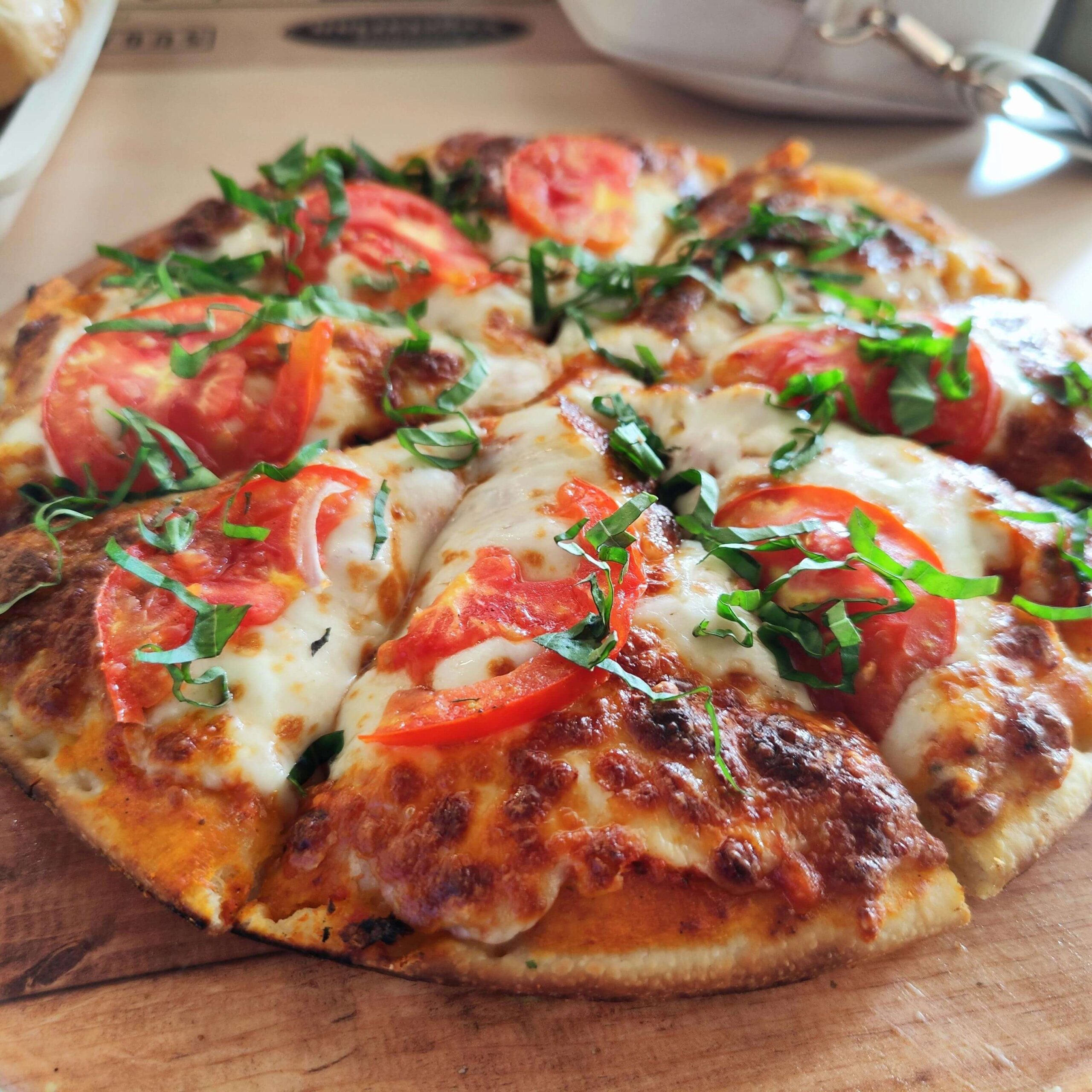
The Crosta Mollica Collezione Romana Portofino Pizza – a refined interpretation of the classic Margherita pizza inspired by the colourful charm of Portofino on the Italian Riviera.

Key product features included:
• Slow-roasted pomodorini gialli
• Creamy mozzarella bufala
• Vibrant basil salsa
• Thin, wood-fired sourdough base
• Carefully selected premium ingredients
The Crosta Mollica Collezione Romana Portofino Pizza was designed to combine artisanal craftsmanship with convenience, allowing consumers to enjoy restaurant-quality pizza directly from their own oven.

Consumer testing and methodology

To validate the product’s market appeal, Crosta Mollica conducted a UK consumer taste test with 200 respondents. Participants compared Crosta Mollica Collezione Romana Portofino Pizza against a leading takeaway equivalent across several performance categories.

Evaluation criteria

Consumers assessed the pizzas based on:
• Taste and flavour
• Topping quality
• Ingredient quality
• Texture
• Authenticity of the sourdough base
• Overall eating experience

Results

The Crosta Mollica Collezione Romana Portofino Pizza outperformed the leading takeaway competitor across all major categories.

Key findings

Consumers rated Crosta Mollica Collezione Romana Portofino Pizza higher for:
• Tastier and more premium toppings
• Better quality ingredients
• A lighter, more authentic sourdough base
• Superior texture
• Overall dining experience

The findings reinforced the growing demand for premium, authentic, and convenient at-home meal solutions.

Impact

The success of the Crosta Mollica Collezione Romana Portofino Pizza demonstrated that consumers are willing to embrace premium frozen products when they deliver on authenticity, quality, and taste.

Business outcome

• Strengthened Crosta Mollica’s premium brand positioning
• Differentiated the product from traditional frozen pizza offerings
• Validated consumer appetite for restaurant-quality experiences at home
• Enhanced competitive standing against takeaway alternatives

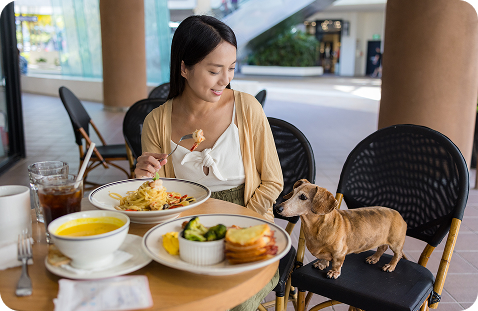
Why the correct diet matters: tackling dog obesity in the UK

Obesity has become one of the most common health issues affecting dogs in the UK. While many owners show love through food and treats, overfeeding and poorly balanced diets can have serious consequences for a dog’s long-term health. Maintaining the correct diet and portion sizes is one of the most important ways owners can support their pet’s wellbeing.

Research from the UK veterinary charity PDSA in 2023, suggested that a significant proportion of dogs in the UK are overweight or obese. Although excess weight may not always seem immediately harmful, it can lead to a range of health problems that affect both quality of life and life expectancy.

Why Obesity Is a Serious Health Concern

Carrying excess weight places considerable strain on a dog’s body. Over time, this added pressure can contribute to a number of medical conditions. Overweight dogs are more likely to develop joint problems, reduced mobility, and breathing difficulties. Extra weight can also increase the risk of developing conditions such as Type 2 Diabetes, as well as cardiovascular issues.

Studies have also shown that dogs kept at a healthy weight can live significantly longer than those that are overweight. Even a small amount of excess weight can have a measurable impact on overall health.

Because obesity tends to develop gradually, many owners may not realise their dog has gained too much weight. This is why understanding how to assess a dog’s body condition is so important.

Understanding Body Condition Scoring

Veterinary professionals often use a system known as Body Condition Scoring (BCS) to determine whether a dog is underweight, at an ideal weight, or overweight. The method assesses a dog’s body shape and the amount of fat covering key areas such as the ribs, waist, and abdomen.

Most BCS systems use a scale of 1 to 9, where:
· 1–3 indicates an underweight dog
· 4–5 represents an ideal body condition
· 6–7 indicates that a dog is overweight
· 8–9 indicates obesity

Organisations such as the British Veterinary Association encourage pet owners to become familiar with body condition scoring, as it can help them monitor their dog’s weight between veterinary visits.

How to Tell if Your Dog Is the Right Weight

While veterinary guidance is always valuable, there are several simple checks that owners can carry out at home to get a general sense of their dog’s body condition.

1. Feel the ribs

You should be able to feel your dog’s ribs easily with light pressure, with only a thin layer of fat covering them. If the ribs are difficult to feel, this may indicate excess body fat.

2. Look for a visible waist

When viewed from above, a dog should have a noticeable waist behind the ribcage. If the body appears oval or straight with no narrowing, the dog may be overweight.

3. Check the abdominal tuck

Looking from the side, a dog’s abdomen should slope upwards from the ribcage towards the hind legs. A hanging or sagging stomach can be a sign that the dog is carrying too much weight.

These checks are simple but effective ways to monitor changes over time and identify when a dog may need adjustments to its diet or exercise routine.

The Role of Diet and Feeding Habits

Diet plays a central role in maintaining a healthy weight. Even high-quality food can contribute to weight gain if portion sizes are too large or treats are given too frequently.

Owners should ensure that they are feeding the correct portion sizes for their dog’s breed, size, age, and activity level. Measuring food rather than estimating portions can help prevent accidental overfeeding. Treats should also be given in moderation and ideally factored into the dog’s overall daily calorie intake.

Regular exercise is another key factor. Daily walks, playtime, and mental stimulation all contribute to maintaining a healthy weight and preventing boredom-related overeating.

Seeking Professional Advice

If owners are unsure whether their dog is at a healthy weight, consulting a veterinarian is always recommended. A vet can assess the dog’s body condition, provide guidance on appropriate feeding amounts, and suggest dietary adjustments if needed.

Maintaining a healthy body condition is one of the most effective ways to support a dog’s long-term health. By paying close attention to diet, portion sizes, and body condition, owners can help ensure their dogs remain active, comfortable, and healthy throughout their lives.

The Packaging Research Dimensions That Actually Predict Shelf Performance

Most conversations about packaging research start and end with whether the design looks good, which is a reasonable place to begin but a frustrating place to stop. 

Visual appeal matters, of course, but it sits alongside several other dimensions that quietly determine whether your pack actually performs once it lands on a shelf or in a customer’s home, and ignoring those dimensions is how design decisions that look strong in a meeting room end up underperforming in the real world.

The brands that get the most from packaging research treat it as a multi-layered question rather than a single yes-or-no on aesthetics. They use it to interrogate how the pack functions, how clearly it communicates, how it sits within their wider range, and how it holds up across the moments that matter, from the supermarket aisle to the kitchen cupboard a week later.

This piece is about what well-designed packaging research can actually tell you when the brief goes beyond surface preference, and why broadening that brief tends to be where the commercial value lives.

What Packaging Research Should Be Measuring

Before commissioning a study, it helps to map the dimensions you actually want answers on, because a brief built around general appeal tends to produce general findings. The dimensions worth considering usually include:

  • Shelf standout: whether your pack draws attention within the cluttered context of competing products rather than in isolation on a presentation slide.
  • Comprehension and information hierarchy: whether shoppers can quickly identify what the product is, what variant they are looking at, and what makes it different.
  • Claim visibility and credibility: whether the messages you have invested in actually register and feel believable rather than getting lost in the design.
  • Functional usability: whether the pack is straightforward to open, store, dispense from, and reseal across repeated use.
  • Premium or value signalling: whether the pack supports the price position you are aiming for rather than working against it.
  • Range coherence: whether multiple SKUs read as a family while still allowing variants to differentiate clearly.

Each of these can be tested, and each tends to surface different findings, so being explicit about which ones matter most for your project is the first step toward research that genuinely helps you decide.

sensory evaluation

Why Shelf Standout Is Not the Same as Visual Appeal

A pack can look beautiful when reviewed at A3 size on a screen and still disappear on a shelf full of competitors, which is a pattern that catches even experienced teams off guard. The reason is that standout is contextual, not absolute, and a design only works if it earns attention against the specific neighbours it will sit beside in store.

This is one of the dimensions where methodology choice really shapes what you learn. Online preference work tells you which design people prefer in isolation, while shelf-based testing tells you which one a shopper actually reaches for when surrounded by familiar incumbents, and those two answers are often different. The team behind your packaging research should be able to talk through the methodology trade-offs honestly rather than defaulting to whichever approach is easiest to deliver.

The other point worth making is that standout is not always about being the loudest pack in the category. Sometimes a quieter, more confident design earns attention precisely because it does not try to compete on the same visual register as everyone else, which is the kind of insight you only get when the research is set up to capture comparative behaviour rather than abstract preference.

Comprehension, Hierarchy, and the Information Layer

Visual design is one half of the story. The other half is whether shoppers can extract the information they need within the few seconds your pack actually has to make its case, and that depends on how the design hierarchy is constructed rather than how attractive the individual elements are.

What Comprehension Testing Reveals

Research framed around comprehension can show you whether the variant cue is doing its job, whether the format is clear at a glance, and whether key claims are landing or being skipped over entirely. Shoppers asked to describe what they are looking at often reveal gaps that the design team had assumed were obvious, which is exactly the kind of finding that changes how a pack performs once it goes live.

Where the Colour Question Fits

Colour plays a significant role here, both as an attention driver and as a comprehension cue, particularly within ranges where consumers rely on colour to identify their preferred variant. There is real value in understanding how colour choices influence perception within your specific category, but colour rarely operates in isolation from the rest of the design system, so it is worth testing in context rather than as a standalone variable.

How Functional Performance Influences Repeat Purchase

Packaging research that stops at the shelf moment misses a significant part of the picture, because the experience of actually using the pack at home shapes whether someone buys it a second time. A jar that is awkward to open, a pouch that does not reseal properly, or a bottle that is hard to pour from without making a mess can all undermine an otherwise positive product experience.

These usability factors are exactly the kind of thing that single-session research struggles to capture, which is why home use testing often complements shelf-based studies when functional performance matters. The findings can also surface unexpected issues, such as packs that perform well across a single use but become frustrating after several days of repeated handling, and those patterns are difficult to anticipate without giving consumers time to live with the product properly.

Why Quantifying the Impact of Pack Changes Matters

When you are evaluating a redesign rather than developing an entirely new pack, the question shifts from whether the design works to whether it works better than what you currently have. That comparison needs to be set up carefully, because brand recognition is itself a valuable asset, and a more attractive pack that loses some of that recognition can easily produce worse commercial outcomes than the version it replaced.

Research designed to quantify the impact of packaging changes helps you weigh aesthetic improvements against potential recognition losses, so you are making the trade-off with evidence rather than instinct. The history of high-profile redesigns includes plenty of cases where the new pack scored better in isolation but performed worse on shelf because loyal shoppers struggled to find the brand they had been buying for years.

The Tropicana redesign is the example most people reach for when discussing this, partly because the costs of getting the trade-off wrong were so visible, but the underlying lesson applies to any established brand considering a meaningful pack change. Recognition is part of what your packaging is doing for you, and research that ignores it can make the redesign look stronger on paper than it will perform in practice.

Briefing Your Packaging Research for Useful Findings

Across all of this, the single biggest determinant of whether your research produces useful findings is the clarity of the brief. A study designed to answer “do consumers like this pack?” will deliver an answer to that question, but it will not tell you whether the pack will outperform competitors on shelf, whether the claim hierarchy is working, or whether the redesign is genuinely worth the investment of changing artwork and resetting production.

Defining what success actually looks like for your specific project, and which of the dimensions above matter most for that success, is the work that needs to happen before any consumer ever sees the design. Done well, that briefing conversation usually shapes the rest of the project for the better, and the resulting findings tend to connect cleanly to the decisions you actually need to make rather than sitting in a report that nobody quite knows how to act on.

Talk to Wirral Sensory Services About Your Next Packaging Brief

Packaging research delivers the most value when the questions are sharp, the methodology fits the questions, and the analysis connects back to the commercial choices on your desk. Getting that combination right is genuinely a craft, and the experience of the team running the project shows up directly in how usable the findings turn out to be.

We have spent the best part of three decades helping brands work through packaging decisions of every scale, from single-SKU launches with major retailers to range-wide redesigns where recognition and coherence both matter.

If you have a project on the horizon, or you are still working out what the brief should actually look like, we are happy to talk it through informally before anything is committed. You can reach the team on +44 (0)151 346 2999 or by email at info@wssintl.com.

How to Choose a Taste Testing Company: The Criteria That Actually Matter

taste testing

You have decided your product needs proper consumer feedback before launch, which means you are now looking at taste testing companies and trying to work out which one deserves the brief. The websites tend to sound similar, the case studies all look credible, and the pricing varies enough to make direct comparisons awkward rather than straightforward.

The choice matters more than it might first appear, because the company you commission shapes the quality of the insights you eventually act on. Methodology that looks adequate on paper but breaks down in execution produces data that misleads your decisions, which is arguably worse than running no research at all.

Most coverage of this topic explains why you should commission a taste testing company in the first place. This piece focuses on what genuinely separates the strong providers from the average ones, so you can move from a long shortlist to a confident decision with less guesswork.

Why the Choice of Taste Testing Company Shapes Your Commercial Outcomes

The reason this decision deserves real attention is that taste testing rarely sits in isolation. The findings feed directly into formulation choices, retailer presentations, marketing claims, and launch confidence, which means weak research has knock-on effects across the rest of your development process.

Brands often discover the gap between providers only after a project has finished, when the report arrives and either reads as a list of obvious observations or fails to support the decisions the business actually needs to make. By that point the budget is spent and the timeline has moved on, so identifying the right partner up front is genuinely worth the effort.

There is a useful framing here, which is that you are not really buying a taste test. You are buying the quality of decision you can make afterwards, and that quality depends on factors the website summary often glosses over.

sensory testing

What to Look for in a Taste Testing Company

Several criteria reliably separate the providers worth shortlisting from the ones who will simply run a session and hand over a deck. None of these are unreasonable to ask about during your initial conversations, and the answers tend to be revealing.

Panel Quality and Recruitment Precision

The single biggest determinant of useful results is whether the people tasting your product genuinely match your target market. A well-run taste testing service maintains an active database of panellists with detailed demographic, behavioural, and category usage data, which means recruitment for your specific audience can happen quickly and accurately rather than approximately.

It is worth asking how panels are recruited, how often individuals participate, and whether screening goes beyond age and gender into actual purchasing habits within your category. Generalist market research firms sometimes recruit on demand from broad consumer pools, which works for some research types but tends to weaken sensory work where genuine category familiarity matters.

Methodology Expertise Across Different Test Designs

Taste testing is not a single method but a family of approaches with different applications. Sequential monadic, paired comparison, repeat paired comparison, and central location testing all have appropriate use cases, and choosing the wrong design for your question produces results that look credible but answer something other than what you asked.

A capable provider will recommend a methodology based on your specific objective rather than defaulting to whatever they run most often. If the conversation about test design feels generic at the briefing stage, the eventual report is likely to feel the same way when it lands on your desk.

Sector Experience in Your Specific Category

Generic experience across food and beverage is helpful, but category-specific experience tends to produce sharper findings. A team that has run dozens of studies on dairy, ready meals, or confectionery understands the variables that affect perception within your category, including preparation conditions, serving temperatures, and the attributes consumers actually use to differentiate products.

This kind of category fluency shows up in the briefing conversation. Specialists ask sharper questions, anticipate edge cases, and connect your study to the wider role taste plays in driving repeat purchase rather than treating your project as an isolated clean-room exercise.

Statistical Rigour in Analysis and Reporting

The report you receive should do more than summarise responses. It needs to identify statistically significant differences, flag where sample sizes constrain confidence, and translate findings into recommendations that connect to commercial decisions rather than reading as a neutral data dump.

Reports that simply list scores and percentages without statistical context are easy to produce and difficult to act on. The most experienced taste testing firms build analysis that helps you decide what to do next, which is the entire point of commissioning the work in the first place.

beer sensory evaluation

Questions Worth Asking Before You Commit

Initial conversations often stay polite and high level, which is fine, but a handful of direct questions can quickly reveal whether a provider operates with the depth you need:

  • How would you recruit for our specific target consumer, and what screening criteria would you apply?
  • Which methodology would you recommend for this objective, and why over the alternatives?
  • What does the deliverable include beyond the headline findings, and how is statistical significance handled?
  • How do you handle product preparation and presentation to control for variables that could distort responses?
  • What other research services do you offer that might complement taste testing for our wider objectives?

Providers that answer these questions clearly and specifically tend to deliver clearly and specifically. Vague answers, in our experience, tend to predict vague reports.

Why Partnership Beats Project-by-Project Engagement

The other consideration worth weighing is whether you want a one-off transaction or an ongoing relationship. Both have their place, but brands that develop continuously tend to extract more value from a partner who already understands their products, their audience, and their commercial priorities.

A provider you have worked with before knows your category benchmarks, your previous results, and the questions that matter to your team, which compresses briefing time and improves the relevance of every subsequent project. This is part of what makes specialist providers different from generalist agencies who treat each engagement as a fresh start.

That ongoing context also helps when taste testing feeds into broader development decisions, because the research is being interpreted by people who already understand where each project sits within your wider product strategy and what success actually looks like for your business.

Make a Confident Choice with Wirral Sensory Services

The criteria above are not exhaustive, but they cover the factors that most reliably separate providers who deliver commercial value from those who simply complete the brief. Asking about them early in your selection process tends to produce shortlists you can trust rather than ones you spend weeks second-guessing.

At Wirral Sensory Services, we have been working with food and beverage brands on taste testing market research since 1997, building the panel infrastructure, methodology expertise, and category experience that make the difference between adequate findings and genuinely useful ones. 

Whether you are commissioning your first study or reviewing your current research arrangements, our team can talk you through what a well-designed programme might look like for your specific objectives.

If you want to discuss an upcoming project or simply explore what good looks like in this space, call us on +44 (0)151 346 2999 or email info@wssintl.com.

What happens when consumer research comes too late?

Launching a new product is a major investment. From product development and sourcing to packaging, marketing and retailer listings, brands commit significant time and budget to bringing new ideas to market.

Yet many product launches still fail to deliver the expected results.

One of the biggest reasons? Consumer research happens too late.

Too often, businesses treat consumer testing as a final-stage exercise, something carried out once the recipe, packaging and positioning have already been approved.

By that stage, making changes becomes expensive, time-consuming and difficult to implement.

The reality is that even strong products can struggle if they do not connect with consumers in the right way.

The risk of relying on assumptions

Internal teams know their products extremely well, but consumers experience them very differently.

A shopper may spend only a few seconds looking at a product before deciding whether to purchase it. If the messaging is unclear, the packaging fails to stand out, or the product experience does not meet expectations, repeat purchase can quickly disappear.

Without early consumer insight, brands can unknowingly move forward with:

· flavour or texture profiles consumers do not prefer

· packaging that fails to communicate effectively

· pricing concerns

· weak differentiation versus competitors

· positioning that misses the target audience

These issues are often much easier – and less expensive – to fix before launch rather than after products are already on shelf.

Why early research matters

Working with specialist consumer research partners allows brands to gather valuable feedback while products are still in development.

Early-stage testing can help businesses:

· optimise products before launch

· benchmark against competitors

· validate packaging and messaging

· identify sensory strengths and weaknesses

· improve consumer appeal

Most importantly, it reduces risk.

Rather than relying solely on internal opinion, brands can make decisions based on genuine consumer feedback and measurable insights.

Stronger products, stronger conversations

Consumer research is not only valuable for product development – it can also strengthen commercial conversations.

Buyers are under constant pressure to maximise category performance and reduce risk. Products supported by independent consumer testing often enter retailer discussions with stronger evidence, clearer differentiation and greater confidence.

Validated consumer data can help demonstrate:

· superior taste or quality

· stronger purchase intent

· competitive advantage

· clearer consumer preference

As we‘ve talked about previously, today’s consumers expect more than ever before. Quality, authenticity, taste, value and experience all play an important role in purchasing decisions.

At the same time, consumers are more vocal and influential. Online reviews, social media and word-of-mouth can quickly shape the reputation of a product – for better or worse.

Brands that invest in understanding consumer expectations early are often far better positioned to succeed long term.

Research should never be an afterthought

The most successful product launches rarely happen by chance.

They are built through testing, refinement and continuous improvement. Bringing consumer research into the process earlier allows brands to make smarter decisions before products reach shelves, reducing costly mistakes and increasing the likelihood of long-term success.

In competitive markets, understanding consumer perception early can make all the difference.

If you’re read this article and think that we will be able to help, then get in touch, our dedicated team are available to explain how we can assist and start you on the way to further excellence.