Which Products Benefit From Efficacy Testing

  1. Home
efficacy testing Before a product is launched, it must undergo a rigorous testing process to measure its effectiveness. Efficacy testing gives brands the evidence and the certainty that the product will perform as advertised in marketing materials. Some food, beverage, household product brands view efficacy testing as a burden and try to launch products without scientifically substantiating their claims. However, regulatory bodies in the UK and EU have hefty fines and penalties for brands that unsubstantiated marketing claims. Investing in efficacy testing holds many benefits for your brands. Efficacy testing gives consumers certainty that your product is of high quality. The trust your consumers have in your brand can lead to improved brand acceptance and increased profits. So, which products need efficacy testing? Below we provide a guide to help you take advantage of the benefits of efficacy testing.

What is Efficacy Testing?

Efficacy testing is a product research method that tests the attributes of your product. Efficacy testing allows for scientifically supported claims, which will give your brand the confidence needed to market your product ethically. Experts using scientific methodology will conduct the efficacy testing, resulting in objective metrics that you can use to support your product claims. Brands invest in packaging research to stand out on grocery shelves. Still, efficacy testing is just as crucial to building a relationship and convincing your target audience that your product performs as advertised.

How is Efficacy Testing Carried Out?

During the efficacy testing process, your product will undergo scientific testing to confirm all your marketing claims. For example, if a deodorant claims to offer 24-hour-protection, it will have to undergo rigorous testing before the claim appears on any marketing materials. There are a wide range of efficacy testing methodologies. The suitable testing method for your brand will depend on the nature of your product. Products such as antiperspirants and deodorant must undergo testing by trained assessors. Makeup products, on the other hand, undergo clinical trials. After your chosen efficacy testing company has conducted the tests, you will receive a comprehensive report containing the findings of the tests. Based on the data received, you can adjust your product or move on to sensory research to prepare your product for the market.

Which Products Benefit from Efficacy Testing?

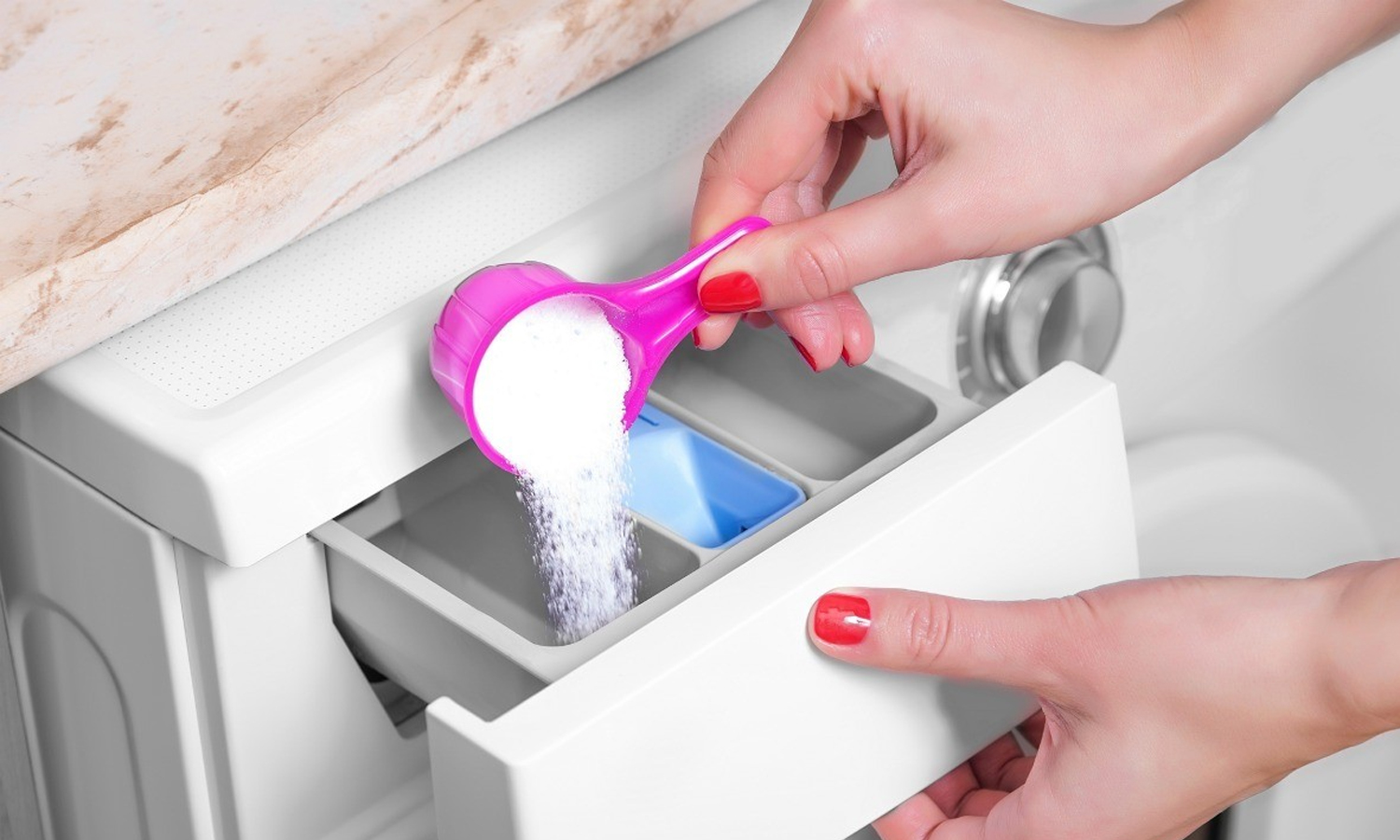
Food, beverage, personal care, home cleaning, and toiletry products are among the long list of products that can benefit from efficacy testing. There are two types of claim support testing. Product claims focus on your product’s performance. For example, “9 out of 10 people thought this product effectively cleans grease.” In comparison, competitive claims compare your product to its competitors. For example, “80% of people thought the product cleans more effectively than the leading brand.” Any product that makes a claim about its performance can benefit from efficacy testing. To determine which type of claim support your brand requires, you should contact a professional company such as Wirral Sensory Services.

Why Choose Wirral Sensory Services for Efficacy Testing?

Over the last 20 years, Wirral Sensory Services has helped UK brands develop products that consumers love and trust. We use robust product research methodologies based on your unique product requirements, delivering insightful and evidential feedback that you can use to grow your brand. Efficacy testing is not a one-size-fits-all affair. Various factors go into carrying out efficacy testing on your product. Those variable elements include claim support techniques, preparation methods, demographics, and location, to name a few. We can offer expert advice on what you need to have in place for your specific testing requirements and prevent any issues with regulatory authorities by having the tests conducted accurately by experts. At Wirral Sensory Services, we provide the support our clients need to create industry-leading products that can withstand any efficacy challenges made by competitors. Contact us today, and one of our expert team members will get you started with an obligation free quote.

Sensory Profiling vs Taste Testing: What’s the Difference?

  1. Home
taste testing Creating a high-quality product that the market will respond to requires input from experts. Whether you are a startup or an established brand, it is essential to invest in product research that gives you the certainty you need to produce a product that will thrive in your chosen market. With so many research options available, it can be challenging to know which strategy to prioritise. Some brands focus on taste testing to determine if their product will meet consumer standards. Although helpful, this research is subjective and does not guarantee market acceptance. To improve their chances of market success, brands are using sensory profiling to develop industry-leading products. So, what is the difference between sensory profiling and taste testing? Below we provide a guide to sensory research to help you choose the correct research method for your products.

What is Sensory Profiling?

Sensory Profiling is a type of product research that uses trained professionals to quantify, measure and compare the attributes of your product. The research is objective and focuses on the key parameters of your product to create a unique profile that can improve existing products or develop new competitive products. The quality of your product’s sensory profile inherently depends on your sensory panellists. It is important to use trained panellists that have above-average sensory acuity. Experienced panellists can identify the most intricate tastes and smells to produce an accurate sensory profile for your product.

What is Taste Testing?

Taste testing is a research tool that you can use to improve your product before going to market or to secure increased shelf space with supermarket and retail partners. Unlike sensory profiling, it relies entirely on responses from your target audience to determine what the average shopper thinks about your product. Acceptance testing will give you a detailed review of your product’s performance based on specific attributes, such as taste and texture. The data you receive can then be used to adjust your product to ensure that it remains competitive in the marketplace.

Why Use Sensory Profiling When Conducting Research On Your Products?

Sensory profiling gives new and existing brands the insight they need to create gold-standard products. If you are launching a new product, sensory profiling will allow you to create a more balanced and innovative product. When both these boxes are ticked, you are more likely to have a profitable product that consumers love. You can also utilise sensory research to build competitor product profiles. Understanding the composition of your competitor’s product will give you insight into your target audience’s taste preferences. The sensory profile can then create a unique product that meets consumer’s needs. Existing brands can use sensory profiling to stay ahead of market trends. Investing in sensory research will give you insight into existing consumer taste trends, which can help you create a more competitive and profitable product.

Why Choose Wirral Sensory Services for Your Sensory Profiling Needs?

At Wirral Sensory Services, we understand how difficult it is to create a unique and market-share-winning product. Once you have found a great product idea, you must choose the right product research method to ensure it maximises its potential. Sensory profiling can give you the objective feedback you need to create a profitable product. The experienced sensory panellists at WSS can give you the feedback you need to create a product that excels in the market. We have over 20 years’ experience in sensory research, making us the perfect sensory partner for your brand’s product success. We have developed sensory research plans for brands of all sizes, allowing them to create successful new products and reimagine existing lines to strengthen their position in the market. Whether you’re a new company or an existing brand, we can help develop industry-leading products. Contact us today, and one of our friendly team members will guide you through the sensory research process.

How to Create Industry-Leading Products With Product Optimisation

product optimisation Every year thousands of products are introduced to the UK market, but less than 3% of those products will enjoy a successful launch. To overcome the barriers to entry in mature markets, companies have had to find innovative ways to stand out from the crowded grocery store shelf. In recent years, product optimisation has proven crucial to the success of new products and existing brands. Through the effective use of sensory research techniques, you can now stay ahead of your competitors and develop industry-leading products. So what exactly is product optimisation? And how can it help you create a ‘gold standard’ product?

What is Product Optimisation?

Product optimisation is a powerful tool that uses techniques such as sensory profiling and consumer taste testing to understand consumer preferences. First, a qualified sensory panel will generate a product profile that measures your product’s critical features. A subsequent consumer taste test is then conducted, which allows us to understand your target market’s preferences. Product optimisation gives us valuable insight into what consumers want from their products, and this allows us to develop competitive, high-quality products in response to those needs.

What are the Benefits of Combining Sensory Research with Consumer Taste Testing?

The most significant benefits of combining sensory research and taste testing are accuracy and improved sales. By combining the sensory profile with the information gathered from the consumer taste test, we can have a deeper understanding of how, and crucially, why consumers will respond to your product in a certain way. Understanding consumer preferences and your product in this level of detail will allow a sensory research company, like Wirral Sensory Services, to provide you with a comprehensive roadmap for developing the best performing product in your consumer segment.

How did Wirral Sensory Services Help to Create a “Gold Standard” Popcorn Product?

Wirral Sensory Services have helped many clients create outstanding products. More recently, we assisted a popcorn manufacturer and helped them create a ‘gold standard’ product. The popcorn manufacturer wanted to maintain its market share while also improving sales. To achieve this outcome, they had to ensure that they had the best quality popcorn product on the market. By combining sensory profiling with taste testing, we created a reliable profile that allowed for product adjustments and enhancements. These adjustments and enhancements ultimately created a ‘gold standard’ product, leading to a dramatic increase in sales.

Why Choose Wirral Sensory Services for Your Product Optimisation Needs

Wirral Sensory Services are industry leaders in product optimisation. For over 20 years, our research methodologies have helped brands (such as the nationally-recognised popcorn manufacturer mentioned above) achieve market success. Our product optimisation process has proven to be successful for both new brands launching new products and existing brands looking to increase their market share. Our experienced sensory technicians are qualified to conduct a wide range of research, including efficacy testing, packaging research, focus group studies, and much more. If your brand requires industry-leading insight, we can help. Get in touch with us today, and one of our experienced team members will be more than happy to help you make a start on your product optimisation journey.

Prove Your Product’s Effectiveness with Efficacy Testing

efficacy testing Before launching a functional product, such as deodorant, it is essential to measure its effectiveness. Measuring a functional product’s level of efficacy allows brands to make substantive claims about their product’s performance supported by scientific research. Brands that make unsubstantiated claims in marketing materials or on the packaging of their products can run into difficulty with regulatory bodies and face hefty fines. To prevent this from happening to your brand, you should prioritise efficacy testing. But what exactly is efficacy testing?

What is Efficacy Testing?

Efficacy testing is the process of rigorously testing a product and putting it through various trials to confirm the attributes claimed in marketing materials. It is every bit as important as the sensory profiling your product went through. Even if the product appeals to consumers, they will still need scientifically-backed certainty that it will perform as described when they take it home. Products such as deodorants often claim to “offer 24-hour protection”. The claim is placed on all the product’s marketing materials such as labels, advertisements, and the company website. Efficacy testing will allow you to make these claims with confidence, as you’ll have expert scientific research to support your claims.

How Does Efficiency Testing Help to Create Brand Trustworthiness Among Consumers?

Consumers shop with certainty in mind and require evidence that products will perform as expected. To convince consumers of a product’s abilities, brands spend a lot of time and money on packaging research, marketing materials, and sample distributions. Although these marketing strategies can be effective, the most convincing evidence a customer needs is proof that the product has undergone extensive scientific testing by experts. Efficacy testing achieves this outcome by measuring a product’s performance using scientific methodology. The process is objective, and the metrics gathered during the testing process can be relayed directly to customers through your branding. Trust is an essential part of your relationship with consumers. The first step to gaining that trust is releasing a scientifically supported product that does what it claims to do.

What Are the Different Methods Used for Efficacy Testing?

There are many efficacy testing methodologies, but your product’s nature will determine which method is used. For example, make-up products must undergo rigorous clinical trials to prove their effectiveness. Antiperspirants, on the other hand, tend to undergo scientific testing conducted by trained assessors. Some products may also need to be tested in different locations, such as central testing locations or home-use testing placements. The duration of the testing period, the nature of the trial, and the feedback format all depend on your product. However, you can use all data collected during the testing process to support your product’s efficacy claims.

Why Choose Wirral Sensory Services for Efficacy Testing?

At Wirral Sensory Services, we understand how vital brand trustworthiness is for your product’s success. Our efficacy testing is designed to be objective, rigorous and relies on verified scientific methodologies. We have been providing efficacy testing services to start-ups and leading UK brands for over 20 years and have extensive experience testing a wide range of products. We have done it all, including assessing foot and oral malodour reduction products, testing antiperspirants and deodorants for in-vivo efficacy, and much more. Contact us today to find out more about how our high-quality efficacy testing services can help your brand live up to its claims.

What Is Central Location Testing?

  1. Home
central location testing According to researchers, food manufacturers waste more than £30.4 billion a year on failed product launches. However, thorough market research methods, such as central location testing and packaging research, can reduce the likelihood of failing with a new product launch. Central location testing is essential for your product’s success, as it will provide you with real-time feedback from real consumers. When conducted correctly, the unbiased feedback received from this market research can help you adjust your food or drink product to meet your target market’s needs. So, what exactly is central location testing?

What is Central Location Testing?

Central location testing is a type of product market research that is conducted in a controlled environment. Unlike home-use testing, it is not conducted at the participant’s home, allowing for more objective feedback as all participants experience the same testing conditions. Central location tests are often referred to as ‘hallway tests’ as they are frequently conducted in community settings such as supermarket aisles, shopping centres, churches, schools, and city-centre eateries. Tests can also be performed in formal testing labs, depending on the type of the product and the nature of the feedback you require.

What Are the Benefits of Central Location Testing?

Many companies prefer central location testing as it is a cost-effective way to get accurate data, making it beneficial to brands of all sizes. Central location testing allows numerous participants to physically engage with your products in a neutral setting. The location allows you to have more control over the testing process, reduce bias, and produce more accurate results. For example, if you are conducting a taste test, all participants can be given the same food product or the same beverage in the same order. All participants can also be monitored in the same way by the same researchers, which further reduces bias. When launching a new product, it is essential to gain consumer feedback. Through central location testing, you can find out what the average consumer really thinks of your product. This research method allows you to understand your food product’s specific attributes, how it compares to competitors, and where to adjust it to better meet consumer’s needs. An added benefit is the frank feedback researchers can receive from central location testing. Researchers can observe the participants’ body language, facial expressions, and sensory impressions first-hand. When using taste testing, for example, this observational data can be crucial for effective product development.

What Are Some of the Different Types of Central Location Testing Methods?

The different central location testing methods include the paired comparison test, sequential monadic test, and the repeat paired comparison test, to name but a few. The paired comparison test gives researchers insight into how two products compare against each other. The test is conducted by providing participants with two products and a standardised set of criteria. Participants are then asked to assess the two products simultaneously against the standardised criteria provided. During the sequential monadic test, participants assess two different products individually and then simultaneously. Consumers tend to exaggerate the difference between products when assessing them simultaneously. To overcome this inherent bias, the paired comparison test sees participants assess the products individually first. After their initial individual evaluations, both products are to be assessed simultaneously. Participants can then rank the products more accurately. The repeat paired comparison test, on the other hand, aims to reduce bias and subjective participant preferences for a product through repetition. During the test, participants compare the same set of products two or more times. The repetition ensures that the initial feedback provided by participants was accurate and not random. For example, a product could be packaged in a blue container, but the participants could dislike the colour. This participant’s initial feedback may be biased because they dislike the packaging. However, after re-evaluating the same product, the participants will be more likely to move beyond their subjective dislikes, allowing for more accurate feedback.

Why choose Wirral Sensory Services for Your Central Location Testing Needs?

Central location testing allows researchers to gather valuable data if the correct testing method is used. With so many different central location testing methodologies to choose from, you need to consult an experienced research company such as Wirral Sensory Services to determine the most suitable method. Your central location test must also be designed and planned by qualified researchers to ensure that you get data that can truly benefit your product. Here at Wirral Sensory Services, we have been providing central location testing services to leading food and beverage brands for over 20 years. Our team of trained researchers have helped many clients develop products that consumers love and trust. Whether you are a startup testing a new product or an established brand trying to expand your market share, we can provide expert central location testing that helps you reach your objectives. Are you ready to start central location testing for your product? Contact us today, and one of our expert team members will be on hand to help you start your consumer research journey.

What Are Some Of The Different Research Methods Involved In Food Testing?

sensory testing Food testing is an essential part of the successful launch of any new food product. Market research is essential for food companies because this is one of the most competitive consumer markets. Over the last few years, the UK food and drink industry has experienced rapid growth, making it ripe for new product development. According to a recent study, UK citizens spent nearly £250m extra on groceries every week in 2020, marking a 30% increase in grocery spending. Sadly, the increase in consumer spending does not guarantee that your product will be flying off the shelves. To grab and cement your position in the market, you will need to develop a high-quality product, which is only possible with thorough market research. Food testing research allows you to understand how consumers will respond to your product and gives you an opportunity to make the necessary adjustments. But which research methodology is suitable for your product? There are several research methods involved in food testing. The right food research method will depend on your product’s unique characteristics. Below we discuss the different food research methods that can help your product succeed.

Taste Testing

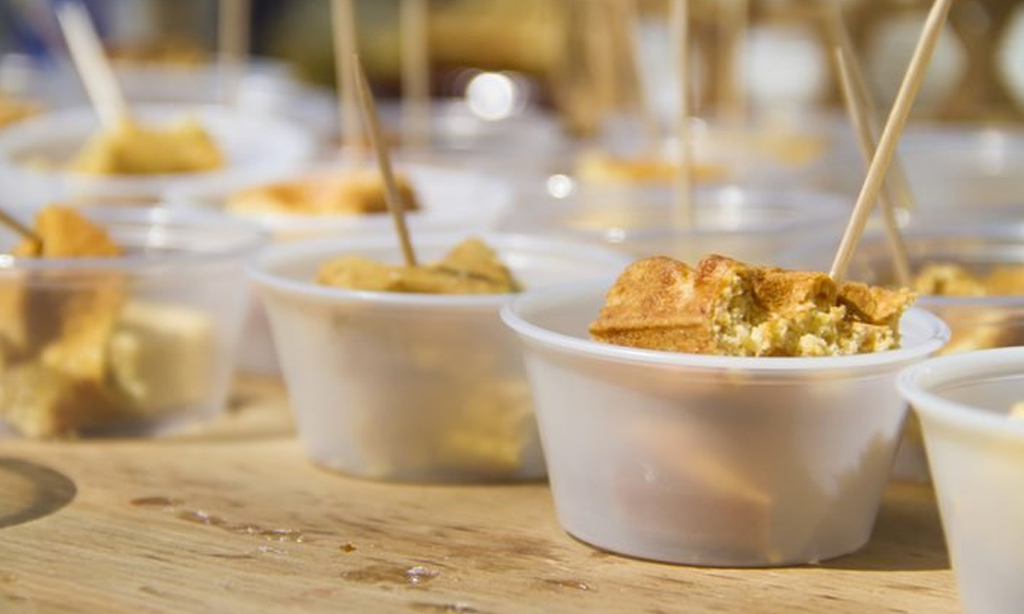
Product acceptance research, such as taste testing, allows you to understand how your target audience will respond to your product. The research can be conducted using central location testing or home-use testing. The data gathered from taste testing can help you adjust your product in accordance with consumer tastes, or you can use it to gauge how competitive your product is in the market. New products entering the market can use the data acquired from taste testing to reassure retailers that there is a demand for their product. The reassurance can go a long way to securing shelf space in busy UK supermarkets. Taste testing can be used to determine how your product compares with your competitors. Using this data will allow you to approach new customers with proof that your product outperforms competitors, or you can use those insights to improve your existing products. An added benefit of this research method is increased exposure to your target market, which, in turn, can increase sales.

Sensory Profiling

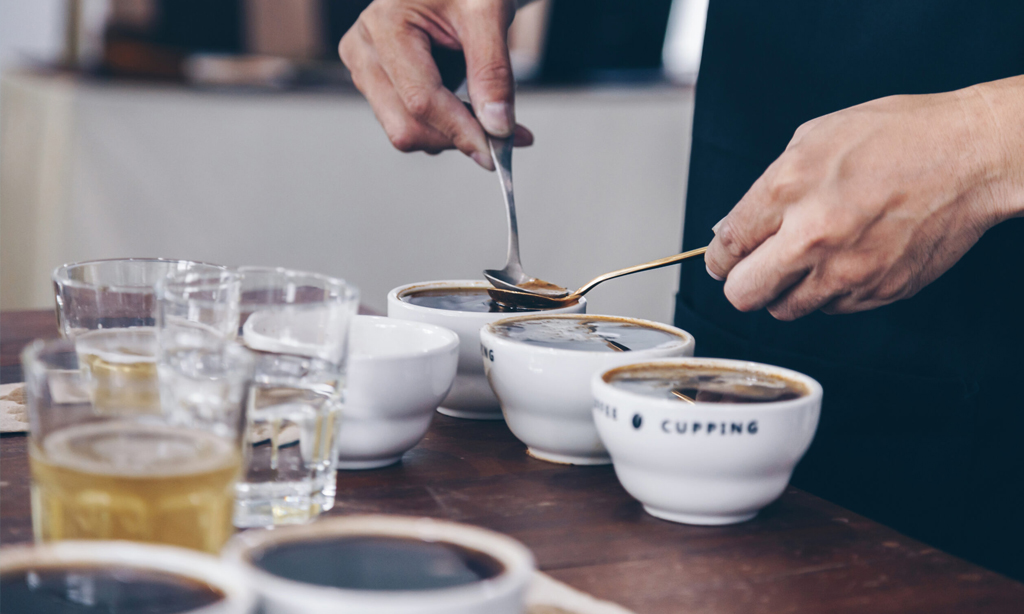
Sensory research takes the ‘liking’ out of product research and relies on trained panellists to measure your product against critical parameters. These measures are then used to create a unique sensory profile of your product or a competitor’s. Unlike taste testers, sensory panellists have a higher than average sensory acuity, which gives them a greater ability to identify different smells and tastes. Experienced sensory panellists can provide comprehensive overviews of various product changes that can allow you to develop the best tasting product, and consequently, maximise your sales.

Focus Group Study

Focus group studies are a form of qualitative research that will allow you to understand consumer opinions and reasoning. The studies generally see eight respondents come together and discuss research topics in detail for up to two hours. These discussions are not chit-chats among friends. Instead, respondents are led by accredited moderators and are focused on providing detailed feedback that can be invaluable in the early stages of your product development. Focus group studies can help you develop an effective new product launch or help you gain feedback on product design.

Packaging Research

Your product’s packaging is a fundamental part of its market success. Customers buy with their eyes. If your product fails to stand out from the shelf, it is less likely to make its way to a customer’s basket. Packaging research helps you make the right first impression, tempting your potential customers into buying your product. Through proper packaging research, you will be able to convey your intended message to customers, promote your product, and correctly position your efficacy claims. Packaging research can be conducted through central location testing by replicating a supermarket shelf and allowing participants to pick up tangible products. The testing can also be conducted virtually, with participants evaluating various on-screen packaging options. Packaging research methodologies can provide accurate, detailed results that will help you develop and improve your product before launching it onto the market.

Why Choose Wirral Sensory Services for Your Food Testing Needs?

Wirral Sensory Services (WSS) have been conducting tailored food and market research for over 20 years. Our research has helped brands across the UK optimise their products, improve customer satisfaction, and ultimately, increase sales. At WSS, we understand how important it is for your product to stand out from among the crowded shelves in retail environments. Whether you are a startup or a global brand, our wide range of research methodologies can help your business research its goals. Get in touch with us today to find out more about how we can help you develop industry-leading products.