Launching a successful product hinges on understanding how consumers will truly perceive it. While methods like home use testing offer valuable real-world insights, sometimes you need a more controlled environment to gather precise, unbiased feedback, especially for sensory attributes or when direct observation is key. This is where Central Location Tests (CLTs), often referred to as “hall tests,” become an indispensable tool in your research arsenal.Conducting research in a dedicated, controlled setting allows you to minimise variables, directly compare products under identical conditions, and observe consumer reactions firsthand. But what exactly does a CLT involve, and why should it be a critical part of your product development strategy?Let’s explore the power of Central Location Tests, why they are essential for gathering accurate data, different ways they can be structured, and key considerations for success.
Unrivalled Precision and Bias Elimination: The Crucial Advantages of Central Location Testing
CLTs offer distinct benefits that other methodologies might not capture, primarily stemming from the controlled and more precise nature of the environment:
Enhanced Control and Consistency
The core strength of a CLT lies in its controlled setting. Testing in a dedicated facility ensures every participant experiences the product under identical conditions – consistent lighting, temperature, preparation (if applicable), and instructions. This minimises external variables, ensuring feedback directly relates to the product itself, leading to more reliable and comparable data.
Ideal for Sensory Evaluation
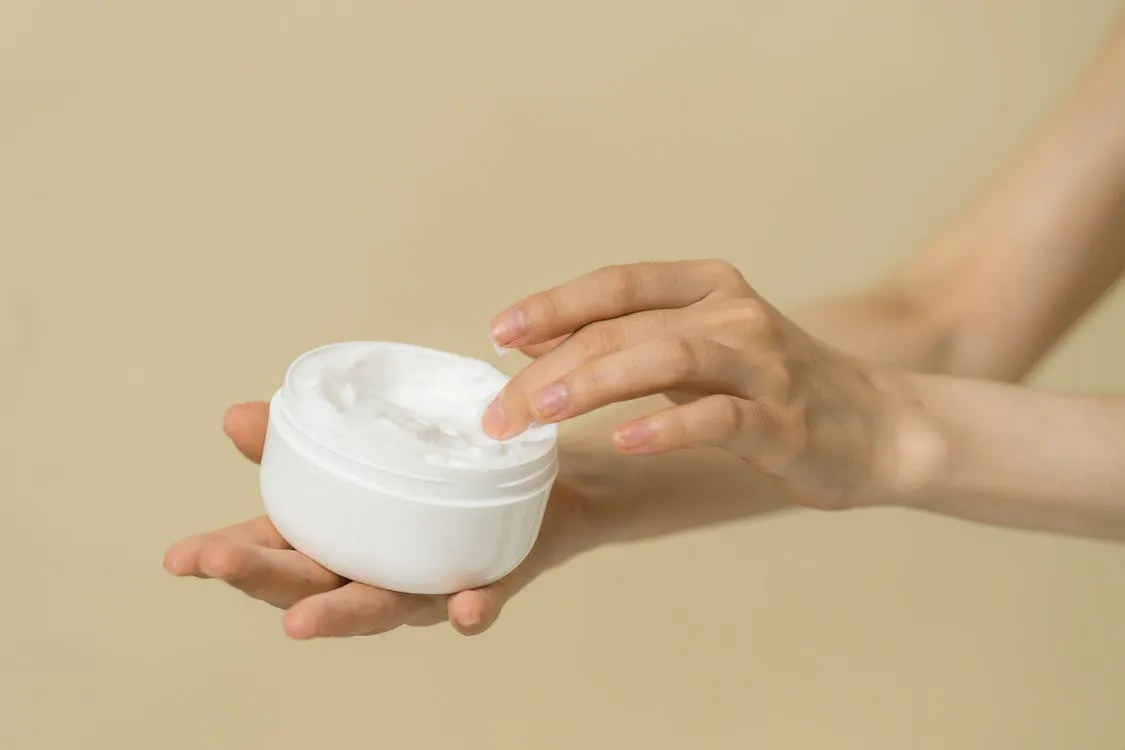
For products where taste, smell, touch, or immediate visual appeal are critical, CLTs excel. Evaluating the flavour profile of a new beverage, the texture of a food item, the fragrance of a personal care product, or the initial appeal of packaging benefits immensely from the immediate, focused sensory feedback possible in a controlled test.
Rich Observational Data
Being present allows researchers to capture more than just survey answers. Observing participants’ body language, facial expressions, hesitation, or spontaneous comments provides invaluable qualitative data, adding depth to quantitative scores. You see how they interact, not just what they say afterwards.
Reduced Bias
A neutral location helps minimise biases from a participant’s home environment or brand familiarity (especially in blind tests). Standardised procedures ensure every participant follows the same steps, making the data robust.
Logistical Simplicity & Security
For prototypes, confidential items, or products requiring specific preparation (like cooking), CLTs offer logistical advantages over shipping individual samples. It ensures product integrity and simplifies the process.
Real-Time Probing
Trained moderators can ask immediate follow-up questions to clarify ambiguous responses, gaining a richer understanding than static surveys might allow.
Monadic Testing: Participants evaluate only one product in isolation. This is excellent for understanding overall liking, diagnosing strengths and weaknesses, and determining if a product meets acceptable standards on its own merits.
Paired-Comparison Testing: Participants are presented with two products simultaneously (often blind) and asked to state their preference based on specific attributes or overall liking. This is ideal for direct competitive product benchmarking or choosing between two prototypes.
Sequential-Monadic Testing: Participants first evaluate one product (monadically), then evaluate a second product (monadically), and finally may be asked to state a preference. This provides individual product diagnostics and a comparative preference, often seen as reducing the interaction bias found in pure paired-comparison tests.
Proto-Monadic Testing: Participants evaluate one product, then are presented with a second product and asked to compare it to the first. The order is typically rotated to avoid bias.
Key Aspects to Get Right for Effective Central Location Tests
Participant Recruitment: Ensuring participants accurately represent your target demographic is paramount. Robust screening is essential.
Venue Selection: The location must suit the product and research goals, be accessible, comfortable, and free from distractions. This could range from sensory booths to commercial kitchens.
Clear Objectives & Survey Design: Define precisely what you need to learn. Design questionnaires logically, using clear language and appropriate scales.
Expert Moderation: Trained, impartial staff are vital for administering tests correctly, managing logistics, observing participants, and probing effectively without introducing bias.
Ensuring the above elements align perfectly with your requirements is often the difference between extracting high-quality, reliable data and being left with biased outcomes that lead to poor product development choices.
Leverage Central Location Test Insights for Product Success Today
Central Location Tests (CLTs) provide a unique and controlled window into consumer perception, essential for validating sensory attributes, comparing prototypes, understanding immediate reactions to packaging, and gathering unbiased feedback. The insights gained from well-executed CLTs can significantly reduce the risk associated with product launches and reformulations, guiding development towards consumer preferences and market success.At Wirral Sensory Services, we conduct sensory and consumer research for the food, beverage, personal care, and household product industries, helping brands make data-driven decisions. We have run thousands of CLTs in our two-plus decades of operation and can help you uncover high-value insights into your product’s performance in neutral, highly controlled settings. If you’re considering how CLTs could benefit your next project or wish to discuss specific research needs, our experienced team is ready to help. Contact us for an informal chat or a full briefing at +44 (0)151 346 2999 or email info@wssintl.com with your requirements.
You understand that listening to your target audience through consumer testing is vital before launching or reformulating a product. It can illuminate preferences, uncover potential issues, and ultimately guide your product towards market success. However, simply conducting any test isn’t enough. The quality and reliability of the insights depend heavily on how the research is designed and executed. Poorly planned tests can yield misleading data, potentially leading to costly missteps, whereas focusing on best practices ensures your investment in consumer testing delivers clear, actionable results. With that in mind, let’s explore key considerations for designing and implementing consumer research that truly informs your product development strategy rather than leading you in the wrong direction.
Start with Strategy: Defining Clear Research Objectives
Before considering methodologies or participants, clearly define what you need to learn. Are you validating a new concept? Comparing your prototype against a competitor? Understanding usability issues? Refining packaging design? Or gauging overall product acceptance? Having specific, measurable objectives is the foundation of effective consumer testing. Vague goals lead to unfocused research and ambiguous results. Therefore, undertake the required steps to know precisely what questions need answering so they can guide every subsequent decision in the research process, from methodology selection to questionnaire design.
Choosing the Right Consumer Testing Approach: Aligning Methodology with Objectives
Once you’ve honed your research objectives, they will heavily influence the most appropriate methodology. A Central Location Test (CLT) might be ideal for controlled sensory evaluations, such as sensory profiling or taste testing. Meanwhile, Home Use Testing (HUT) allows for understanding product performance in a real-world context over time. Focus Groups can provide deep qualitative insights into motivations and perceptions, while online surveys offer a cost-effective way to gather quantitative data from a large audience. Selecting the method (or methods) that best aligns with your specific objectives is crucial for gathering relevant data, and there’s no rule to say that you can’t combine multiple consumer research methods to deliver the best possible data and insights.
Finding Your Audience: Best Practices for Participant Recruitment
Gathering insights from the right people is fundamental. Your data is worthless if it’s been extracted from the wrong customers. Thus, there should be lots of thought and effort put into recruitment. Make sure you or your consumer research partner(s):
Precisely define your target consumer based on relevant demographics, behaviours, and attitudes.
Develop robust screening questionnaires to ensure recruited participants genuinely fit the target profile and meet study criteria.
Determine an adequate sample size, particularly for quantitative studies, to ensure findings are statistically reliable.
Consider the need for diversity within your target group to capture a range of perspectives.
Manage recruitment logistics efficiently, including clear communication, scheduling, and appropriate incentives to encourage participation and minimise dropouts.
Ensuring Quality Execution and Analysis for Consumer Tests
It almost goes without saying that the quality of execution will directly impact your data integrity. For moderated sessions (like focus groups or some CLTs), using highly trained and experienced moderators is vital to guide discussions effectively and without bias. For all methodologies, implementing data validation checks helps ensure responses are genuine and complete. Finally, applying appropriate analytical techniques (statistical analysis for quantitative data, thematic analysis for qualitative data) is essential to accurately interpret the findings and extract meaningful insights. Rushing analysis or using incorrect methods can undermine the value of the entire research effort, so it pays to partner with experts who’ve done these projects hundreds of times before and have a long track record and deliver top-tier insights.
Transforming Feedback into Actionable Product Strategy
Effective consumer testing is more than just asking questions. It’s a strategic process requiring careful planning, precise execution, and thoughtful analysis. Adhering to best practices in design and implementation ensures the feedback you gather is reliable, relevant, and ultimately actionable. These insights empower you to make informed decisions, refine your product, mitigate risks, and increase your chances of success in a competitive marketplace, so it’s critical that you get it right the first time. At Wirral Sensory Services, we’ve been conducting robust sensory and consumer research across the food, beverage, personal care, and household product sectors since 1997. Our expertise lies in designing and executing research methodologies, including all manner of consumer testing, that deliver clear, dependable insights.If you need guidance on designing an effective consumer testing project or wish to discuss how robust research can support your product goals, our experienced team is available. Contact us today at +44 (0)151 346 2999 or email info@wssintl.com with your requirements, and one of our colleagues will be in touch as soon as possible.
Understanding how a product is perceived through the senses is crucial for success. In that regard, sensory profiling aims to provide an objective, detailed description of a product’s sensory characteristics. Unlike consumer testing, which measures liking and preference, sensory profiling dissects the ‘what’ – the specific attributes and intensities that make up a product’s sensory fingerprint. Achieving this level of objective detail isn’t possible with just any group of people. It relies heavily on a specialised group: the trained sensory panel.But what makes these panels different, and why are they indispensable for obtaining reliable sensory data that can truly guide product development and quality control? Let’s explore the role and rigorous nature of trained sensory panels.
More Than Just Tasting: What Makes a Panel ‘Trained’?
Becoming part of a trained sensory panel involves much more than simply having functional senses. Potential panellists undergo screening to assess their sensory acuity (their ability to detect subtle differences in taste, smell, texture, etc.) and their ability to describe sensations accurately. Those selected then participate in intensive training. This involves learning a specific, standardised vocabulary to describe sensory attributes relevant to the product category (e.g., food, beverages, personal care). They practice identifying and rating the intensity of these attributes consistently, often using reference standards. Through calibration exercises, they learn to align their judgements with the rest of the panel, effectively becoming highly calibrated analytical instruments capable of providing objective measurements.
Objective Measurement: The Trained Panel Advantage
Using a trained panel offers distinct advantages for generating reliable sensory data:
Quantifying Specific Attributes
Trained panellists don’t just say if they like something. They evaluate and score the intensity of predefined characteristics. For a biscuit, this might include ‘crunchiness’, ‘sweetness’, ‘butter flavour intensity’, ‘crumbliness’, etc., using precise scales.
The rigorous training and use of standardised language and scales minimise variability between panellists and across different testing sessions. This leads to repeatable, dependable data essential for tracking changes or making comparisons.
Separating Description from Preference
The core task is objective description. Panellists are trained to set aside personal likes or dislikes and focus solely on identifying and quantifying the sensory properties present in the product.
How Objective Sensory Data Drives Product Strategy
The detailed, objective data generated by trained panels provides a powerful foundation for various strategic activities:
Creating comprehensive sensory ‘fingerprints’ that define a product’s key characteristics.
Objectively benchmarking products against key competitors to identify sensory gaps or advantages.
Guiding reformulation efforts by providing specific attribute targets (e.g., “increase citrus aroma intensity by 1 point”).
Monitoring product quality and consistency over time or across different manufacturing sites.
Developing sensory specifications for ingredients or final products.
Providing objective evidence to support specific product claims related to sensory attributes.
How Sensory Profiling and Consumer Testing Can Work Together Harmoniously to Guide Product Development
It’s important to recognise that trained panel sensory profiling and consumer testing serve different, yet complementary, purposes. Sensory profiling provides the objective, diagnostic ‘what’ – a detailed map of the product’s sensory attributes. On the other hand, consumer testing provides the subjective ‘liking’ and ‘why’ – understanding how target consumers perceive the product and which attributes drive their preferences. Using insights from both methodologies gives you a complete picture, allowing you to understand the technical sensory profile and its likely impact in the marketplace.
Leverage Expert Panels for Superior Product Insights with Wirral Sensory Services Today
Objective sensory profiling, powered by meticulously selected and trained panels, offers a level of detailed, reliable sensory information that consumer testing alone cannot provide. This data is invaluable for guiding product development, ensuring quality, understanding competitors, and making informed strategic decisions. The expertise required to recruit, train, and manage these panels, as well as to design effective studies and interpret the complex data, is significant.At Wirral Sensory Services, we specialise in sensory profiling and have managed highly trained sensory panels for almost three decades. Our experience across food, beverage, personal care, and household goods allows us to generate the precise, objective sensory data needed to optimise your products and support your brand’s success.If you need to understand the detailed sensory characteristics of your product or benchmark it against the competition, our expert team is ready to assist. Contact us today at +44 (0)151 346 2999 or email info@wssintl.com to discuss how our trained sensory panels can deliver the insights you need.
Many product development teams view sensory research as simply another expense on their balance sheet. This perspective often leads to minimising or even eliminating crucial testing phases to “save costs” during development without considering the long-term financial implications.The numbers tell a sobering story about product development success rates. According to Nielsen research, approximately 76% of product launches in the UK grocery sector fail within their first year on the market. This represents millions of pounds in wasted development, production and marketing costs that could have been prevented through proper research.Comprehensive sensory research delivers measurable financial returns that far outweigh its costs, transforming what many view as an expense into a powerful profit-protection mechanism. However, the true financial power of sensory testing lies in its capacity to identify specific product attributes that drive purchase intent, pinpoint potential sensory issues before they reach consumers, and provide quantifiable data to support product claims.Let’s look at these factors in more detail and show you how well-executed sensory research delivers significant and impressive returns on investment.
The Hidden Costs of Inadequate Sensory Research
Failed Product Launches
When you bring a new product to market in the UK food and beverage sector, you’re making a substantial investment in research, development, manufacturing, and marketing. If that product fails, your investment essentially vanishes. The numbers are sobering, with failed product launches costing the UK grocery sector £30.4 million per year on average.To give you an example of how this scenario often plays out, let’s say you rush a “healthier” version of your product to market. In your eagerness to capitalise on current trends, you reduce or skip comprehensive sensory testing. When consumers reject your product based on taste, texture, or other sensory attributes, you face not only the immediate financial losses but also potential damage to your brand perception and retailer relationships. It’s a situation no product developer wants to find themselves in.
Post-Launch Reformulation Expenses
You’ll find the financial implications of reformulation are significant. Your investment in comprehensive pre-launch sensory research represents just a fraction of what you’ll spend on post-launch changes. When your products require reformulation after launch, you must absorb manufacturing adjustments, packaging redesigns, and additional marketing to reintroduce your product.These costs don’t even account for the damage to your retailer relationships. The major supermarkets you work with charge slotting fees for shelf space. When your products underperform due to sensory issues, these retailers become hesitant to allocate shelf space to your future launches. You might need to offer increased incentives and margin concessions, creating a financial ripple effect that extends far beyond the immediate reformulation expenses and affects your entire product portfolio’s commercial performance.
Quantifiable Benefits of Robust Sensory Research
At Wirral Sensory Services, we’ve seen how properly executed sensory research services deliver measurable financial benefits that go well beyond simply helping you avoid failures. These benefits transform your product development process:
Risk reduction: Your comprehensive testing can significantly reduce launch failure probability, representing substantial potential savings across your product portfolio.
Targeting precision: When you optimise sensory profiles, you increase target audience appeal, translating to higher initial sales velocities and reduced promotional spending.
Claim substantiation: Your proper sensory testing provides evidence for product claims, reducing your risk of regulatory challenges that can become costly to address.
So, when you’re calculating the value of comprehensive testing, consider both the probability of failure reduction and your potential loss magnitude. The investment in thorough sensory research typically returns value that far exceeds your testing costs.
Creating Your Sensory Research ROI Framework
Measuring What Matters
When you establish the right metrics, you transform sensory research from a cost into a strategic investment. Your most revealing KPIs should include:
Reformulation reduction rate: Track the percentage of your products requiring post-launch changes. With a robust sensory programme, you’ll typically achieve rates significantly below industry averages.
First-time acceptance rates: Monitor the proportion of your products meeting consumer acceptance thresholds in their first iteration. This metric helps you quantify the effectiveness of your sensory programme.
Promotional efficiency: Measure your promotional spending as a percentage of sales for properly tested products versus minimally tested ones. You’ll often see significant differences in efficiency.
Industry observations suggest that when you invest appropriately in sensory research, you’ll experience better new product development (NPD) success rates than companies making minimal investments. For realistic ROI measurement, establish timeframes that match your product lifecycle – typically considering both short-term performance assessment and longer-term evaluation.
Practical ROI Considerations
While complex models exist, there are more straightforward approaches that provide you with meaningful insight. For instance, you can consider the financial benefits from your avoided failures, additional revenue from your improved products, and compare these to your testing costs.For a more comprehensive approach, consider developing a model that accounts for both your short and long-term benefits:
Your short-term factors: Avoided reformulation costs, faster time-to-market.
Your medium-term factors: Increased consumer acceptance, reduced promotional spending.
Your long-term factors: Enhanced retailer relationships, improved brand perception metrics.
When you properly structure your sensory research programme, you’ll typically see a return on investment with payback periods well within your product’s first year on the market, making it one of the highest-return investments available within your product development process.
Maximise Your Sensory Research Investment Today with the Help of Wirral Sensory Services
Integrating sensory analysis into your financial thinking requires a paradigm shift – from viewing testing as a technical requirement to recognising it as a strategic business investment.When you treat sensory research as both risk management and opportunity enhancement, you’ll see the benefits multiply. While preventing costly failures provides immediate financial benefits, the compounding value comes from creating products with superior sensory profiles that drive repeat purchase behaviour, premium pricing opportunities, and positive word-of-mouth effects.If you manage to properly structure and execute your sensory research projects, you can expect returns that consistently exceed your investment. This makes it not merely a development step to consider but a business imperative that protects your margins, accelerates your growth, and creates sustainable competitive advantage in increasingly crowded markets.So, if you’re in the midst of developing new product lines, either as a startup or an established brand, we’d love to help you develop a customised sensory research programme that delivers measurable financial returns for your specific product portfolio and business objectives. Get in touch with us at Wirral Sensory Services to discuss how we can support your success.
Remember when product feedback was mostly limited to focus groups and customer service calls? Those days are long gone. Today, one disappointed customer with a smartphone can create a viral sensation that reaches millions of potential buyers in hours. In this social media landscape, the gap between what your product promises and what it delivers has never been more visible – or more dangerous to your brand’s reputation.You’ve seen them – those devastating “expectation vs. reality” posts that juxtapose your glossy marketing images with a customer’s unflattering real-world results. They spread like wildfire, generating thousands of shares, comments, and sometimes even mainstream media coverage. But here’s the good news: thorough efficacy testing can help you avoid becoming social media’s next cautionary tale. Let’s look at how you can use this invaluable research method to safeguard your product from the pitfalls of online scrutiny.
When Products Go Viral (For All the Wrong Reasons)
Just how quickly can things go wrong in today’s connected world? Consider these scenarios:Let’s use an example of a skincare brand that claims their new serum “visibly reduces wrinkles in 7 days.” But when hundreds of customers don’t see results after two weeks, they start posting side-by-side photos with biting captions like “Day 1 vs. Day 14 – can YOU spot the difference? Because I can’t!”Or imagine launching a household cleaner that “removes 99% of tough stains” only to have influencers create viral challenge videos showing your product struggling with everyday messes. These posts don’t just reach a few hundred people. They can reach millions, permanently attaching negative associations to your brand name in Google searches.The consequences go far beyond momentary embarrassment. According to research, a single viral negative campaign can reduce purchase intent. One study of TikTok users found that negative comments pushed 83% of consumers to avoid purchasing a product. That’s a very serious and tangible outcome from online negative word of mouth.
The Real Cost of Unsubstantiated Product Claims
When your product fails to deliver on its promises in today’s social media environment, the financial impact can be severe:
Immediate sales drops as negative posts gain traction
Costly emergency reformulations and rebranding efforts
Increased marketing spend needed to counteract negative impressions
Retailer confidence damage that affects future product launches
Regulatory penalties if claims are deemed misleading
These financial consequences add up quickly. It’s not uncommon for brands to lose millions in revenue, face costly product recalls, and spend double or triple their original marketing budget trying to repair reputation damage from a single viral product failure. Thus, the return on investment for proper efficacy testing becomes crystal clear when compared to these potential losses.
How Efficacy Testing Can Create Your Social Media Shield
This is where proper efficacy testing becomes not just important but essential for your brand’s protection. But what exactly is efficacy testing?Efficacy testing involves a series of experiments and trials designed to measure whether your product performs its intended function effectively under real-world conditions. It’s your scientific validation that what you claim on your packaging and in your marketing actually happens when customers use your product.Unlike the subjective nature of basic product testing, efficacy testing provides objective, measurable data about performance. For example, rather than just asking, “Do you like this moisturiser?”, efficacy testing measures specific outcomes like “Does skin hydration increase by 20% after 8 hours of use?”The types of efficacy testing you might need depend on your specific product claims:
Clinical trials: Often used for skin care, pharmaceuticals, and health-related products
Consumer testing: Real users providing feedback on real-world product performance
Laboratory testing: Controlled environment testing that provides precise measurements
Home use testing: Assessing how products perform in actual home environments
When you invest in comprehensive efficacy testing, you’re essentially creating a shield against social media backlash by ensuring the gap between expectation and reality is minimal or non-existent.
Beyond Defense: Turning Efficacy into Social Media Gold
There’s another side to this story that’s equally powerful. Proper efficacy testing doesn’t just protect you from negative viral content. It can help generate positive viral content, too.When your products genuinely deliver on their promises, customers become your most persuasive advocates. They create before-and-after content that validates your claims, write glowing reviews, and defend your brand against sceptics. This user-generated content is marketing gold in the social media age.Think about it – which would you find more convincing: a brand claiming their product works, or seeing dozens of real customers posting evidence that it works? By ensuring your products deliver through proper efficacy testing, you’re setting the stage for authentic customer testimonials that can spread just as quickly as negative content – but with entirely different results for your business.
Take Your Next Steps Toward Social Media-Proof Products with Expert Efficacy Testing
Ready to ensure your products can withstand social media scrutiny? At Wirral Sensory Services, we specialise in developing customised efficacy testing protocols that address the unique challenges of today’s connected consumer landscape.Our experienced team can help you identify potential gaps between your product claims and performance before they become viral social media content. We’ll work with you to develop testing that reflects real-world usage scenarios and provides the objective data you need to market with confidence.Don’t wait for a social media crisis to highlight the importance of efficacy testing. Protect your brand’s reputation and set the stage for positive customer experiences by contacting us today for a consultation. Whether you’re launching a new product or wanting to validate an existing one, we’re here to help you thrive in the age of social media transparency.Call us now on +44 (0)151 346 2999 or email info@wssintl.com to get the ball rolling on your efficacy testing project.
As a brand, you’ll already understand the importance of creating products that meet the needs and expectations of your target audience. Consumer testing is a well-known critical component of this process, allowing you to gather valuable feedback and insights that inform product development and marketing strategies. But have you given much thought to when you conduct this vital consumer research? When you conduct consumer tests, it may have a massive impact on the results and, therefore, any conclusions you may draw from them. You might have already experienced this, with consumer testing being conducted too late, or too infrequently, resulting in missed opportunities or unforeseen consequences. For example, a product launch may have been delayed due to unforeseen issues that could have been identified through earlier testing. Conversely, you may have seen instances where consumer testing was conducted at the right time and with the right methods, resulting in significant improvements to product development and marketing strategies. Given that’s the case, let’s provide you with some practical guidance on some of the most strategic periods for leveraging this powerful tool to drive business growth and success.
The Pre-Launch Phase: Conducting Consumer Testing for Product Development
Conducting consumer testing during the pre-launch phase is crucial for product development. This stage allows you to validate your product concept, ensuring it meets the needs and expectations of your target audience. Consumer testing at this stage can also help identify potential issues, such as usability problems or design flaws, and inform product development decisions. Crucially, identifying any potential issues early on can save you from costly mistakes and reduce the risk of product failure. Product features, packaging, and marketing messaging can all be refined based on consumer feedback. A company that conducts consumer testing on a new food product, for example, may discover that the packaging is not appealing to its target audience. This feedback can be used to make targeted changes, increasing the product’s chances of being selected on supermarket shelves.Investing in consumer testing during the pre-launch phase can have a significant impact on your product’s success. It allows you to create a product that is tailored to your target audience’s needs and preferences, leading to increased customer satisfaction, loyalty, and business growth. In many cases, effective consumer testing can be the difference between a successful product launch and a costly failure, making it an essential step in the product development process.
In-Market Consumer Testing: Refining Your Product and Marketing Strategy
Conducting consumer testing once a product is already in the market is crucial for refining your product and marketing strategy. As you gather feedback on product performance and identify areas for improvement, you can make data-driven decisions to optimise product positioning. Your product optimisation efforts will be informed by key drivers of consumer preference, while product acceptance research will provide valuable insights into your target audience’s attitudes and behaviours. Additionally, product benchmarking will allow you to compare your product’s performance to that of your competitors.The market is constantly evolving, and consumer trends and developments are changing rapidly. To stay ahead of the competition, you must continually gather feedback and iterate on your products and marketing strategies. This involves refining your marketing strategies, optimising your product positioning, and making strategic decisions to drive long-term success. By doing so, you will be able to achieve your business goals in an ever-changing market picture, ultimately driving growth and improving customer satisfaction for your brand.
Revitalising a Mature Product: The Role of Consumer Testing in Relaunch and Reformulation
As your product matures and gradually loses market share, it’s essential to revamp and relaunch to stay competitive. Conducting consumer testing at this stage can help you evaluate the reasons behind the decline and identify opportunities for reformulation or repositioning. By gathering feedback from your target audience, you can gain valuable insights into their changing needs and preferences, and develop a strategy to revitalise your product. This may involve reformulating the product itself, updating packaging or branding, or adjusting your product’s sensory profile to better meet consumer expectations.For example, you might use taste testing to identify the optimal flavour profile or texture for a revamped product or to refine its sensory characteristics to better meet consumer preferences. Either way, leveraging consumer testing in this way allows you to breathe new life into a mature product and restore its competitiveness in the market.
Optimising Consumer Testing for Maximum ROI: Partnering with Wirral Sensory Services
Successful consumer testing demands a careful blend of expertise, resources, and strategic planning. You can create a testing process that consistently delivers actionable insights by maintaining continuous dialogue with your target audience, mapping their evolving preferences, and validating your findings through rigorous testing.At Wirral Sensory Services, we understand the nuances of consumer testing and its role in driving business growth. Our expert team combines decades of experience in sensory evaluation and consumer research with cutting-edge testing techniques to guide your consumer testing journey.So, if you want to ensure your consumer testing drives maximum ROI and connects with your target market, contact our team today to discuss how our expertise can support your success. We’re available via email at info@wssintl.com or by phone at +44 (0)151 346 2999.
Laboratory conditions and controlled testing environments serve their purpose, but they rarely capture how consumers truly interact with products in their daily lives. When participants know they’re being observed or feel pressure to provide immediate feedback, their behaviour often changes, leading to insights that may not accurately reflect real-world product use.Home use testing addresses these limitations by allowing consumers to trial products within their natural environment, providing brands with authentic feedback about how their products perform in real-world conditions. Let’s explore how home use testing reveals genuine consumer behaviour, uncovering insights that help brands like yours create products that truly meet consumer needs and expectations.
The Natural Environment Advantage of Home Use Testing
Understanding how your consumers interact with products in their home environment can transform your product development strategy. The natural setting of home use testing creates opportunities to observe genuine behaviours, habits, and reactions that simply cannot be replicated in controlled environments.When consumers use products in their own homes, they follow their natural routines without the pressure of observation. Your brand can discover crucial insights about product storage preferences, usage frequency, and even unexpected applications. For instance, a household cleaning product might be used differently across various surfaces, or a food item could be consumed at unexpected times of day. These authentic behaviours emerge organically during home use testing, providing your brand with valuable data that traditional lab testing would miss.In real-world settings, environmental factors such as lighting, temperature, and available space all influence how consumers interact with your product. A skincare product might perform differently in a steamy bathroom compared to clinical conditions, while a kitchen appliance could face space constraints that affect its practicality. Through home use testing, leading brands have uncovered critical insights, from packaging that proves awkward to store in standard kitchen cupboards to products that perform differently under typical household conditions compared to laboratory settings.
Measuring Long-term Product Performance Through Home Use Testing
Select diverse household types for testing – from young families to elderly singles – to understand how different lifestyles impact product durability and usage patterns.
Track product performance at specific intervals (30, 60, 90 days) to identify when issues typically emerge. For example, a kitchen appliance might show wear patterns at week six that wouldn’t surface in shorter trials.
Request detailed usage logs from participants, including frequency, duration, and any maintenance required. This reveals real-world product demands and helps establish realistic longevity claims.
Encourage participants to document unexpected issues or limitations they encounter. Whether it’s a handle that becomes loose after repeated use or a surface coating that dulls faster than expected, these insights drive critical product improvements.
Implementing these research protocols allows your brand to gather comprehensive data about product durability and performance under genuine household conditions, leading to more informed development decisions and stronger market performance.
Home Use Testing’s Role in Consumer Behaviour Analysis
Have you ever wondered why some products succeed in lab tests but fail in the market? The answer often lies in the gap between polite feedback and genuine consumer reactions.Home use testing reveals behavioural insights that traditional research methods often miss:
Family dynamics shape product success: Watch how teenagers reject a parent-approved healthy snack or how a “simple” recipe instruction becomes complicated when multiple family members interpret it differently.
Initial enthusiasm versus sustained engagement: Observe how that exciting new breakfast drink slowly migrates to the back of the fridge, revealing true product stickiness.
Social influence in action: Discover how food and beverage products become talking points during home entertaining or how visible placement in the kitchen affects consumption frequency.
To give a typical example, a premium instant coffee requiring additional brewing steps might receive positive feedback in a controlled setting, but home testing could reveal it’s only used on weekends because the everyday breakfast routine demands something quicker. These authentic insights help predict market success more accurately than traditional testing methods ever could.Thinking about your product, what behaviours might be revealed when tested in real homes? The only way to truly know is through thorough home use testing.
Maximise Consumer Insights with Home Use Testing from Wirral Sensory Services
The evidence speaks for itself: home use testing provides the most authentic view of how consumers interact with your products in real-world conditions. Through carefully structured home use testing, your brand can uncover genuine usage patterns, product performance insights, and clear indicators of long-term market success.Since 1997, Wirral Sensory Services has delivered trusted sensory and consumer research across food, beverage, and personal care categories. Our experienced team brings proven expertise in managing home use testing projects that capture the nuanced behavioural insights driving product success.To explore how home use testing can strengthen your product development strategy, contact our research team at +44 (0)151 346 2999 or email info@wssintl.com. We welcome the opportunity to discuss your research needs and help unlock the authentic consumer insights your brand needs.
Your product testing strategy might be missing a crucial element, costing you valuable market insights. While you’re likely considering factors like taste preferences, packaging appeal, and price sensitivity, a fundamental influence often gets overlooked: the age of your test participants.If you’re investing in product testing, you need to understand how age demographics shape sensory perception and product acceptance. Failure to do so can affect far more than your initial test results. It can lead to misaligned product development, unnecessary reformulations, and missed market opportunities. However, the good news is that you can strengthen your research approach by understanding the relationship between age and sensory testing to create products that better match your target market’s needs.
Why Age Matters in Modern Sensory Testing
Your current product testing likely involves carefully controlled environments, detailed questionnaires and specific serving protocols. These elements are essential, but they might not be telling you the whole story. Many product tests focus heavily on overall consumer preference while overlooking a key factor that shapes sensory perception: age differences.Think about your last sensory panel. Did you consider whether a 25-year-old would perceive your product’s flavour profile differently from a 55-year-old? Age-related taste and smell sensitivity variations aren’t just minor differences – they can fundamentally change how your product is experienced. When you overlook these factors, you risk basing crucial development decisions on incomplete data.The financial implications are significant. Product testing represents a major investment in your development process, yet products can still underperform in specific age segments. However, adjusting your testing approach allows you to account for age demographics, reducing the risk of costly reformulations and increasing the accuracy of your consumer insights.
Understanding Age-Related Changes in Product Perception
Age significantly changes how your products are perceived, with profound implications for your testing approach. Recent research in sensory science has revealed how age affects everything from taste intensity perception to texture preferences, and these insights directly impact your product development success.
Taste and Smell Changes: As your consumers age, their sensitivity to certain flavour profiles naturally decreases. What tastes perfectly seasoned to a younger taster might seem bland to an older one. Sweetness and saltiness perception shifts notably. Many older adults need higher concentrations to detect the same taste intensity that younger consumers perceive at lower levels.
Texture Perception Evolution: Your product’s texture becomes increasingly important with age. Older consumers often show distinct preferences for food hardness and consistency compared to younger groups. Mouthfeel sensitivity changes can affect how products are experienced – what feels smooth to a younger consumer might feel grainy or unpleasant to an older one. Even product viscosity needs careful consideration across age groups.
Overall Experience Shifts: Age groups prioritise different sensory attributes in products. While younger consumers might focus on intense flavours or novel combinations, older consumers often value the clarity and distinctness of individual flavours. Product complexity that delights one age group might overwhelm another. Even portion size perception varies significantly across age ranges.
These age-related changes directly impact your product development process. For example, when developing products for older consumers, you might need to adjust flavour intensities or texture profiles to achieve the same sensory impact you currently achieve with younger consumers.
Improving Your Sensory Testing Strategy
Your target market should drive your panel selection – not the other way around. While diverse panels have their place in early-stage development, your core sensory testing needs to focus sharply on your intended consumer age group. This targeted approach delivers more meaningful insights than trying to please everyone at once.
Be More Precise in Sensory Panel Selection
Start with clearly defined age demographics for your product. If you’re developing a snack for young professionals, your panel should reflect this exactly. Mixed-age panels can blur your results and lead to compromised formulations that don’t fully satisfy any age group. Remember: trying to appeal to everyone often means appealing to no one particularly well.
Testing Protocol Refinements
Adapt your testing environment and methods to your chosen age group. Younger panels might handle longer sessions with multiple samples, while older panels might need shorter sessions with more breaks. Your questionnaires should use age-appropriate language and reference points. Also, variables such as testing times, portion sizes, and even room lighting may need to be adjusted based on your panel’s age profile.
Implementation Steps
Begin by reviewing your current testing protocols. Are they truly optimised for your target age group? Consider factors like session timing, sample presentation, and evaluation methods. Create clear documentation for age-specific protocols, and ensure your testing team understands the reasoning behind these targeted approaches.
Get Your Age-Specific Sensory Testing Right with Wirral Sensory Services
Understanding and implementing age-appropriate sensory testing isn’t just about better data – it’s about making confident product decisions that drive market success. The nuances of sensory perception demand expert handling and precise panel selection.Wirral Sensory Services specialises in creating testing protocols that match your exact demographic needs. Our expertise in age-specific panel recruitment and management ensures your testing delivers clear, actionable insights. We carefully screen and train panellists to represent your target market accurately, whether you’re developing products for younger consumers or adjusting formulations for older demographics.Our approach combines rigorous methodology with practical commercial understanding. We’ll help you:
Define and recruit age-appropriate testing panels
Develop testing protocols that account for age-specific sensory capabilities
Generate insights that directly inform your product development decisions
Save time and resources by getting meaningful results the first time
The stakes are particularly high in today’s fast-moving consumer goods market. Your competitors are constantly gathering consumer insights, and falling behind on quality research can impact your market position. However, consumer research represents a major investment of your business’s time and resources. Worse, too many projects end up delivering nothing but wasted budget and unusable data. However, by understanding exactly where and why research projects fail, you can protect your investment and ensure that every study delivers the meaningful insights needed to make confident business decisions.With that in mind, let’s examine the key pitfalls that derail consumer research and explore practical solutions to prevent them.
Panel Selection Errors That Undermine Your Research
Poor panel selection remains one of the most common causes of research failure. Your insights are only as good as your panel, and inadequate screening leads directly to unreliable data. Many organisations rush this crucial step, resulting in participants who don’t match their target demographic or lack the necessary engagement level.Something else to be mindful of is ‘panel fatigue.’ It represents one of the most damaging threats to your research validity, particularly when participants become desensitised through overexposure to testing environments. This desensitisation often leads to developed response patterns and testing habits that significantly skew your data, especially among professional participants who may rush through sessions with rehearsed or thoughtless answers. Thus, you need to implement a robust screening process to identify and eliminate these risks before they compromise your research investment.
Research Design Flaws That Compromise Your Results
Your research design fundamentally shapes every aspect of your study’s success, where even seemingly minor choices can dramatically affect the reliability of your results. Poor design elements, particularly leading questions and biased protocols, subtly guide participants toward predetermined conclusions, effectively invalidating your entire research investment before you’ve even begun collecting data.The complexity of your research protocol plays an equally crucial role in determining success. It requires a careful balance between thorough investigation and practical limitations. When participants face overwhelming questionnaires or overly complicated tasks, response quality and completion rates suffer significantly, leading to incomplete datasets and compromised insights that fail to serve your research objectives.
Data Collection and Analysis Mistakes That Distort Your Findings
Every environmental factor affects the quality of your results, and this is where many sub-par consumer research projects fail. When you allow testing conditions to vary, from something as basic as room temperature to subtle changes in lighting, you inadvertently introduce variables that can ripple through your data and potentially compromise your study’s validity.Your analysis strategy deserves just as much attention as the data you’ve worked so hard to collect. You might find yourself tempted to oversimplify your analysis to get quick answers, or perhaps swing too far the other way with overly complex statistical approaches. What you need is that sweet spot: clear, consistent analytical protocols that help you unlock meaningful insights while remaining true to your research objectives. This balanced approach ensures that you extract maximum value from every piece of data you’ve gathered.
Implementation Gaps That Waste Your Research Investment
Even the most brilliantly designed research can fall flat when you move from theory to practice. You need to ensure your consumer research objectives don’t just sound good on paper but actually align with what your business needs to achieve. Think about how often you’ve seen organisations sitting on goldmines of valuable data, yet struggling to turn those consumer research insights into strategies that drive real change.Clear communication is vital when bridging the gap between your research team and your decision-makers. You might have uncovered game-changing insights, but if you can’t present them in a way that resonates with stakeholders and enables confident decision-making, you’re sacrificing much of your research’s value. Your challenge is transforming complex findings into clear, actionable recommendations that your colleagues can put to work.
Expert Consumer Research Support from Wirral Sensory Services
At Wirral Sensory Services, we understand the complexities of successful consumer research. Our experienced team helps you avoid common pitfalls through careful planning, expert panel management, and rigorous methodology. We ensure your research delivers clear, actionable insights that drive product success.Our comprehensive approach covers every aspect of your consumer research needs. From panel recruitment and screening to data analysis and practical recommendations, we help you achieve reliable, valuable results. So, contact our expert team today on +44 (0)151 346 2999 or email info@wssintl.com to discuss how our professional consumer research services can support your business objectives and help you avoid costly research failures.
Consumer preferences are evolving faster than ever before. What delighted your customers last year might barely interest them today, and tomorrow’s preferences are already taking shape. You’ve likely experienced this firsthand, perhaps watching a previously successful product slowly lose its market position or seeing competitor innovations rapidly capture consumer attention.Yet many businesses continue developing products based on outdated consumer insights, often discovering too late that their market understanding has drifted away from reality. Your product development timeline might span years, but consumer preferences won’t wait for you to catch up. Without continuous consumer research guiding your development process, you risk investing significant resources into products that miss their mark before they even reach the shelf.Given that, let’s explore how you can harness consumer research to better align your product development with market demands, ensuring every formulation change responds to real consumer needs rather than assumed preferences.
Understanding the Real Cost of Market Misalignment
When your products drift out of sync with consumer preferences, the impact hits harder and faster than you might expect. Your first warning sign often comes from your sales data, where subtle downward trends can quickly accelerate into significant revenue losses. These shifts typically start small. Perhaps consumers are reaching less frequently for your product or choosing it as their second option rather than their go-to choice.But the actual cost extends far beyond immediate sales figures. Your brand’s hard-won reputation for understanding and meeting consumer needs begins to erode. You might notice increasing negative feedback about product attributes you once considered strengths, or find your loyal customers starting to experiment with alternative brands. This erosion of trust proves particularly dangerous in today’s market, where consumers share their experiences instantly across multiple online platforms.Meanwhile, your competitors are watching these same market signals. They’re ready to step in with products that better align with evolving consumer preferences, often capturing market share that becomes increasingly difficult to win back. Every week you spend operating on outdated consumer insights gives your competition more opportunity to strengthen their position with your target audience.
Research Signals That Drive Successful Reformulation
Staying aligned with consumer preferences requires more than occasional market checks. You need a systematic approach to capturing and interpreting consumer signals. Your research strategy must combine multiple data streams to build a complete picture of changing market demands.
Continuous Consumer Monitoring
Your consumers constantly send signals about their changing preferences, but catching these early indicators requires consistent attention. Regular feedback sessions, social media sentiment analysis, and sales pattern monitoring help you spot emerging trends before they become market-wide shifts. This ongoing dialogue with your consumers helps you distinguish between temporary fads and genuine preference evolution.
Sensory Evaluation Fundamentals
Understanding the sensory aspects driving consumer choices proves crucial for successful reformulation. Your research needs to pinpoint exactly which product attributes influence purchasing decisions – whether it’s texture, flavour intensity, or specific ingredient notes. This detailed sensory profiling helps you maintain the characteristics your consumers love while updating elements that no longer meet their expectations.
Strategic Preference Mapping
Converting consumer feedback into actionable development guides requires sophisticated preference mapping. By tracking how different consumer segments respond to various product attributes, you can create a clear roadmap for reformulation. This approach helps you predict how proposed changes might affect consumer product acceptance, reducing the risk of unsuccessful product updates.
Turning Consumer Insights into Product Action
Transforming research insights into successful product updates requires a delicate balance. Your development team needs to translate consumer feedback into precise formulation adjustments while preserving the core attributes that built your brand’s reputation. This means identifying which elements of your product can evolve and which must remain consistent with your brand heritage.Success usually lies in your validation process. Before committing to full-scale production, test your reformulated products with both loyal customers and target consumer segments. This measured approach protects your investment while ensuring your updates truly resonate with market demands. Remember, even small formulation changes can significantly impact consumer acceptance. Thus, gathering robust positive validation data will give you the confidence to move forward with your product evolution.
Source Expert Product Development Support from Wirral Sensory Services
Successful product reformulation demands a careful blend of consumer research, market understanding, and technical expertise. You create a development process that consistently delivers market-ready products by maintaining continuous dialogue with your consumers, mapping their evolving preferences, and validating your changes through rigorous testing. At Wirral Sensory Services, we understand the complexities of aligning your product development with evolving consumer preferences. Our expert team combines decades of sensory evaluation experience with cutting-edge consumer research techniques to guide your reformulation journey. So, if you want to ensure your next product development project connects with your target market from launch, contact our team today to discuss how our consumer research expertise can support your success. We’re available via email at info@wssintl.com or by phone at +44 (0)151 346 2999.

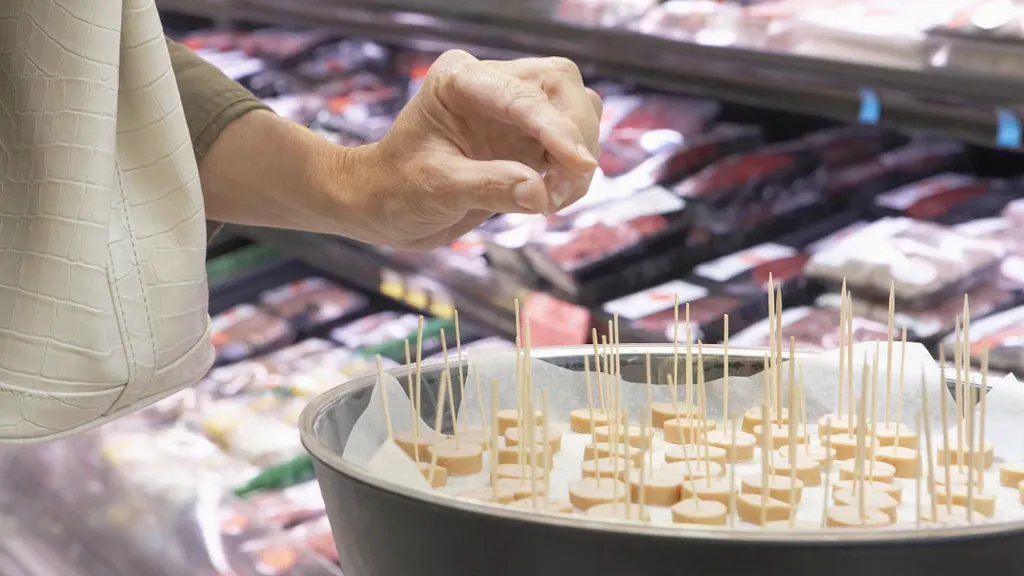 Launching a successful product hinges on understanding how consumers will truly perceive it. While methods like home use testing offer valuable real-world insights, sometimes you need a more controlled environment to gather precise, unbiased feedback, especially for sensory attributes or when direct observation is key. This is where Central Location Tests (CLTs), often referred to as “hall tests,” become an indispensable tool in your research arsenal.
Conducting research in a dedicated, controlled setting allows you to minimise variables, directly compare products under identical conditions, and observe consumer reactions firsthand. But what exactly does a CLT involve, and why should it be a critical part of your product development strategy?
Let’s explore the power of Central Location Tests, why they are essential for gathering accurate data, different ways they can be structured, and key considerations for success.
Launching a successful product hinges on understanding how consumers will truly perceive it. While methods like home use testing offer valuable real-world insights, sometimes you need a more controlled environment to gather precise, unbiased feedback, especially for sensory attributes or when direct observation is key. This is where Central Location Tests (CLTs), often referred to as “hall tests,” become an indispensable tool in your research arsenal.
Conducting research in a dedicated, controlled setting allows you to minimise variables, directly compare products under identical conditions, and observe consumer reactions firsthand. But what exactly does a CLT involve, and why should it be a critical part of your product development strategy?
Let’s explore the power of Central Location Tests, why they are essential for gathering accurate data, different ways they can be structured, and key considerations for success.