Launching a product without proper testing feels like placing your entire business future on a single roll of the dice. Yet every year, countless food and beverage brands make this exact gamble, convinced that internal confidence and market research can substitute for comprehensive product testing with real consumers.The statistics paint a sobering picture of what happens when brands take shortcuts with consumer validation. Research shows that approximately 85% of new food products fail within their first year, with many of these failures directly attributable to inadequate testing during development. Skipping essential product testing phases puts your brand reputation, retailer relationships, and financial stability at serious risk.At Wirral Sensory Services, we’ve witnessed both sides of this equation over nearly three decades. We’ve seen brands transform potential disasters into market successes through rigorous consumer research, and unfortunately, we’ve also observed the costly consequences when companies choose to bypass proper product validation.
How Product Testing Failures Cascade Through Your Business
When consumer feedback reveals problems after launch rather than before, the financial implications extend far beyond the immediate product failure. The damage spreads through multiple areas:
Retailer relationships: Major supermarkets lose confidence in your ability to deliver successful products, making future listings significantly more challenging to secure
Brand perception: Consumers who have negative experiences share disappointment with friends, family, and social media audiences
Supply chain impact: Relationships with manufacturers and suppliers suffer when products fail to meet market expectations
Team confidence: Internal morale and confidence in future projects take a significant hit
What starts as a decision to save money on testing often evolves into a much larger business crisis that could have been prevented through proper consumer validation.
Why Internal Assumptions About Consumer Preferences Fail
Many brands convince themselves that their internal teams understand consumer preferences well enough to skip formal testing. But reality often proves more complex than these assumptions suggest.Your team’s familiarity with the product category can actually work against objective evaluation. When you taste a prototype for the twentieth time, your palate adapts in ways that differ from how first-time consumers will experience the product. Professional sensory evaluation can help bridge this gap between insider knowledge and genuine consumer response.Cultural, regional, and demographic factors add layers of complexity that internal teams often underestimate. What appeals to your London-based development team might resonate differently with families in Manchester or retirees in Brighton.
The Hidden Costs That Make Product Testing Look Expensive
Legal risks: Unsubstantiated claims can lead to expensive regulatory challenges
How Successful Brands Use Product Testing as Competitive Advantage
Leading food and beverage companies leverage consumer research as a strategic tool for creating superior products that consumers genuinely prefer.Comprehensive product validation can help identify the specific attributes that drive consumer preference in your category. Rather than guessing what matters most, you gain concrete data about which sensory characteristics influence purchase decisions and repeat buying behaviour.Meanwhile, home use testing reveals real-world performance factors that laboratory conditions cannot replicate. Understanding how your products integrate into consumers’ daily routines can provide intelligence that can transform good products into market winners.
Why Taste Testing Alone Isn’t Enough
Many brands limit their consumer research to basic taste testing, assuming that flavour preference represents the complete picture. Successful product testing requires a more holistic approach:
Packaging performance: Does your container open easily? Will it survive transportation?
Usage patterns: Products appealing in controlled tastings might prove inconvenient for real-world use
Emotional factors: Brand perception, health perceptions, and value assessments all influence success
Making Product Testing Investment Pay Dividends
Converting product validation from an expense into an investment requires measuring the right metrics. When properly structured, consumer research consistently delivers financial benefits that can far exceed testing costs.Risk reduction represents the most immediate benefit. Every product failure prevented through adequate testing can save substantially more than the research investment. Premium pricing opportunities often emerge from products optimised based on consumer feedback, while retailer confidence improves when you can provide concrete evidence of consumer preference.
Transform Your Product Development with Strategic Consumer Validation
Understanding the true costs of inadequate testing can help put consumer research investments into proper perspective. Rather than viewing validation as an optional expense, successful brands recognise it as essential insurance against far more expensive problems.At Wirral Sensory Services, we’ve spent nearly three decades helping brands navigate these decisions and avoid the pitfalls that derail so many promising products. Our comprehensive testing capabilities include taste testing, sensory profiling, and specialised research approaches tailored to your specific product category and market objectives.Whether you’re developing new food products, reformulating existing lines, or exploring opportunities in household goods or personal care categories, our experienced team can design validation programmes that provide the confidence and insights you need for successful launches.Contact our team today at +44 (0)151 346 2999 or email info@wssintl.com to discuss how professional product testing can support your development goals and help you avoid the costly mistakes that damage so many promising brands.
Planning effective sensory research feels straightforward until you discover how many ways it can go wrong. Every year, food and beverage brands invest substantial budgets in consumer testing and product evaluation, only to find themselves with inconclusive data, misleading insights, or results that fail to translate into commercial success.The consequences of poorly planned sensory research extend far beyond wasted budgets, too. When your research methodology contains fundamental flaws, you might make product development decisions based on faulty data, potentially leading to failed launches or missed market opportunities. Understanding these common pitfalls can help you design research programmes that deliver actionable insights and genuine competitive advantages.At Wirral Sensory Services, we’ve observed recurring patterns in how brands approach consumer testing and product evaluation over nearly three decades. While every project brings unique challenges, certain mistakes appear repeatedly across different companies and product categories, often with predictable and costly consequences.
Why Sensory Research Mistakes Cost More Than You Think
When sensory research goes wrong, the financial impact often exceeds the original testing budget by substantial margins. Poor research design can lead you to optimise products for attributes that consumers don’t actually value, or worse, to overlook the sensory characteristics that drive purchase decisions in your category.For instance, what happens when flawed consumer testing convinces you that a particular flavour profile represents the optimal formulation for your target market? You invest in production scale-up, packaging design, and marketing campaigns, only to discover that real-world consumer response differs dramatically from your research findings. The costs of reformulation, repackaging, and market repositioning typically dwarf the original research investment, often several times over.Worse, the opportunity cost compounds these direct expenses. While you’re addressing problems created by inadequate research, competitors with better consumer insights capture market share that becomes increasingly difficult to reclaim. Time spent fixing preventable issues represents lost momentum in fast-moving consumer goods markets where timing often determines success.
The Most Common Sensory Research Planning Mistakes
Brands consistently make several predictable errors when designing consumer testing programmes, often without realising these mistakes until results prove disappointing:
Rushing the recruitment process: Accepting participants who don’t accurately represent your target demographic, leading to insights that don’t translate to broader market success.
Testing too many variables simultaneously: Overwhelming participants with complex comparisons that obscure the specific attributes driving their preferences.
Ignoring seasonal factors: Conducting taste testing for summer products during winter months, or failing to account for how preferences shift throughout the year.
Overlooking cultural considerations: Assuming that sensory preferences remain consistent across different regional or demographic segments within your target market.
Getting sensory research right starts with being honest about what you actually need to learn and how you’ll use those insights. Think about where your product sits in the development cycle and how that affects which research approach you take. Early-stage formulations might benefit from broad consumer feedback to identify promising directions, while products closer to launch typically need precise sensory profiling to fine-tune specific attributes.Timing can also make or break your results in ways that many brands overlook. Testing warming, hearty flavours during summer or refreshing products in winter can give you misleading insights about consumer appeal. Similarly, running home use testing during holiday periods when eating patterns go haywire might not reflect how people actually use your products day-to-day.Something else that deserves more attention than it typically gets is participant recruitment. Accepting whoever’s available rather than properly screening for your target demographic often produces insights that sound interesting but don’t translate to real-world success. The extra time spent finding the right participants usually pays off in dramatically better data quality.Lastly, sample preparation might seem like a minor detail, but small variations in storage, temperature, or presentation can introduce bias that skews your entire study. Establishing clear protocols and sticking to them helps ensure participants evaluate your intended product rather than accidental variations.
Transform Your Product Development with Strategic Sensory Research
Understanding these planning considerations can help you design consumer testing that delivers genuine competitive advantages rather than expensive confusion. When properly planned, sensory research provides the strategic intelligence needed to create products that truly resonate with consumers.At Wirral Sensory Services, we’ve helped brands navigate these planning challenges for nearly three decades. Our systematic approach helps ensure your investment generates actionable insights rather than misleading conclusions that could derail your product development efforts.Contact our team today at +44 (0)151 346 2999 or email info@wssintl.com to discuss how strategic planning around your sensory research can support your product development goals.
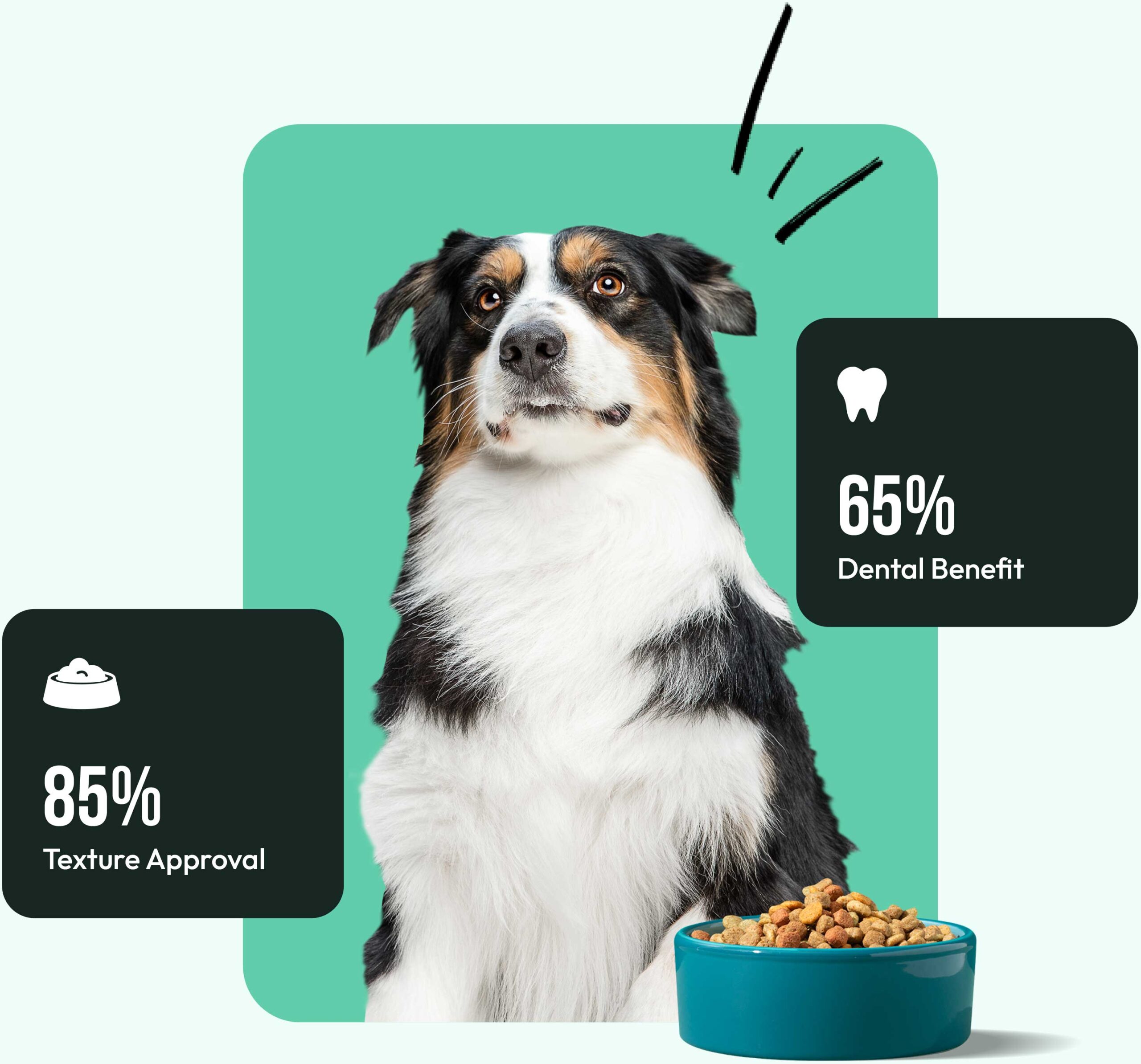
Whether you’re developing a new recipe or reformulating an existing product, pet food research through home use testing provides invaluable insights that laboratory testing simply cannot replicate. With pet owners increasingly treating their animals as family members and spending billions annually on premium pet nutrition, understanding how your product performs in real homes with real pets has never been more crucial.At Wirral Sensory Services, we regularly field questions from pet food manufacturers about how to effectively conduct home use testing with pets. After nearly three decades of helping brands navigate this specialised research area, we’ve created this guide to answer some of the most common queries to help you understand how pet food testing can strengthen your product development and increase your chances of market success.
What Exactly Is Pet Food Home Use Testing?
Pet food home use testing involves recruiting pet owners to trial your products with their animals in their natural home environment. Unlike laboratory feeding trials or palatability tests conducted in controlled facilities, this methodology captures authentic feeding behaviours and owner observations in the settings where your products will actually be consumed.The process typically involves providing pet owners with debranded product samples sufficient for several days of exclusive feeding. Owners then observe their pets’ responses, monitor consumption patterns, and report on various aspects of product performance through structured feedback mechanisms.This approach provides insights that extend beyond simple palatability scores. You’re gathering comprehensive data about how your product integrates into real feeding routines, how pets respond over multiple meals, and crucially, how owners perceive the product’s performance against their expectations and current preferences.
Why Is Home Use Testing Critical for Pet Food Success?
The pet food market has evolved dramatically, with owners now expecting products to deliver on increasingly sophisticated promises about nutrition, health benefits, and ingredient quality. Home use testing helps to validate these claims in real-world conditions where countless variables influence acceptance and satisfaction.Pet feeding behaviour in homes differs significantly from controlled environments. At home, pets have established routines, preferred feeding locations, and existing flavour preferences shaped by their current diet. Testing in this context reveals whether your product can successfully compete with these established patterns.Owner perception proves equally important since they are the ones making the purchasing decisions. Home use testing captures their assessment of practical factors like aroma, appearance, ease of serving, and perceived value. It also reveals whether they observe the behavioural and health indicators that suggest their pet is thriving on your product.Perhaps most importantly, this methodology helps to identify potential issues before market launch. Whether it’s an unexpected digestive response, palatability problems with certain pet demographics, or packaging challenges owners encounter during daily use, early identification allows for corrective action before you make any significant investment in production and marketing.
How Does Pet Food Home Use Testing Actually Work?
Professional pet food research based in a home setting begins with careful recruitment of participants who represent your target market. This involves screening for factors including pet age, breed, size, current diet, health status, and owner demographics to ensure your test panel accurately reflects your intended customer base.Selected participants typically receive comprehensive instructions about the testing protocol, often including a washout period where pets transition from their current food. This helps to ensure a more accurate assessment of your product rather than reactions to dietary change.During the test period, owners feed the provided product exclusively according to specified guidelines. They observe and record various aspects of their pet’s response, from initial interest and consumption rate to ongoing acceptance and any changes in behaviour, energy levels, or physical condition.Data collection methods vary but often include daily diaries, structured questionnaires, and sometimes photographic evidence of consumption patterns. Modern approaches frequently use digital platforms that allow real-time data capture, making it easier for owners to record observations immediately rather than relying on memory.
What Specific Aspects Can Pet Food Testing Evaluate?
Home use testing can assess numerous product attributes that influence both pet acceptance and owner satisfaction. Palatability remains fundamental, but the methodology goes far deeper than simple taste preference.For instance, consumption patterns reveal important insights about product performance. This includes speed of eating, completeness of consumption, enthusiasm at feeding time, and whether acceptance maintains or changes over multiple days of feeding. These patterns often differ significantly from single-meal palatability tests.Physical responses also provide crucial feedback about product suitability. Owners can monitor digestive tolerance, stool quality, coat condition, energy levels, and other health indicators that suggest how well pets are responding to the nutritional profile of your product.Practical performance is another factor that matters enormously to owners. How easily does the product pour or serve? Does it create excessive dust or mess? How does it smell to human noses? Does the packaging reseal effectively? These seemingly minor factors can significantly influence repurchase decisions.Owner satisfaction metrics then complete the picture. Beyond their pet’s response, how do owners feel about the product? Would they recommend it to other pet owners? How does it compare to their current brand? Understanding these human factors is essential since owners ultimately control purchasing decisions.
What Are the Key Advantages of Home Testing Over Laboratory Methods?
While controlled laboratory testing has its place in pet food development, home use testing offers considerable advantages that make it indispensable for understanding real-world product performance.Authentic behaviour patterns only emerge in familiar environments. Pets may eat differently when relaxed at home compared to potentially stressful laboratory settings. This natural behaviour provides more accurate insights into how your product will perform once it reaches retail shelves.Extended feeding periods reveal patterns that single-meal tests miss. Initial acceptance might be high, but does it sustain over a week of exclusive feeding? Home testing captures these temporal dynamics that prove crucial for generating repeat purchases.Multiple pets in households can also provide valuable comparative data. Many homes have several pets with different preferences, and understanding how your product performs across this diversity helps to identify its market potential and limitations.Lastly, owner involvement adds a critical dimension that laboratory testing cannot capture. Their observations, preferences, and practical experiences with your product provide insights that directly influence purchasing decisions and brand loyalty.
Transform Your Pet Food Development with Professional Home Use Testing
Understanding how pets and their owners respond to your products in real home environments removes uncertainty from development decisions and significantly increases your chances of creating successful products that generate loyal customers.At Wirral Sensory Services, we’ve spent decades perfecting pet food research methodologies that deliver actionable insights for brands across the UK and Europe. Our comprehensive home use testing programmes combine rigorous recruitment, carefully designed protocols, and sophisticated analysis to provide the clarity you need for confident decision making.Our established database includes thousands of pet owners representing diverse demographics, pet types, and feeding preferences. Whether you’re testing dog food, cat food, or speciality pet nutrition products, we can recruit the right participants to provide meaningful feedback about your product’s performance.From initial concept validation through to final formulation confirmation, our pet food research services help to ensure your products meet the expectations of both pets and their owners. Ready to discover how your pet food products truly perform in the homes of your target consumers? Contact our experienced team today at +44 (0)151 346 2999 or email info@wssintl.com to discuss how professional home use testing can strengthen your product development and support your market success.
Getting kids to try new foods can feel like an uphill battle for parents. So imagine the challenge facing food manufacturers who need to create products that not only meet nutritional standards but actually end up in lunchboxes rather than bins. That’s where specialised children’s food testing comes in, and it’s a world away from standard adult consumer research.At Wirral Sensory Services, we’ve been testing children’s products for major supermarkets and brands since 2003. Along the way, we’ve discovered that successfully researching kids’ food preferences requires completely rethinking traditional testing approaches.
The Reality of Food Testing with Young Consumers
Something obvious from the get-go is that asking a five-year-old to rate “mouthfeel complexity” isn’t going to work. Children experience food differently from adults, and their feedback methods need to reflect this reality.For instance, younger children often struggle to articulate why they like or dislike something beyond “it’s yucky” or “it’s yummy.” That’s perfectly valid feedback, but it means researchers need to dig deeper using age-appropriate techniques. We’ve found that simplified rating scales using faces or stars work brilliantly, allowing children to express preferences without needing extensive vocabulary.Something else that sets children apart is their heightened sensitivity to certain flavours and textures. What seems mildly bitter to an adult might be overwhelming to a child. This isn’t fussiness; rather, it’s biology at play. Children have more taste buds than adults, making them genuinely experience flavours more intensely.
Children’s Home Use Testing: Where the Magic Happens
While laboratory testing has its place, there’s something special about observing how children interact with food in their natural habitat: the family kitchen. This is why the majority of our children’s research happens through home use testing.Think about it. At home, children are relaxed and behaving naturally. They’re eating at their usual times, from familiar plates, often alongside siblings who might influence their choices. You’re seeing authentic reactions rather than performed behaviours.Parents play a crucial role, too. They observe things researchers might miss, like whether their child asks for seconds or tries to feed the new yoghurt to the dog. These real-world insights prove invaluable for brands trying to create products that work for actual families, not theoretical ones.Additionally, home testing over several days reveals patterns that single tastings miss. Initial excitement about cartoon packaging might wear off if the product itself doesn’t deliver. Conversely, a product that seems unremarkable at first might become a requested favourite by day three.
Beyond Just Taste Testing: What Really Matters
When testing children’s foods, flavour is obviously important, but it’s rarely the whole story. Successful products need to work on multiple levels.Texture can make or break a product for young consumers. We’ve seen beautifully flavoured products fail because they were “too slimy” or “too crunchy.” Children often have strong texture preferences that differ significantly from those of adults, and these preferences can vary dramatically by age group.Visual appeal matters enormously, too. Colour, shape, and size all influence whether children will even try a product. A perfectly nutritious snack might be rejected simply because it looks “weird” to young eyes.Then there’s the practical side that parents care about. Does the packaging open easily for small hands? Will it survive in a schoolbag? Does it create a mess? These factors might not matter to children directly, but they’re crucial for the adults making purchasing decisions.
Building Trust with Young Testers
Over two decades of children’s testing have taught us that recruitment is everything. You need families who are genuinely engaged with the process, not just looking for free samples.We’ve built relationships with schools, playgroups, and activity centres across the region. These connections help us recruit diverse groups of children who represent real market demographics. After all, a product that only appeals to one narrow segment is unlikely to achieve broad success.The key is making participation enjoyable rather than onerous. When children see testing as fun rather than homework, they provide more authentic, enthusiastic feedback. Parents appreciate straightforward questionnaires that don’t add stress to already busy evenings.
Making Complex Products Kid-Friendly
One of our most interesting challenges involves products trying to deliver sophisticated nutrition in kid-friendly formats. How do you make vegetables appealing? How do you reduce sugar whilst maintaining the sweetness children expect?These questions require careful testing across multiple iterations. What works in theory often fails in practice. We’ve seen products where manufacturers successfully masked vegetable flavours, only to discover children rejected the unusual colour. Or reduced-sugar versions that parents loved but children wouldn’t touch.The solution usually involves finding the sweet spot where health benefits and child appeal overlap. This might mean accepting that your organic kale smoothie needs some apple juice, or that wholegrain crackers work better in fun shapes. Testing helps identify these compromises before you’ve committed to full production.
The Competitive Reality of the Child Food Product Market
The children’s food market is incredibly competitive. Walking down any supermarket aisle reveals dozens of options competing for attention and lunch money. Standing out requires more than good intentions or clever marketing.Regular benchmarking against competitor products helps brands understand their position. Are you the healthiest option that children will actually eat? The most convenient for busy mornings? The best value for families on a budget? Testing against market leaders reveals where you excel and where improvement is needed.This competitive intelligence proves especially valuable when retailers demand evidence that your product deserves shelf space. Being able to demonstrate that children prefer your yoghurt to established brands, backed by robust testing data, opens doors that enthusiasm alone cannot.
Your Next Steps in Children’s Food Testing
Creating successful children’s food products requires understanding both young consumers and their parents. It means acknowledging that children aren’t simply small adults with simpler tastes, but unique consumers with specific needs and preferences.Professional home use testing provides the insights needed to navigate this complex and nuanced market successfully. Whether you’re developing new products or refining existing ones, understanding how real children respond in real homes makes the difference between products that languish on shelves and those that become lunchbox staples.At Wirral Sensory Services, we combine decades of experience with genuine enthusiasm for helping brands create products that children love and parents trust. Our established network of testing families and proven methodologies can deliver the insights you need whilst keeping the process manageable and cost-effective.So, if you’re ready to discover what children really think about your products, contact us at +44 (0)151 346 2999 or email info@wssintl.com to explore how professional children’s testing can strengthen your product development and support your success in this vital market.
Whether you’re launching your first product or refining an established range, consumer testing represents one of the most valuable investments you can make in your product’s future success. However, while many brands understand that consumer feedback is crucial, questions often pop up about how to implement consumer research effectively. With over 25 years of experience helping brands navigate these decisions, we regularly field questions about best practices, methodologies, and implementation strategies.So, let’s explore the most common questions about consumer testing to help you understand how this powerful research tool can strengthen your product development process and increase your chances of market success.
What Exactly Is Consumer Testing?
Consumer testing involves systematically gathering feedback from your target market about products, concepts, or experiences before making significant business decisions. Unlike internal assessments or expert evaluations, consumer testing captures real-world perspectives from the people who will ultimately decide whether to purchase your product.This research approach can evaluate virtually any aspect of your offering that influences consumer perception. From initial product concepts through to final formulations and packaging designs, consumer testing provides data-driven insights that remove guesswork from your decision-making process.The key difference between consumer testing and other research methods lies in its focus on your actual target market. Rather than relying on assumptions or expert opinions, you’re gathering direct feedback from consumers who represent your intended customer base, ensuring your insights are genuinely relevant to commercial success.
Why Is Consumer Testing So Important for Product Success?
Consumer testing significantly reduces the risk of product failure by identifying issues and opportunities before you’ve committed substantial resources to production and marketing. Research consistently shows that products developed with comprehensive consumer input achieve higher success rates than those developed without this validation.The methodology helps you understand not just whether consumers like your product, but specifically why they respond the way they do. This deeper insight enables targeted improvements that can transform good products into market leaders, whilst avoiding costly mistakes that might otherwise become apparent only after launch.Consumer testing can also provide competitive intelligence by revealing how your product performs against existing market options. This comparative consumer research helps identify opportunities for differentiation and guides positioning strategies that can give you genuine marketplace advantages.Perhaps most importantly, consumer testing builds confidence in your business decisions. When you have solid data showing that your target market responds positively to your product, you can invest in production and marketing with greater certainty of success.
What Types of Consumer Testing Methods Are Available?
Several consumer testing methodologies can provide valuable insights, each suited to different research objectives and product characteristics.
Taste testing: represents the most familiar form of consumer research for food and beverage brands. This approach evaluates sensory characteristics like flavour, texture, and aroma, providing direct feedback on product formulations and helping optimise recipes for maximum consumer appeal.
Home use testing: allows consumers to trial products in their natural environment over extended periods. This methodology proves particularly valuable for products that require time to demonstrate their benefits or integrate into daily routines, providing insights that laboratory testing simply cannot replicate.
Central location testing: brings consumers to controlled environments where they can evaluate products under standardised conditions. This approach works well for comparative studies and situations where you need to control variables that might influence consumer perceptions.
Focus group studies: enable deeper exploration of consumer attitudes, motivations, and preferences through moderated group discussions. While involving smaller sample sizes, this qualitative approach often reveals insights that quantitative methods might miss.
Online consumer research: offers cost-effective ways to gather feedback from larger consumer panels, making it ideal for concept testing and broad market validation studies.
When Should You Conduct Consumer Testing Throughout Product Development?
The timing of your consumer testing can significantly impact its value to your development process. Early-stage testing during concept development helps validate ideas before substantial investment, whilst pre-launch testing provides final validation and optimisation opportunities.Consumer testing during product development allows you to refine formulations, packaging, and positioning based on real consumer feedback. This iterative approach often leads to significantly stronger final products than development processes that rely solely on internal decision-making.Post-launch consumer testing helps monitor product performance and identify opportunities for ongoing improvement. Markets and consumer preferences constantly evolve, making regular testing essential for maintaining competitive positioning over time.For established products, consumer testing can also guide reformulation efforts when ingredients, costs, or regulations require changes. This ensures modifications don’t negatively impact consumer acceptance whilst potentially identifying opportunities for enhancement.
How Do You Choose the Right Consumer Testing Approach?
Selecting the most appropriate consumer testing methodology depends on your specific research objectives, product characteristics, and practical considerations like timeline and budget.Product acceptance testing works well when you need to understand overall consumer response to new or modified products. This approach provides clear feedback on commercial viability and helps prioritise development resources.Conversely, product benchmarking proves valuable when you want to understand how your product performs against competitive alternatives. This comparative approach often reveals specific areas where your product excels or needs improvement relative to market standards.For products where sensory experience drives preference, combining consumer taste testing with sensory profiling can provide powerful insights. This approach helps identify not just what consumers prefer, but specifically why they prefer it, enabling precise product optimisation.The key lies in aligning your methodology with your specific questions. Clear research objectives should guide every aspect of your testing approach, from participant recruitment through to analysis and interpretation.
Transform Your Product Development with Professional Consumer Testing
Understanding how consumers truly perceive and respond to your products removes uncertainty from development decisions and significantly increases your chances of market success.At Wirral Sensory Services, we’ve spent nearly three decades helping brands understand their consumers through comprehensive research methodologies. Our consumer testing services combine rigorous scientific approaches with a practical commercial focus, delivering insights that translate directly into business success.Whether you’re developing new products, refining existing offerings, or exploring market opportunities, our experienced team can design and execute consumer testing programmes that provide the clarity and confidence you need for informed decision-making.Our comprehensive capabilities include taste testing, home use testing, central location tests, and specialist research approaches tailored to your specific industry and objectives. With access to one of the UK’s largest consumer databases and state-of-the-art testing facilities, we can deliver both small-scale targeted studies and large-scale market validation projects.If you’re ready to strengthen your product development process with professional consumer testing, contact our team today at +44 (0)151 346 2999 or email info@wssintl.com to discuss how our expertise can support your success.
Home use testing has become an essential tool for brands seeking authentic consumer insights, but many companies struggle to maximise the value of their HUT testing programmes. Whilst the fundamentals of home use testing are well understood, questions often arise about how to optimise studies for better results, overcome common challenges, and ensure maximum return on investment.With nearly three decades of experience managing home use testing projects for leading brands, we regularly help companies refine their approach to achieve more reliable data and actionable insights. Let’s explore the most important optimisation questions to help you get the most from your HUT testing investment.
How Do You Keep Participants Engaged Throughout Your HUT Study?
One of the biggest headaches you’ll face with home use testing is keeping participants motivated throughout the entire study period. Unlike lab-based research where you can observe everything directly, HUT participants are on their own at home, making engagement absolutely crucial for reliable results.Start with crystal-clear communication from day one. Your participants need to understand exactly what you’re asking them to do and why their feedback matters. Many of our most successful programmes include short video tutorials showing proper product usage – it’s amazing how much clearer things become when people can actually see what you want.Think carefully about your reward structure too. Rather than just paying everyone the same amount for signing up, consider offering bonuses for hitting key milestones. This approach encourages people to stick with your study rather than dropping out halfway through when the novelty wears off.
Leveraging Technology for Better Engagement
Modern technology can be your best friend here. Mobile apps that send gentle reminders work brilliantly for keeping your study top-of-mind without being annoying. These tools can also make it easier for participants to upload photos or submit quick feedback, reducing the friction that often leads to dropout.Regular check-ins make a real difference too. A quick weekly email asking how things are going shows you’re invested in their experience and gives you a chance to address any issues before they derail your home use study.
What Are the Most Effective Ways to Overcome Common HUT Challenges?
Every home use testing programme faces predictable challenges, but the smart approach is anticipating these issues and building solutions into your study design from the start.Inconsistent product usage often tops the list of common problems. You might think your instructions are clear, but participants often interpret things differently than you expect. Combat this by providing detailed protocols that include visual examples and simple tracking tools.
Tackling Data Quality Issues
Poor data quality usually stems from two sources: participant fatigue or confusing feedback requirements. Instead of overwhelming people with massive questionnaires, try collecting feedback progressively. Capture those crucial first impressions immediately, then gather deeper insights through shorter, focused surveys spread throughout the testing period.Participant dropout can devastate your study if you’re not careful about who you recruit. During the screening process, look for genuine interest in your product category rather than just demographic matches. Someone who’s genuinely curious about trying your new skincare product will stick around much longer than someone who’s just after the incentive payment.Sample bias becomes a real problem when your participants don’t actually represent your target market. This is where working with experienced research partners really pays off – they maintain carefully screened databases and can match participants precisely to your demographic requirements.
How Should You Tailor HUT Testing Design for Different Product Categories?
Your HUT testing approach often changes dramatically depending on what you’re testing. A food product requires completely different considerations than a household cleaner, and getting this wrong can undermine your entire study.
Food and Beverage Products
Food and drink items typically need shorter testing periods but multiple consumption occasions. You want to understand both immediate taste reactions and how well your product fits into people’s regular eating habits. Family dynamics matter enormously here – that healthy breakfast bar might get rave reviews from mum but complete rejection from the teenagers.Consider seasonal factors too. Testing a warming soup in July won’t give you the same insights as testing it in January when people actually want hot comfort food.
Personal Care Products
Personal care items often require extended testing periods because benefits take time to appear. Structure your feedback collection around realistic timeframes. You can’t expect someone to see anti-ageing results after three days, for example. Include photography protocols for products promising visible improvements, and track specific skin or hair conditions throughout the testing period.
Household and Technology Products
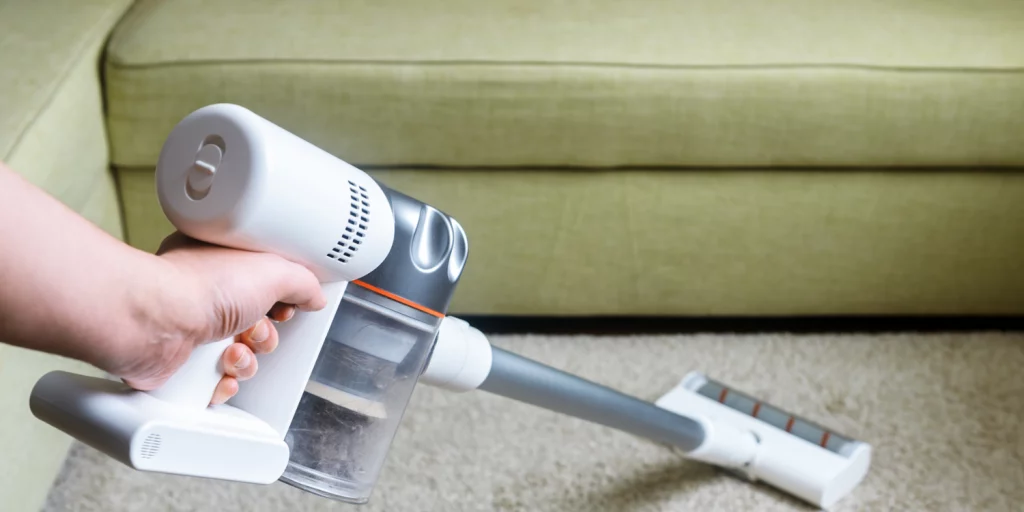
Household products benefit from task-specific evaluation. Create realistic scenarios that reflect actual cleaning challenges rather than perfect laboratory conditions. Meanwhile, technology products need careful attention to learning curves – people’s opinions often change dramatically as they discover features and work out how to integrate devices into their routines.
What’s the Best Way to Turn HUT Data into Actionable Insights?
Collecting HUT testing data is only half the battle. The real value comes from analysis that turns raw feedback into insights you can actually use for business decisions.Don’t just average everything together. Different consumer segments often respond very differently to your product, and these variations frequently reveal the most valuable insights. A product that performs poorly overall might be absolutely loved by a specific demographic, pointing to a focused market opportunity.
Understanding How Opinions Change Over Time
Something that’s best practice is to track how perceptions evolve throughout your testing period. Initial enthusiasm sometimes fades as the novelty wears off, whilst other products grow on people as they discover benefits or work out optimal usage patterns. These trends can predict long-term market performance far better than first-impression scores.Compare your results against existing products whenever possible. Absolute satisfaction scores don’t mean much without context. What matters is how your product performs relative to current market options and competitor offerings.Pay special attention to qualitative insights, as this is the key benefit of HUT testing. Numerical ratings are useful, but the real gold often lies in open-ended comments. Look for consistent themes, unexpected usage patterns, and specific suggestions for improvement. These insights frequently drive the most impactful product modifications.
Optimise Your HUT Testing with Expert Guidance
Getting the most from home use testing requires balancing scientific rigour with practical implementation skills. The most successful brands treat HUT research as a strategic capability rather than a one-off project.At Wirral Sensory Services, our comprehensive HUT testing expertise helps brands achieve consistently reliable results through optimised study designs, careful participant management, and thorough data analysis. Our experience across food, beverage, personal care, and household product categories means we can tailor approaches that maximise value for your specific needs.Whether you’re looking to refine existing programmes or implement more sophisticated testing strategies, our team can help you achieve better engagement, overcome common challenges, and extract maximum value from your research investment.Contact our team today at +44 (0)151 346 2999 or email info@wssintl.com to discuss how our optimised HUT testing approaches can strengthen your product development process and deliver more reliable consumer insights.
Whether you’re developing your first product or you’ve been in the industry for years, understanding how sensory profiling works can genuinely transform your approach to product development.Many of our clients come to us with questions about this methodology, and we love sharing what we’ve learned over nearly three decades in this field. So, let’s explore the most common questions about sensory profiling and help you understand how it might benefit your own product development journey.
What Exactly Is Sensory Profiling?
Think of sensory profiling as creating a detailed fingerprint of your product, but instead of using ink and paper, you’re using the expertise of specially trained professionals who can detect and measure sensory characteristics that most of us would struggle to articulate.Unlike asking someone whether they like your chocolate cake (which might give you a simple yes or no), sensory profiling involves trained assessors who can tell you that your cake has a cocoa intensity of 6.5 out of 10, a sweetness level of 7.2, and a moist, dense texture with specific characteristics they can describe consistently every time.This approach takes the “liking” element out of the equation entirely. Your trained panellists aren’t there to judge whether your product tastes good or bad – they’re there to create an objective map of exactly what sensory experience your product delivers. It’s rather like having a team of highly sensitive scientific instruments that happen to be human beings with exceptional sensory abilities.
Which Types of Products Typically Undergo Sensory Profiling?
You might be surprised by the breadth of products that can benefit from this type of analysis. While food and beverages represent the most obvious candidates, sensory profiling can help with virtually any product where sensory experience matters to your customers.In the food world, everything from your morning coffee to that evening chocolate bar you enjoy has likely undergone some form of sensory profiling during development. Beverage companies regularly use these techniques to ensure their products deliver consistent experiences, whether you’re drinking a craft beer in Manchester or a soft drink in Birmingham.Personal care products represent another fascinating area where sensory profiling proves invaluable. The way your shampoo feels in your hands, how your moisturiser absorbs into your skin, or even how your toothpaste tastes can all be measured and optimised through professional sensory analysis.Household products also benefit tremendously from this approach. If you’ve ever noticed how some cleaning products seem to feel more effective than others, or how certain air fresheners create more pleasant experiences, there’s often sensory profiling work behind those differences.
How Does Sensory Profiling Differ from Taste Testing?
This question comes up frequently, and it’s completely understandable because both approaches seem to involve people testing products. The key difference lies in who’s doing the testing and what information you’re gathering.Taste testing typically involves people from your target market telling you whether they like your product, would buy it, or prefer it over competitors. This feedback can be incredibly valuable for understanding market potential, but it’s inherently subjective and influenced by personal preferences, cultural backgrounds, and even what participants had for lunch.Sensory profiling takes a completely different approach. Your trained panellists undergo extensive preparation to become objective measuring instruments rather than opinion-givers. They learn to separate their personal preferences from their professional assessments, focusing purely on identifying and quantifying what they’re experiencing.When you combine both methodologies, something quite powerful happens. You can understand not just whether consumers like your product, but specifically why they like it. This combination can help you create what we often call “gold standard” products that perform exceptionally well in the marketplace.
Who Actually Conducts Professional Sensory Profiling?
Behind every reliable sensory profiling study, you’ll find carefully selected individuals who’ve undergone significant training to develop their natural abilities into professional skills. These panellists start with above-average sensory acuity – they might naturally be better at detecting subtle differences in taste, smell, or texture than most people.However, natural ability alone isn’t sufficient. These individuals participate in extensive training programmes where they learn standardised vocabularies for describing sensory experiences. They practice identifying specific characteristics until they can consistently recognise and rate them using precise scales.At WSS, our panellists have worked with countless food and beverage products over the years, developing an impressive ability to detect even subtle changes in formulations. They’ve become highly calibrated instruments who can provide objective measurements that help guide your product development decisions.The training never really stops, either. Regular calibration exercises ensure that our panellists maintain their skills and continue working together as a cohesive team that delivers consistent, reliable results.
What Types of Products Really Benefit from Sensory Profiling?
While we’ve touched on various product categories, you might be wondering whether your specific product type would benefit from this approach. The simple answer tends to be that if sensory experience influences how your customers perceive or use your product, sensory profiling can probably help you.Food products represent our bread and butter (if you’ll forgive the expression), from simple items like biscuits to complex ready meals with multiple components. Each product category presents unique challenges and opportunities for optimisation through sensory analysis.Beverages offer particularly interesting profiling opportunities because you’re often dealing with products that change over time. Your coffee might taste different when hot versus lukewarm, and your beer might develop different characteristics as it warms up. Sensory profiling can help you understand these changes and optimise for the entire consumption experience.New product development represents one of the most valuable applications of sensory profiling. Rather than guessing whether your product concept will resonate with consumers, you can use objective sensory data to guide your formulation decisions and ensure you’re creating something genuinely distinctive in the marketplace.
How Accurate and Reliable Is Sensory Profiling?
You’re absolutely right to question the reliability of any research methodology, especially one that depends on human perception. After all, don’t our senses vary from person to person and even from day to day?The key to reliable sensory profiling lies in the training and calibration processes that transform individual perceptions into consistent, objective measurements. When properly trained panellists work together using standardised procedures, they can achieve remarkable consistency in their assessments.We regularly conduct validation and calibration studies to ensure our panels maintain their accuracy over time. These might involve testing the same products multiple times to verify consistency, or comparing our results with instrumental measurements where possible.Your results become even more reliable when we use statistical analysis to identify patterns and highlight significant differences. We’re not relying on single opinions or one-off measurements – we’re building comprehensive pictures based on multiple assessments from trained professionals.
Unlock the Power of Professional Sensory Profiling Today with Wirral Sensory Services
Understanding how your products really perform from a sensory perspective can transform your approach to development and help you create offerings that truly stand out in competitive markets. Professional sensory profiling removes guesswork from product development, replacing assumptions with objective data that can guide your decisions.At Wirral Sensory Services, we’ve spent nearly three decades helping brands understand their products through the lens of sensory science. Our trained panels and comprehensive analytical capabilities can provide the insights you need to optimise your products and achieve your market goals.Whether you’re developing your first product or looking to refine an existing range, our sensory profiling services can help you understand exactly what makes your products special and how they can be improved.So contact our friendly team today at +44 (0)151 346 2999 or email info@wssintl.com to discuss how our expertise can support your product development goals.
Whether you’re launching a new household cleaner or reformulating a personal care product, fragrance testing provides the scientific foundation needed to make informed decisions about scent selection and performance.Many brands still approach fragrance selection through guesswork and personal preference, which can lead to costly mistakes and disappointing market performance. Professional fragrance testing removes this uncertainty, offering data-driven insights that help ensure your product’s scent enhances rather than hinders consumer acceptance.Let’s explore the most common questions about fragrance testing to help you understand how this specialised research can benefit your product development process.
What Is Fragrance Testing?
Fragrance testing represents a scientific approach to evaluating how scents perform in real-world product applications. This methodology goes far beyond simply determining whether a fragrance smells pleasant. Instead, it involves examining how effectively it functions throughout your product’s entire lifecycle.The process involves trained assessors who evaluate fragrances using specific olfactory descriptors that precisely define each aspect of a scent’s profile. These experts can identify subtle changes in fragrance performance across different stages of product use, from initial application through to final performance.This systematic evaluation provides objective data about fragrance characteristics, helping you understand exactly how your chosen scent will perform in various conditions and applications.
How Does Fragrance Testing Work?
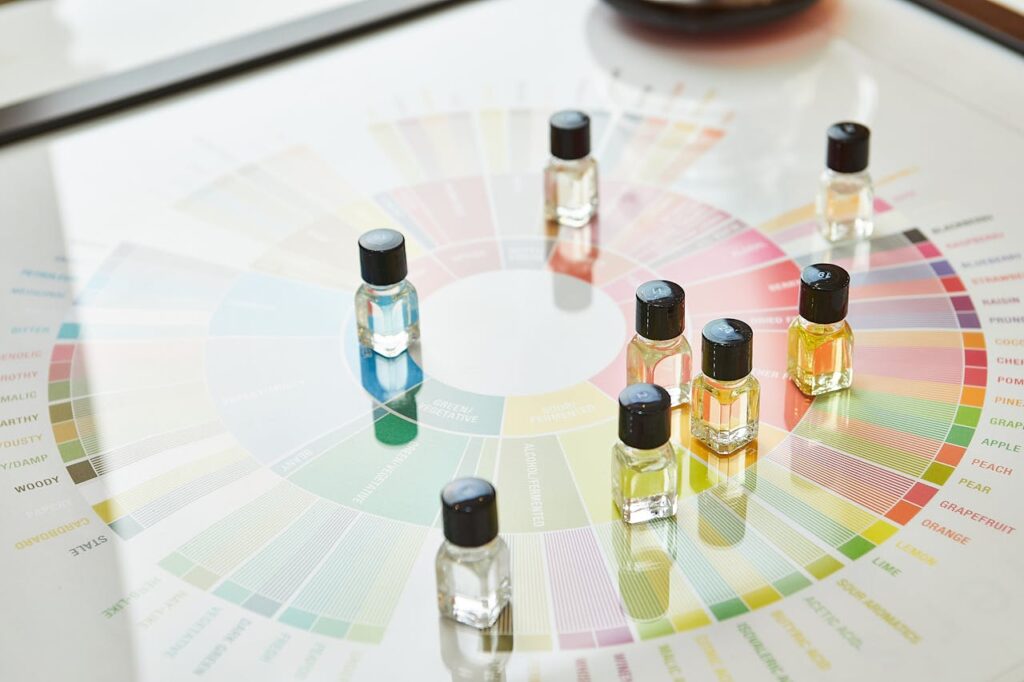
Professional fragrance testing typically begins with a descriptor-generating session where trained assessors identify the specific olfactory characteristics that define your product category. These descriptors become the standardised vocabulary used throughout the evaluation process.Assessors then evaluate your fragrance candidates across multiple stages relevant to your product’s use. For household products, this might include testing the neat product, during application, and after use. Personal care products could be evaluated on initial application, during use, and hours later to understand fragrance longevity.The testing process often includes comparative analysis against competitor products, helping you understand how your fragrance performs relative to market standards. Multivariate mapping techniques can then compare and contrast different fragrance options, revealing which characteristics most strongly influence overall performance.
Why Is Fragrance Testing Important for Product Success?
Fragrance plays multiple critical roles in product performance that extend well beyond creating a pleasant smell. Your product’s scent needs to effectively mask any unpleasant base odours from functional ingredients, which is particularly important in household and personal care products where chemical components can create unwanted smells.Consumer acceptance often depends heavily on fragrance performance. Research shows that people make quick judgements about product quality based on smell, often before they’ve even tested the product’s primary function. Getting this wrong can immediately impact consumer perception and purchase decisions.Fragrance also reinforces your brand positioning in the market. Luxury products require sophisticated scent profiles that align with premium positioning, whilst eco-friendly products need fragrances that support natural or sustainable messaging. In short, the wrong fragrance choice can undermine your entire brand strategy.
What Types of Products Benefit from Fragrance Testing?
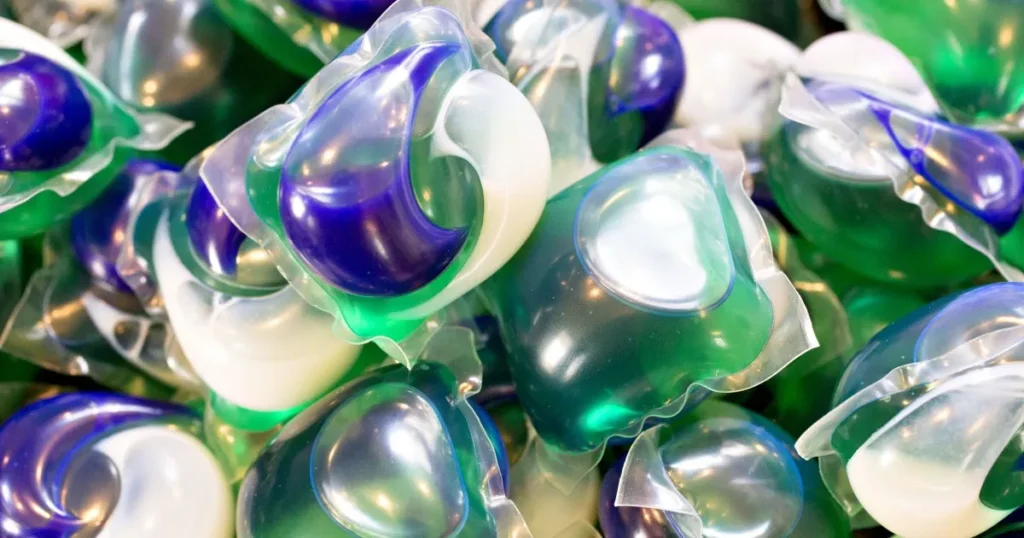
Household cleaning products represent one of the largest categories requiring fragrance testing. These products often contain strong chemical components that need effective masking, whilst the fragrance must perform consistently throughout the cleaning process and leave a pleasant residual scent.Personal care products (including skincare, haircare, and toiletries) rely heavily on fragrance for consumer acceptance. These products require scents that complement the user experience whilst maintaining performance throughout extended use periods.Laundry products present particular challenges since fragrances must survive wash cycles whilst providing pleasant scent transfer to fabrics. Testing helps ensure fragrances maintain their character through various temperature and chemical exposures.Even products where fragrance isn’t the primary function can benefit from testing. For instance, air fresheners, candles, and fabric care products all depend on consistent scent performance that meets consumer expectations throughout their usage lifecycle.
How Long Does Fragrance Testing Typically Take?
The duration of fragrance testing depends largely on your product’s application and the complexity of performance requirements. Simple fragrance evaluations comparing a small number of options might be completed within a few days.More comprehensive testing that evaluates fragrance performance across multiple usage stages typically requires several weeks to complete properly. Products with complex usage cycles, such as laundry detergents that must perform through wash, rinse, and drying stages, often need extended testing periods to capture all relevant performance data.The number of fragrance variants being tested also influences timing. Evaluating multiple candidates against competitor benchmarks naturally extends the testing period but provides more comprehensive insights for decision making.Planning your testing timeline early in the development process will help you ensure results are available when needed for key decisions, avoiding delays in product launch schedules.
What Methods Are Used in Professional Fragrance Testing?
Professional fragrance testing employs several specialised methodologies designed to capture comprehensive performance data. Descriptive analysis using trained panels forms the foundation of most fragrance testing, with assessors evaluating products using standardised olfactory vocabularies.Comparative testing methods help understand how your fragrance performs against existing market options. This approach provides context for your fragrance’s strengths and potential areas for improvement relative to consumer expectations set by current products.Temporal evaluation tracks how fragrances change over time and through various usage stages. This methodology proves particularly valuable for products where fragrance performance evolves throughout use, such as fabric conditioners or personal care products.Some testing programmes also incorporate consumer preference studies to understand how technical fragrance performance translates into consumer acceptance. This combination of expert evaluation and consumer response will provide comprehensive insights for your fragrance selection decisions.
Transform Your Fragrance Development with Professional Testing
Understanding how your fragrance will perform before committing to production can save significant time and resources whilst increasing your product’s chances of market success. Professional fragrance testing removes guesswork from scent selection, providing the scientific foundation needed for confident decision making.At Wirral Sensory Services, our specialist fragrance testing capabilities help brands make informed choices about scent selection and performance. Our experienced team of trained assessors and comprehensive testing methodologies provide the detailed insights needed for successful fragrance development.Whether you’re developing new products or refining existing formulations, our fragrance testing services can help ensure your scent choices support rather than hinder your product’s market performance.So, if you’re ready to take a more scientific approach to fragrance selection, contact our team today at +44 (0)151 346 2999 or email info@wssintl.com to discuss how professional fragrance testing can strengthen your product development process.
Product optimisation represents a critical process for food, beverage, and consumer goods brands looking to maintain or grow their market position. With only about one in five new products achieving successful launches in the UK market, understanding how to effectively optimise your products can significantly increase your chances of success.At Wirral Sensory Services, we regularly field questions about the product optimisation process. Here, we’ve compiled answers to the most common queries to help you understand how this vital research approach could benefit your brand.
What Is Product Optimisation and Why Does It Matter?
Product optimisation refers to the systematic process of researching and improving a product to enhance its appeal to target consumers. This approach applies scientific methodologies to identify exactly what drives consumer preference and how your product can be refined to better meet those preferences.For established brands, product optimisation helps you maintain your market position against increasingly innovative competitors. The marketplace never stands still, with competitors constantly looking for ways to improve their offerings and attract more customers. Without ongoing optimisation, even market-leading products can gradually lose their competitive edge.For new product development, optimisation significantly increases your chances of success by ensuring your product truly meets consumer needs before full-scale launch. However, the impact of effective product optimisation extends far beyond immediate sales performance, often translating into long-term brand strength. After all, continually delivering products that meet or exceed customer expectations is likely to build that all-important trust and loyalty that provides lasting commercial value.
How Does the Product Optimisation Process Work?
The most effective product optimisation (usually, but not always) combines two complementary research methodologies: sensory profiling and consumer taste testing. There may be other methodologies used, such as consumer acceptance testing, but those two often form the backbone of any optimisation efforts. Sensory profiling involves trained experts evaluating your product against specific sensory parameters to create a detailed profile. This objective assessment identifies exactly what sensory characteristics your product delivers, providing a precise technical understanding of your offering.Consumer taste testing involves having your target market sample and evaluate your product. This reveals which aspects of your product resonate with consumers and which might benefit from refinement.When these two methodologies are combined, the magic happens. You can identify not just what consumers prefer, but specifically why they prefer it. This powerful insight allows you to precisely target product improvements for maximum impact.For instance, a popcorn manufacturer we worked with provides an excellent example. Through sensory profiling, we identified 26 key sensory attributes that defined their product category. Consumer taste testing revealed which of these attributes most strongly influenced preference. Armed with this insight, the brand created a “gold standard” product that significantly outperformed competitors, driving substantial sales growth.
When Is the Right Time to Conduct Product Optimisation?
Product optimisation delivers value at multiple stages of the product life cycle, though many companies miss key opportunities by limiting when they apply this approach.During new product development, optimisation helps refine concepts before significant manufacturing investment. This early-stage application can prevent costly mistakes and significantly increase launch success rates. Many of our clients use this approach to validate and refine promising concepts before committing to full-scale production.For established products facing increasing competition, optimisation offers a path to maintaining or regaining market leadership. We often work with brands that have noticed a gradual sales decline to identify how their products can be refreshed to better match evolving consumer preferences.Following ingredient or manufacturing changes, optimisation ensures your product maintains its appeal despite necessary modifications. When supply chain issues, cost pressures, or regulatory requirements force changes, optimisation research can also help to ensure these changes don’t negatively impact consumer acceptance.In truth, product optimisation should be viewed as an ongoing process rather than a one-time event. Markets and consumer preferences constantly evolve, and your products need to evolve with them.
Which Product Elements Can Be Optimised?
Product optimisation can address virtually any aspect of your offering that influences consumer perception and preference. However, it’s sensory characteristics that often form the core of optimisation efforts. For food and beverage products, these include flavour profile, texture, aroma, appearance, and mouthfeel. Our research can identify which specific sensory attributes drive preference in your category and how your product performs against these key drivers.Recipe formulation optimisation helps you deliver preferred sensory characteristics while managing production considerations. This might involve adjusting ingredient levels, exploring alternative ingredients, or refining processing methods to achieve desired outcomes.Another approach might involve cost optimisation, which identifies opportunities to maintain or improve consumer acceptance while reducing production costs. And don’t forget that packaging elements can also benefit from optimisation research. From functional aspects like ease of opening to visual elements that communicate quality, packaging plays a crucial role in overall product performance.The most successful product optimisation programmes typically address multiple elements simultaneously, creating a holistic approach to product improvement.
How Can You Measure the Success of Product Optimisation?
Effective product optimisation delivers measurable benefits that justify the investment in research. Without clear metrics, it’s difficult to quantify the value this process brings to your brand. Fortunately, several established measures can help you track improvement and demonstrate return on investment.The most valuable success metrics for product optimisation include:
Consumer preference scores – These provide direct evidence of improvement in product appeal, showing how optimised products compare to previous versions or competitor offerings. Many of our clients see preference score increases of 15-25% through effective optimisation work.
Purchase intent metrics – These translate preference into commercial potential, helping predict how optimisation will impact real-world sales performance.
Sensory profile alignment – This technical measure shows how closely your product matches identified “gold standard” characteristics, helping track progress toward sensory targets that drive consumer preference.
Market performance indicators – Sales growth, market share gains, and increased repeat purchase rates ultimately provide the most important validation of optimisation success. These real-world outcomes demonstrate the commercial impact of your optimisation efforts.
Cost efficiency improvements – Many clients track savings achieved through optimisation, particularly when ingredient usage has been made more efficient without compromising consumer acceptance.
Tracking these metrics throughout your optimisation journey allows you to clearly demonstrate the value of this research approach and justify continued investment in product improvement.
How Can Wirral Sensory Services Support Your Product Optimisation?
At Wirral Sensory Services, we’ve been helping brands optimise their products for over 25 years. Our approach combines rigorous methodology with a practical commercial focus.Our trained sensory panel provides precise, consistent evaluations that identify subtle product differences untrained participants might miss. This focused approach delivers reliable results while controlling costs by eliminating the variability found in larger, untrained panels.Meanwhile, our consumer recruitment capability ensures your products are evaluated by the right target audience. With one of the UK’s largest taster databases, we can quickly assemble panels that match your specific demographic requirements.Our analytical approach identifies which specific product attributes truly drive consumer acceptance, allowing you to focus resources on changes that will have the greatest impact. This data-driven method has helped numerous clients create their category’s “gold standard” product.Better yet, our practical recommendations translate complex research findings into clear action steps for your development team. We focus on providing guidance that acknowledges commercial realities while maximising consumer appeal.If you’re interested in exploring how product optimisation could benefit your brand, we’d welcome the opportunity to discuss your specific needs. Contact our team on +44 (0)151 346 2999 or email info@wssintl.com to start a conversation about improving your product’s market performance.
Product concept testing represents a critical step in your development process that can significantly reduce the risk of product failure. When implemented correctly, this research method provides valuable insights into how consumers might respond to your product before you commit substantial resources to full development.Many of our clients come to us with questions about how product concept testing works and how to implement it effectively. Let’s explore the most common questions to help you understand how this research approach might benefit your next product launch.
What Is Product Concept Testing?
Product concept testing involves presenting potential product ideas to your target consumers before full development begins. This research approach helps you gauge initial reactions, identify potential issues, and refine concepts based on consumer feedback.You might share product descriptions, visual representations, or early prototypes with consumers who match your target demographic. Their responses provide crucial guidance for your development team, highlighting which aspects of your concept resonate most strongly and which areas might need reconsideration.
When Should You Conduct Product Concept Testing?
The timing of your product concept testing can significantly impact its value to your development process. Concept testing proves most effective when conducted early enough to influence fundamental design decisions but late enough that your concept has sufficient detail for meaningful feedback.Many successful brands conduct product concept testing immediately after their initial ideation phase, when they have several potential directions but haven’t invested heavily in any single concept. This approach allows consumer feedback to guide which concepts deserve further development resources.Some of our clients implement multiple rounds of concept testing, beginning with basic ideas and progressing to more defined concepts as development advances. This iterative approach helps refine products continuously based on consumer input rather than internal assumptions.
What Questions Should You Include In Product Concept Testing?
The questions you include in your concept testing significantly impact the quality and usefulness of the insights you receive. Effective concept testing typically explores several key areas:
Initial impression and appeal: Questions about consumers’ immediate reactions help gauge your concept’s initial attractiveness and emotional impact.
Purchase intent: Understanding how likely consumers would be to purchase your product provides crucial commercial validation.
Price perception: Questions about perceived value and acceptable price points guide your pricing strategy and highlight potential disconnects between perceived value and production costs.
Competitive positioning: Exploring how consumers view your concept compared to existing alternatives helps identify your potential market position.
Improvement suggestions: Open-ended questions about possible improvements often reveal unexpected insights and enhancement opportunities.
What Concept Testing Methods Might Work For Your Brand?
Survey-based testing presents your concept to a large sample of consumers through online or in-person questionnaires. This approach provides statistically robust quantitative data that can help you confidently measure overall concept appeal and purchase intent.
Focus group testing involves small group discussions led by a trained moderator, allowing for deeper exploration of consumer reactions and interactive concept refinement. Many of our clients value the rich qualitative insights this method provides, despite the smaller sample sizes.
Multi-concept testing presents several concepts simultaneously, helping identify which performs best against key metrics. This comparative approach frequently highlights which concept elements resonate most strongly with consumers.
How Can You Avoid Common Pitfalls In Product Concept Testing?
Several challenges can affect the accuracy and usefulness of your concept testing results.For instance, participant selection issues can skew your results if your testing panel doesn’t accurately represent your target market. Of course, working with experienced research partners can help ensure your panel truly reflects your intended consumer base.Question phrasing is something else that can inadvertently guide participants toward certain responses and can compromise your data’s integrity. Professional researchers craft neutral questions that capture genuine consumer reactions rather than confirming existing assumptions.Concept presentation inconsistencies can also influence how participants perceive different options. Standardising how concepts are presented ensures you’re measuring real preference differences rather than presentation variables.Lastly, resistance to negative feedback sometimes occurs when development teams become attached to particular concepts. It’s always wise to approach testing with genuine openness to criticism in order to maximise its value in improving your final product.
How Can Wirral Sensory Services Support Your Product Concept Testing?
At Wirral Sensory Services, we offer comprehensive product concept testing services tailored to your specific development needs. Our experienced team helps design research approaches that deliver actionable insights while avoiding common methodological pitfalls.Our product concept testing capabilities include custom research design aligned with your specific development goals and access to carefully screened consumer panels representing your target demographics. We provide professional moderation and interviewing by experienced researchers who understand how to elicit meaningful feedback without leading participants. You’ll receive a comprehensive analysis that translates consumer feedback into clear development priorities, along with actionable recommendations for concept refinement and optimisation that can be immediately implemented in your development process.So, if you’re ready to strengthen your product development process with professional concept testing, contact our team at +44 (0)151 346 2999 or email info@wssintl.com to discuss how we can support your next product development initiative.

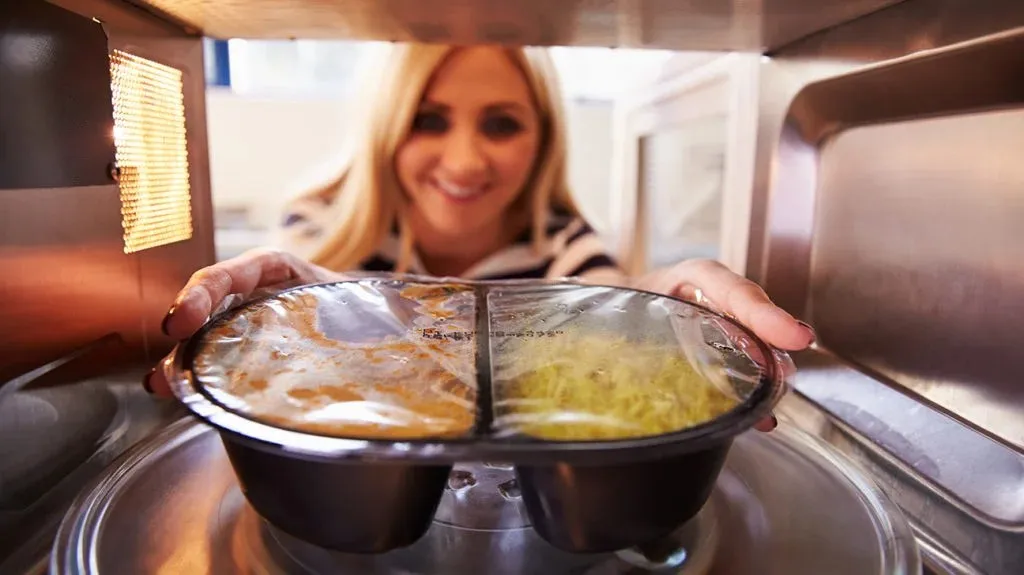 Launching a product without proper testing feels like placing your entire business future on a single roll of the dice. Yet every year, countless food and beverage brands make this exact gamble, convinced that internal confidence and market research can substitute for comprehensive product testing with real consumers.
The statistics paint a sobering picture of what happens when brands take shortcuts with consumer validation. Research shows that approximately 85% of new food products fail within their first year, with many of these failures directly attributable to inadequate testing during development. Skipping essential product testing phases puts your brand reputation, retailer relationships, and financial stability at serious risk.
At Wirral Sensory Services, we’ve witnessed both sides of this equation over nearly three decades. We’ve seen brands transform potential disasters into market successes through rigorous consumer research, and unfortunately, we’ve also observed the costly consequences when companies choose to bypass proper product validation.
Launching a product without proper testing feels like placing your entire business future on a single roll of the dice. Yet every year, countless food and beverage brands make this exact gamble, convinced that internal confidence and market research can substitute for comprehensive product testing with real consumers.
The statistics paint a sobering picture of what happens when brands take shortcuts with consumer validation. Research shows that approximately 85% of new food products fail within their first year, with many of these failures directly attributable to inadequate testing during development. Skipping essential product testing phases puts your brand reputation, retailer relationships, and financial stability at serious risk.
At Wirral Sensory Services, we’ve witnessed both sides of this equation over nearly three decades. We’ve seen brands transform potential disasters into market successes through rigorous consumer research, and unfortunately, we’ve also observed the costly consequences when companies choose to bypass proper product validation.