

Blog Archives | Page 10 of 15 | WSS

Which Feedback Methods Are Available with Home Use Product Testing?

  1. Home
ihut testing

Home use product testing offers brands developing products numerous advantages. From observing how a product performs within its intended environment to studying unscripted user behaviour, this type of testing provides brands with a wealth of feedback that can be used to improve product design and functionality.

But what feedback methods are available with home use product testing (sometimes referred to as in-home use testing)? Well, the good news is that there are several different ways to gather feedback from participants.

Here are four of the most popular methods:

1. Online Questionnaires

One of the cheapest and easiest ways to gather feedback and intelligence from a home use product test is via online questionnaires. These online forms allow participants to provide feedback on their experience in their own words, and brands can use this feedback to improve their products.

There are plenty of options within these questionnaires, from survey-style multiple-choice questions to open-ended questions that encourage participants to provide detailed feedback. This feedback method is an excellent option for brands on a tight budget or those looking to test a product on specific criteria.

2. One-on-One Interviews

Another option for researchers is conducting one-on-one interviews with the product testers. This format can be arranged either in-person or online via video call, allowing for a more in-depth conversation about the product experience.

The obvious advantage of interviews is that you gain more detailed, qualitative feedback from the participants. One-on-one interviews are excellent for uncovering user needs and understanding how a product is being used in the real world.

3. In-Home Observations

In-home observation involves researchers visiting participants’ homes and physically watching them using the products. This type of feedback is incredibly valuable as it allows brands to see first-hand how their products are being used and identify any potential issues.

This technique has saved some of the world’s biggest brands from failure, including Febreze. It’s often complemented with an in-person interview since researchers can ask questions in real time as they observe the product being used.

4. Telephone Surveys

Lastly, another popular option is telephone surveys. They work much in the same way as online questionnaires, except testers are able to provide more detail in their answers, and researchers can ask probing questions to elicit more information.

This feedback method is beneficial for getting insights from hard-to-reach demographics who might not be able to deliver online responses. It also removes some of the potential bias issues that come with trying to give honest feedback to someone in person.

Contact WSS to Discuss Your In-Home Product Testing Needs

Home use product testing delivers various benefits to brands, but the feedback-gathering process can be daunting. If you’re unsure which method is suitable for your needs, get in touch with the team at Wirral Sensory Services.

We have over 25 years of experience conducting in-home product testing for various brands and products. We can tailor both the testing and feedback methodology to your specific needs to deliver the insights you require.

So, if you want to find out more about our in-home product testing services or discuss your requirements in more detail with a member of our team, don’t hesitate to get in touch today.

What Can Your Brand Expect as Part of a Sensory Research Service?

  1. Home
sensory testing

If you’re a startup or established brand looking to secure increased market share, you need to understand your target audience’s preferences. At Wirral Sensory Services, our range of sensory research services help you do just that.

Our team of experts has years of experience conducting research for brands, covering everything from product formulation and packaging to flavour and texture profiles. We use the latest scientific techniques and best practices to provide you with high-quality, reliable data that you can use to make informed decisions about your product development.

With our all-in-one sensory research service, you can test and evaluate your products with confidence, ensuring that your products are appealing to your target demographic.

But what can your brand expect from our sensory research services?

A Comprehensive Understanding of Your Target Audience’s Preferences

Through a range of product testing services, including taste tasting, sensory profiling, and product benchmarking, we will help you to understand your target audience’s preferences. This data can inform your product development and help you decide what flavours, scents, and textures will be most appealing to your customers.

By understanding the key sensory drivers that influence your target audience’s purchasing decisions, you can tailor your products to meet their needs and wants, and ultimately increase market share.

Improved Product Development Decisions

Tweaking production and reformulating products is an expensive undertaking, so the fewer times it needs to be done, the better. Our sensory research services can help you to avoid costly mistakes by rigorously testing products before they go to market.

By investing in a comprehensive sensory research service just once, you can save money in the long run by making informed decisions about your product development. This will result in fewer production errors and a dramatic reduction in time invested and company resources.

A Better Understanding of Your Competitors

To stay ahead of the competition, you need to understand what they’re doing and how they’re able to appeal to your target audience. Our sensory research services can help you to do just that.

You can get an in-depth understanding of your competitor’s products through various analytical methods, including sensory profiling and specific taste testing methodologies. The results of our analyses can then be used to inform your product development, helping you to create products that are even more appealing to your target audience.

Increased Market Share and Sales

Ultimately, our sensory research service can help increase market share and sales. With the insights and data gathered from our research, you can develop more appealing products and improve your chances of market success.

In that regard, sensory research more than pays for itself, and it’s an essential tool for any brand looking to succeed in today’s competitive marketplace.

Contact Wirral Sensory Services Today to Discuss Your Sensory Research Needs

If you’re ready to take your product development to the next level and gain a competitive edge in the market, contact us today to learn more about our sensory research services. We are available by phone on +44 (0)151 346 2999, or you can send an email enquiry to info@wssintl.com.

We look forward to hearing from you soon.

Which Products Are Best Suited to a Home Use Product Testing Service?

  1. Home
home use product testing

Home use product testing is a cornerstone consumer research methodology for many industries. Home use product tests are a type of consumer research in which products are sent to consumers’ homes for them to test in their everyday environment. This allows manufacturers to get feedback on how their products perform in the real world, as opposed to a controlled laboratory setting.

Many different types of products can be tested using a home use product testing service. So, with that in mind, let’s take a closer look at some of the most popular product types evaluated using this methodology.

1. Beauty and Personal Care Products

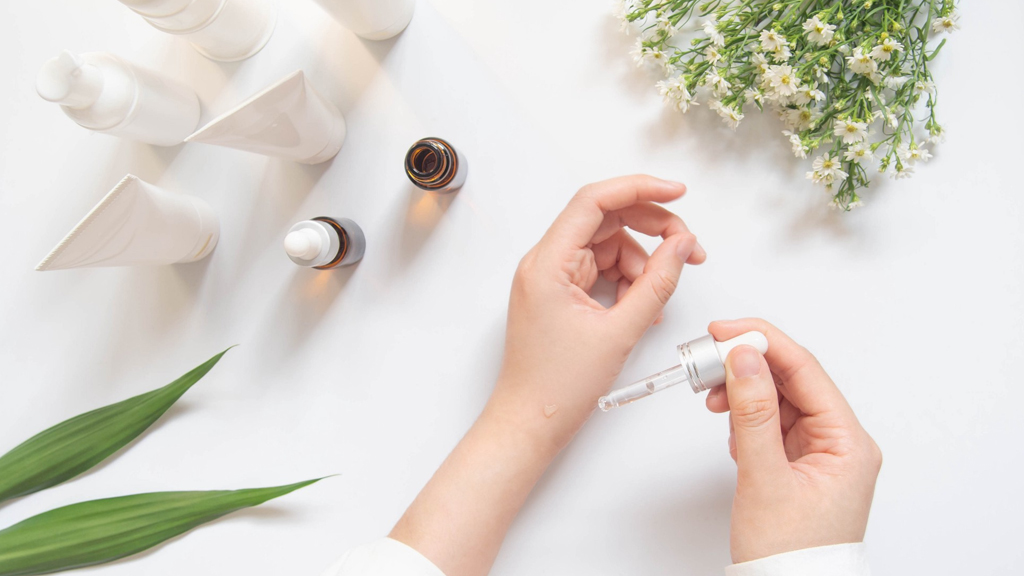
It will come as no surprise that beauty and personal care products are often put through a home use product testing service. While many (if not all) of these types of products (such as deodorants and makeup) will have undergone scientific testing and even clinical trials in a laboratory setting, manufacturers need to understand how their products perform when used in the real world.

This is especially important for products applied to the skin, as everyone’s skin is different, and what works for one person may not work for another. A home use product testing service allows manufacturers to get feedback from a wide range of consumers with different skin types about how their products perform in their intended settings.

2. Cleaning Products

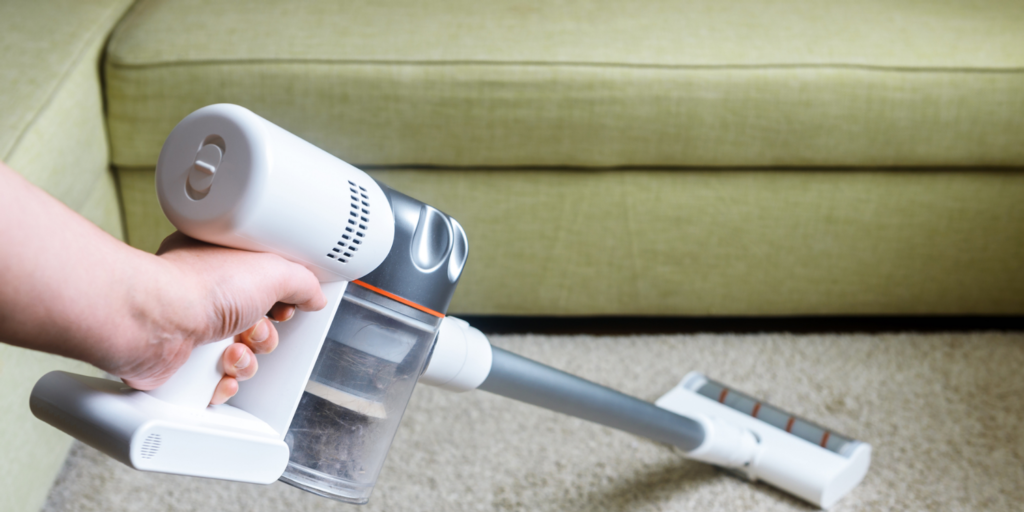
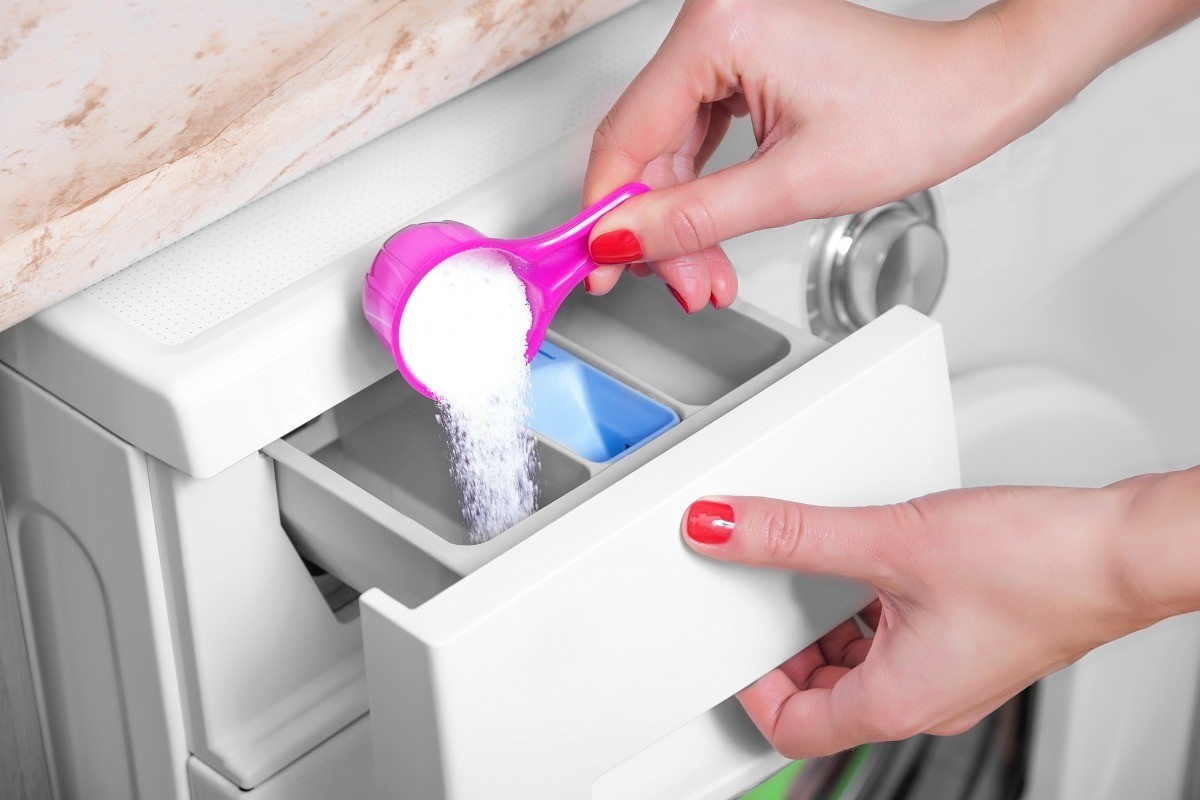
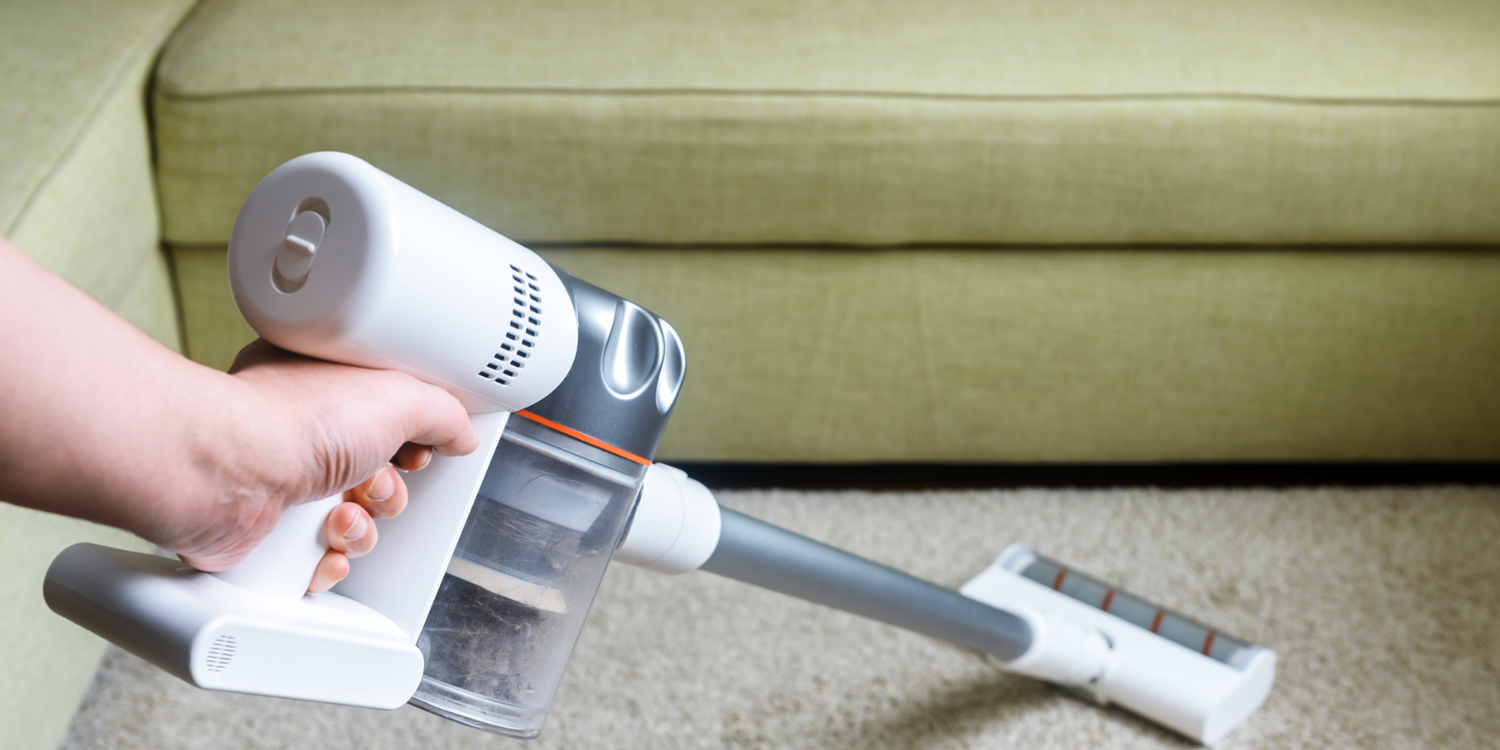
Household cleaning products are another category of products often put through a home use product testing service. This is because, although these products may be very effective in a laboratory setting, they need to be able to stand up to the rigours of everyday use.

Cleaning products are often used in a variety of different ways and on a variety of different surfaces. So, it’s essential for manufacturers to get feedback from consumers about how their products perform in the real world.

Furthermore, as was aptly demonstrated by the home use testing of Febreeze, manufacturers can use these studies to better understand the motivations and habits of their target consumers.

3. Food and Drink Products

Food and drink products are another category of items frequently put through a home use product testing service. This is because it’s important for manufacturers to understand how consumers use their products in domestic settings such as the kitchen, and to get feedback about any issues encountered when cooking or preparing food and drink.

In many cases, the results of home use product tests can be used to improve the packaging or formulation of products so that they are more convenient and easy to use. This can be particularly important for products targeted at busy families or working professionals who don’t have a lot of time to prepare meals from scratch.

Contact Wirral Sensory Services Today for Your Home Use Testing Requirements

As a leading consumer research company with over two decades of experience, WSS has a wealth of experience in conducting home use product tests for a wide range of clients. We have an extensive database of panellists who are experienced and familiar with a wide range of product types and evaluation methodologies.

So, if you’re looking to conduct a home use product test, please don’t hesitate to contact us today. We’ll be more than happy to discuss your specific requirements and provide you with a competitive quote for our home-based research services.

Who is an Efficacy Testing Service Most Useful For? Brands or Consumers?

  1. Home
efficacy testing

When trying to prove the effectiveness of a product, using an efficacy testing service is an obvious choice. But who does this type of testing benefit the most? Is it more useful for brands to test their products before releasing them to the public, gathering data, assessing performance, and making changes based on the findings?

Or is it more useful for consumers, who can use these services to receive unbiased, third-party evidence regarding a specific claim made on product packaging? After all, with the proliferation of marketing and advertising, it can be challenging to determine what is true and what is simply a sales pitch.

Let’s take a look.

Efficacy Testing Services: Why Do Brands Need Them?

A brand that uses an efficacy testing service is looking for an evaluation of performance under specific and well-defined conditions. In other words, they want to know how effective their product is before releasing it to the general public.

For instance, a deodorant manufacturer may want to test how well their product works at masking body odour after a person has exercised. They would work with an efficacy testing service to create a study that would mimic real-world conditions as closely as possible.

These results could then be analysed and used to make changes to the product formulation, support marketing claims, or both. In this way, an efficacy testing service is used as a tool for quality control, helping to ensure that products meet customer expectations.

Efficacy Testing Services: How Do Consumers Benefit?

When a product makes a claim, it’s not always easy for consumers to know whether or not to believe it. This is where an efficacy testing service can be beneficial. By conducting a thorough and unbiased evaluation, these services can provide consumers with the information and confirmation they need to make an informed purchase decision.

For example, say you’re looking for a new skincare cream, and you come across one that claims to reduce wrinkles in just seven days. You might be sceptical, but if you find that an efficacy testing service has corroborated this claim, you’ll be more likely to give the product a try.

In a world littered with fake news and false advertising, efficacy testing services provide a much-needed service by offering consumers reliable and trustworthy information.

Who Needs Efficacy Testing Services Most?

Ultimately, it’s not easy to say who needs efficacy testing services more between brands or consumers. They both have a vested interest in product performance and could potentially benefit from the findings of a well-conducted study.

However, it’s fair to say that brands have more to gain from efficacy testing services, as they can use the results to improve their products, support marketing claims, and boost customer satisfaction. Consumers also benefit, but only if they’ve had the results of those research projects and studies effectively communicated to them.

Speak to Wirral Sensory Services Today to Discuss Your Efficacy Testing Needs

At WSS, we help leading brands develop and fine-tune their products to meet and exceed customer expectations. We understand the importance, now more than ever before, of testing and providing evidence to support specific product marketing claims.

So, if you’re looking for an efficacy testing service that can help your brand succeed, we’d love to hear from you. Get in touch with our team today to discuss your specific needs.

Taste Testing Companies

  1. Home
taste testing food

Taste testing is a vital component of consumer research for food and beverage companies. It allows manufacturers to identify potential problems with their products, gauge consumer acceptance, and make necessary adjustments prior to widespread distribution.

As one of the UK’s leading taste testing companies, Wirral Sensory Services offer a comprehensive range of taste testing services to food and beverage companies of all sizes.

What Do Taste Tasting Companies Do?

Consumer research companies offering taste testing services construct and execute research products involving both members of the public and trained panellists. In short, they organise and run numerous tests, including taste tests.

Taste tests are often used in product development to help manufacturers make informed decisions about recipe changes and new product launches. They are also commonly used in marketing to help assess the potential success of new flavours.

A taste test usually involves ranking products based on attributes such as flavour, aroma, texture and appearance. The results of taste tests can be used to help shape or validate marketing plans and make decisions about product reformulation.

What Are the Benefits of Partnering with a Taste Testing Company?

There are numerous advantages to teaming up with a taste tasting company, including:

  • Access to a team of experienced taste testers, both members of the public and experienced trained panellists.
  • A comprehensive range of taste testing services, including central location tests.
  • Customised taste tests to suit your specific needs.
  • In-depth analysis of taste test results to help inform your decision-making.

Whether you’re looking to gather intelligence on the performance of your product’s taste versus the competition or wanting to assess the potential of a new flavour, taste testing is an essential tool.

You can also combine taste testing with sensory profiling to understand what makes the best products taste so good. This could help you to either improve your existing products or create new ones that are sure to be market leaders.

Lastly, positive blind taste test results are an excellent marketing tool. You can present your findings to retailers to demonstrate demand and encourage them to stock your products. You can also mention the results in your promotional materials to give potential customers the confidence to try your products.

Why Choose Wirral Sensory Services for Your Taste Testing Requirements?

At Wirral Sensory Services, we’ve been providing industry-leading taste testing services to leading international brands, startups, and everything in between for over 20 years. We offer a comprehensive range of taste testing services and can tailor our testing to meet your specific needs.

Whether you wish to commission taste testing research with members of the public in neutral locations such as shopping centres, or you need experienced taste testers with acute sensory skills to provide in-depth analysis, we can help.

We also offer a range of other consumer research services which can be combined with taste testing, such as packaging research, in-home use tests, and online surveys.

To find out more about our taste testing services and how we can help you, contact us today. We’ll be happy to discuss your requirements and provide a free, no-obligation quote.

Sensory Testing

  1. Home
sensory research

Sensory testing is a vital component of product development for many leading brands. It allows manufacturers to assess how a product will be perceived by consumers and make necessary adjustments before it hits the market. Sensory testing can provide invaluable insights into consumer preferences and help ensure that products meet or exceed customer expectations.

You can perform many types of sensory tests, and the methodology you choose will depend on the specific product, and what aspects of sensory perception are being evaluated.

What is Sensory Testing?

Simply put, sensory testing evaluates food based on its sensory properties – such as taste, smell, texture, appearance, and flavour.

A sensory test usually involves a trained panel of tasters who will score the product on different attributes. The results of these sensory tests can then be used to improve the recipe or manufacturing process, ensuring that the final product is of the highest quality.

How is Sensory Testing Used By Leading Food and Beverage Manufacturers?

Sensory testing can be an essential tool for manufacturers as it allows them to:

  • Assess how consumers will perceive a product
  • Make necessary adjustments before it hits the market
  • Ensure that products meet or exceed customer expectations
  • Gain insights into competitor products
  • Understand the impact sensory perceptions can have on a specific product

By undertaking sensory testing, manufacturers can be sure that their products are of the highest quality, will secure customer acceptance, and have a competitive advantage in the marketplace.

What Are The Different Types of Sensory Tests?

Many different types of sensory tests can be performed, depending on the product and what aspects of sensory perception need to be evaluated. Some standard sensory tests include:

  • Paired comparison test: This test compares two products side-by-side and identifies which one has more of a specific sensory attribute.
  • Triangle test: This test is used to compare three products, two of which are identical and one which is different. The subjects are then asked to identify the odd-one-out.
  • Duo-trio test: This test is used to identify differences between products and investigates which sensory attributes are driving those differences. Often administered immediately after the triangle test.

Sensory tests such as these will be carried out by a panel of trained assessors, who use their acute senses to identify any sensory differences between products.

What Are The Benefits of Sensory Testing?

Subjecting your product(s) to numerous rounds of sensory testing is beneficial for several reasons, including:

  • You will be able to identify potential sensory issues before the product hits the market, saving you time and money in the long run.
  • Sensory testing can provide insights into how your product will be perceived by consumers and what sensory attributes are most important to them.
  • You can use sensory testing to benchmark your product against competitors and ensure that it is of the highest quality.
  • Sensory testing can be used to improve the recipe or manufacturing process, ensuring that the final product is of the highest quality.

Contact Wirral Sensory Services Today for All of Your Sensory Testing Needs

As one of the UK’s leading sensory research companies, Wirral Sensory Services can help you with all of your sensory testing needs. We have a vast pool of highly trained and experienced sensory panellists who can perform various sensory tests, providing you with the insights you need to improve your product.

From testing recipe reformulations to stacking your new product up against the competition, we can help. Contact us today to learn more about our sensory testing services or to discuss your specific needs.

5 Things You Need to Know About Home Use Product Testing

  1. Home
home use testing

Home use product testing is an excellent way to develop critical insights about how a product will perform once it hits store shelves. In some cases, it can even revive a failing product by allowing manufacturers to better understand how customers interact with it.

However, there are still a lot of misconceptions and confusion surrounding home use product testing – especially regarding how it’s conducted. So, with that in mind, here are five things you need to know about home use product testing.

1. Home Use Product Testing Allows You to Test Products in Their Actual Environments

It’s important to understand that these tests are not conducted in neutral settings or “mocked-up” homes. These are real people testing products in real homes – giving manufacturers a much better idea of how their products will actually perform once they’re “out in the wild.”

It removes the guessing game and allows manufacturers to get an accurate idea of how their products will fare in terms of customer satisfaction.

Rather than testing in sterile, laboratory conditions, home use product testing provides a more accurate picture of how customers will interact with a product in their own homes. This is critical information for any manufacturer, as it can help them determine whether a product is ready for release or if there are still some kinks that need to be worked out.

2. Both Positive and Negative Feedback is Valuable

There’s no such thing as bad feedback when testing in a home-based environment. In fact, consecutive negative feedback is every bit, if not more, valuable than positive feedback.

While it may be painful to hear that your product isn’t performing as well as you’d hoped, this type of feedback is essential for making the necessary adjustments to ensure that the final product is up to scratch. 

On the other hand, a string of positive feedback can be just as valuable. For instance, it can help validate your decision-making and give you the confidence to move forward with a product.

3. Home Use Product Testing Feedback is Highly Customisable

The type of feedback and data you collect during a home use product test is entirely up to you. There is a common misconception that in-home testing revolves around surveys. However, while surveys are certainly an option, they are by no means the only method of collecting feedback.

Some manufacturers prefer to collect qualitative data through interviews or after-test focus groups. Others opt for a more quantitative approach, using sensors or trackers to collect data points on everything, from how often a product is used to how long it takes to complete a task.

The bottom line is that the data you collect during a home use product test can (and should) be tailored to your specific needs and objectives.

4. Home Use Product Tests Can be Branded or Blind

There’s no requirement to have your branded products tested in a home use product test. In fact, some manufacturers choose to have their products tested “blind,” meaning that customers are unaware that they are testing a particular brand.

The advantage of conducting a blind home use test is that it allows you to collect unbiased feedback about your product’s performance relative to its competitors. This can be incredibly valuable information, as it can help you to identify your product’s strengths and weaknesses.

On the other hand, some manufacturers choose to brand their products during home use testing, allowing them to not only collect feedback about the product itself but also about the customer’s experience with, and perceptions of, the brand.

5. Home Use Product Tests Still Offer Demographic Targeting

As is the case with most consumer research methods, home use product testing still allows companies to select their target demographic.

For example, a company may be interested in testing its new cleaning product with stay-at-home mothers. In this case, the company would work with a home use product testing company to identify and recruit women who fit this particular demographic.

Experienced and long-established companies such as Wirral Sensory Services have developed an extensive pool of reliable participants from diverse backgrounds, making it easy to target specific demographics.

What Packaging Research Reveals About the Colour of Your Brand’s Products

  1. Home
craft beer

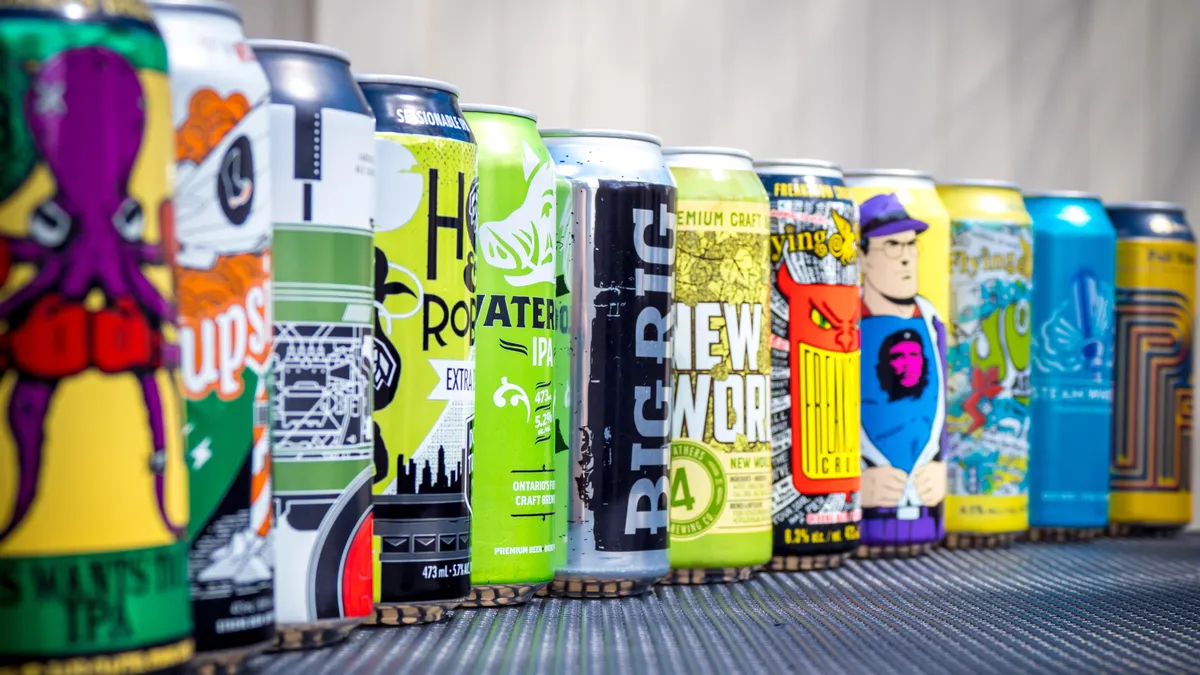
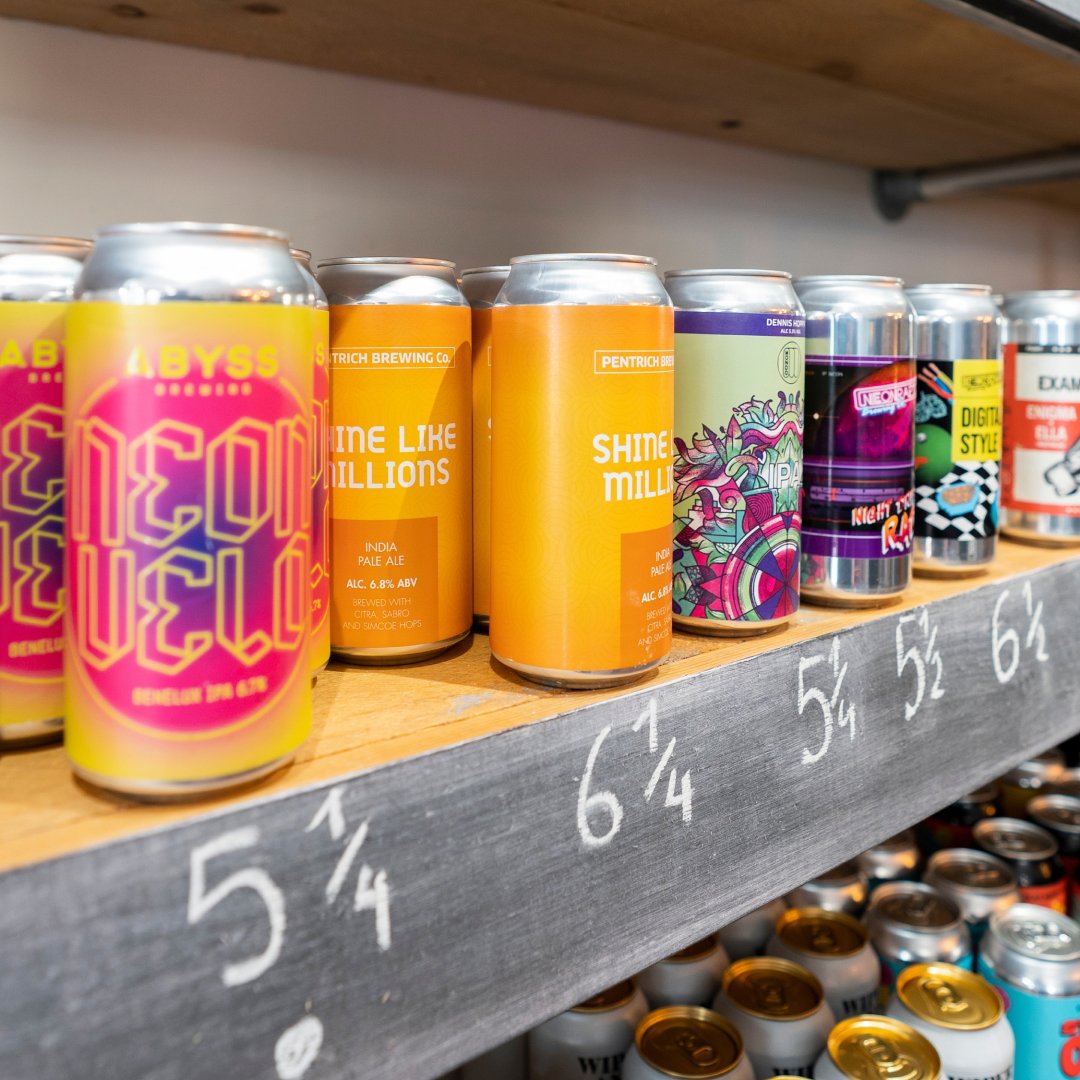
The colour of your packaging plays an integral role in the way consumers perceive your product. In fact, 85% of customers buy products based on colour alone. And yet, many companies overlook the importance of colour in their packaging design.

The colour palette you decide can be the difference-maker in whether or not your product stands out on the shelves. To ensure that potential customers are drawn to your product, it’s vital to consider the psychological effects of colours when designing your packaging.

Below, we’ll explore what consumer research has revealed about the impact of colours on consumers’ purchasing decisions.

The Psychology Behind Packaging Colours

People tend to react differently to different colours. However, there are overriding trends that exist across cultures driven by psychology.

For instance, research has uncovered that brighter colours tend to reduce the seriousness of packaging, grey or brown make the packaging conservative or masculine, pink adds a feminine touch, and red draws attention. Of course, all colours exist on a spectrum, and the shade, strength, and tone of the colour will also affect how it is perceived.

You can also use colours to create a certain mood or feeling. For instance, blue is often seen as trustworthy, green is associated with nature and relaxation, and black can convey sophistication.
Now that we understand the psychological effects of colours, let’s explore how you can use them to increase sales.

Choosing the Right Colours for Your Product’s Packaging

The colours you use on your packaging should be carefully chosen to target your desired audience. Consider the following:

  • Who is your target market?
  • What feeling do you want your product to evoke?
  • What colours does your competition use?
  • How do colours tend to be used in your category or market segment?

Don’t forget that you may also want your colour choices to physically represent your product. For instance, shampoo bottles and drinks products are often the same colour as their flavour (e.g. red for strawberries or green for mint).

You’ll also want to consider how your colours will look when printed on your packaging. For example, white text can be challenging to read on light-coloured packaging. By contrast, if you’re using a white background, make sure the colours you choose will show up clearly and contrast well.

Your packaging colours should also be chosen to complement each other. You’ll want to create a colour palette that is visually appealing and works together to achieve your desired mood or feeling.

Once you’ve considered these factors, you can begin to narrow down your choices. If you’re still unsure which colours to use, consider contacting a consumer research company with experience in this area.

craft beer packaging research

Final Thoughts on the Impact of Colours in Packaging

The colours you use on your product’s packaging can significantly impact consumer perception. When choosing colours for your packaging, it’s important to consider the psychological effects of colours as well as the current trends in your industry. It’s also crucial to ensure that your colours work well together and complement each other.

If you’re a startup brand or an established market force looking to test and trail packaging ideas, speak to us about how we can help.

At WSS, we understand the importance of colours in packaging design. We can help you create packaging research projects that will test your hypotheses and deliver the insights you need to make informed decisions about your product’s packaging.

From choosing colours that attract the most attention on supermarket shelves to those that convey the right message about your product, we can design and execute packaging research and focus group studies that will help you achieve your desired objectives.

To learn more about how we can help, contact us today on +44 (0)151 346 2999 or via email at info@wssintl.com.

What Are Some of the Most Common Sensory Testing Methodologies?

  1. Home
sensory testing beer

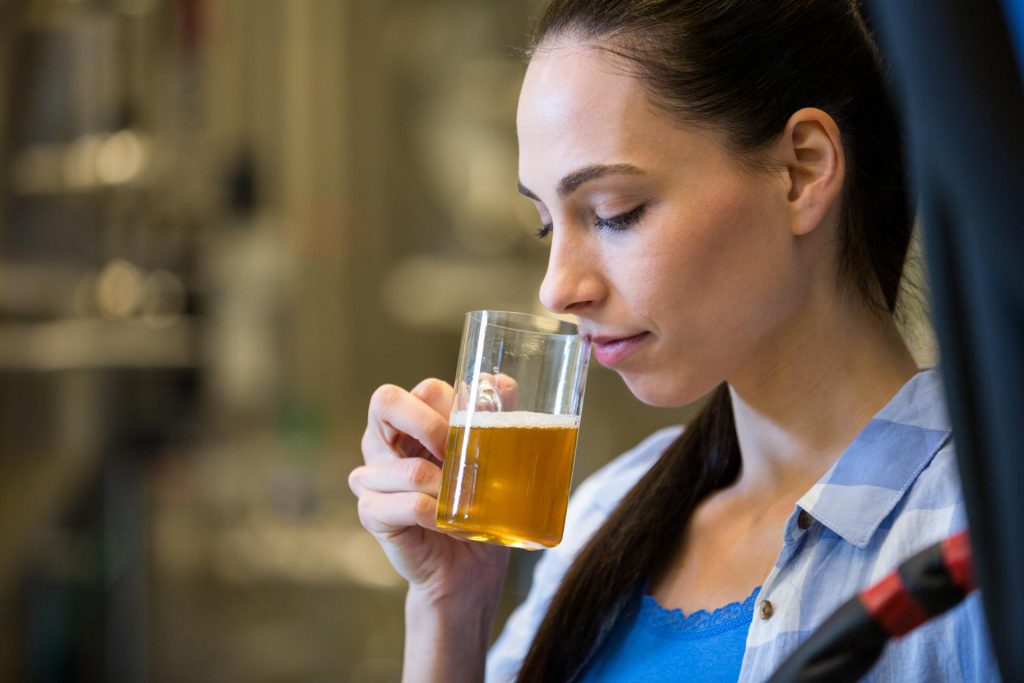
Sensory testing plays a vital role in the development of food products. It helps ensure that products are appealing to consumers and that they contain many of the traits of current market leaders.

There are many different sensory testing methodologies available to test the sensory differences between products, each with its own advantages and disadvantages. However, three principal sensory tests are commonly used in the food industry to better understand product differences. Below is an overview of each of these sensory difference testing methodologies.

The Paired Comparison Test

Undoubtedly one of the most prevalent sensory difference tests, the paired comparison test, is used to indicate which of the two samples has more of an attribute.

This test is the most straightforward and quick to administer, which is why it is so popular. It is, however, limited in that it can only compare two products at a time, and it doesn’t provide a measurement of the degree to which one product is preferred over the other.

The Triangle Test

Triangle tests determine whether detectable sensory differences exist between two products. These tests are most commonly used for reformulated products when brands want to understand whether the new product is significantly different from the old one.

The triangle test involves presenting subjects with three products, two of which are identical and one which is different. The subjects are then asked to identify the odd-one-out.

If the subjects can correctly identify the different products more than would be expected by chance, then it can be concluded that there are detectable sensory differences between the two products.

One of the reasons the triangle test is preferred to other options, such as the paired comparison test, is that it’s more statistically significant, as there is less probability of choosing a correct result by simply hazarding a guess.

The Duo-Trio Test

Another popular choice for sensory difference testing is the duo-trio test. Using this methodology, a tester is asked to identify which of any given samples are identical to a given reference sample.

Not only is the test easily carried out and understood, but it’s particularly well suited to testing how ingredient changes, process changes, and different packaging materials affect the taste, smell, or texture of a product.

This test is often used as a follow-up to the triangle test to help understand which specific attributes are responsible for product differences.

Speak to Wirral Sensory Services Today Regarding Your Sensory Testing Requirements

When choosing a sensory testing methodology, it is essential to consider the objectives of the test and the type of product being tested. Each of the methodologies listed above has its own strengths, statistical significance, and suitability parameters, so it is vital to select the best suited for the particular product and situation.

At Wirral Sensory Services, we have a team of sensory experts who can advise you on the best testing methodology for your needs. We offer various services, from product optimisation and concept testing to sensory research and in-home use tests, for many leading brands and businesses in the food and beverage industry.

For more information or to discuss your sensory research requirements, please get in touch with us today.

How Sensory Testing Helps in the Development of Plant-Based Food Products

  1. Home
sensory testing plant based food

With a 30-fold increase in the number of vegans over the last 15 years, food brands are now in a race to tap into this ever-growing market. And while there’s been an explosion of plant-based products, from vegan cheese to plant-based meat, the development of plant-based foods replicating the full range of textures and flavours that we associate with animal-based foods is still lacking.

Texture is an important factor in determining the consumer acceptability of a plant-based product, as is smell and taste. In the case of plant-based foods, these sensory properties are often different from their animal-based counterparts.

However, with in-depth sensory testing, brands can establish what consumers do and don’t like about a product and work to improve the formulation to better match consumer expectations.

What Are The Challenges Currently Facing Plant-Based Food Brands?

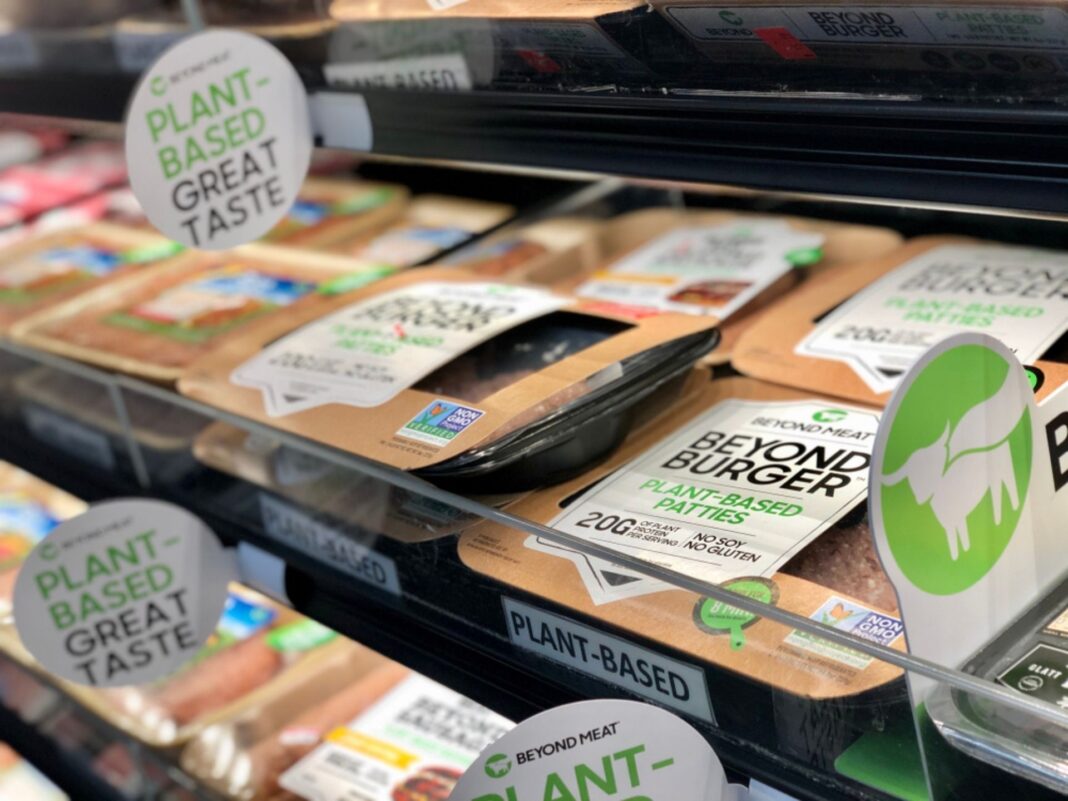
The primary problem facing producers of products such as vegan cheese and meat products (such as vegan burgers) is that the final product often doesn’t have the same appearance, taste, or texture as the animal-based food it’s trying to imitate.

This can be a particular issue with vegan cheese, which often has a different colour, consistency, and mouthfeel than traditional dairy cheese. The same is true of plant-based meat products, which often lack the juiciness, tenderness, and chewiness that consumers expect from meat.

As a result of these issues, many plant-based products fail to live up to the expectations of consumers, who are often disappointed with the final product, leading to poor sales figures and, in some cases, products being pulled from store shelves altogether.
plant based food

So, How Can Sensory Testing Help?

In-depth sensory testing can help plant-based food brands understand the textures, flavours, and aromas that consumers associate with a particular animal-based food and develop a product that more closely matches these consumer expectations.

This specific kind of testing often goes beyond simply asking consumers whether they like or dislike a product. Instead, it uses trained sensory panellists to evaluate the product in detail, looking at factors such as the flavour and texture profile.

This kind of information is invaluable for brands, as it can help them to improve the formulation of their products to better match consumer expectations, leading to improved sales and customer acceptance.

Brands utilising methodologies including product optimisation can also use current market leaders in plant-based categories as benchmarks, understanding in detail what consumers like and don’t like about these products, and using this information to improve their own formulations.

Partner With an Industry-Leading Sensory Research Firm to Create Better Plant-Based Foods

With a growing consumer trend toward lower meat consumption and an ever-increasing number of people following plant-based diets, there’s a clear opportunity for brands to tap into this market.

However, it’s crucial for brands to ensure that their products match consumer expectations in terms of taste, texture, and aroma, as many plant-based products currently on the market fail to achieve widespread consumer acceptance.

In-depth sensory studies can help brands understand what consumers want from plant-based foods, and develop products that better match these expectations. If you’re looking to develop a new plant-based food or want to further develop your existing range, partner with an experienced sensory research firm to ensure that your products are the best they can be.

At WSS, we have over 25 years’ experience conducting sensory research for leading food and drink brands. Our expert panellists are adept at evaluating plant-based products in detail, providing invaluable insights that can help you improve your formulation and better match consumer expectations.

To find out more about our services, or to discuss your requirements with one of our team, get in touch today on +44 (0)151 346 2999 or via email at info@wssintl.com.