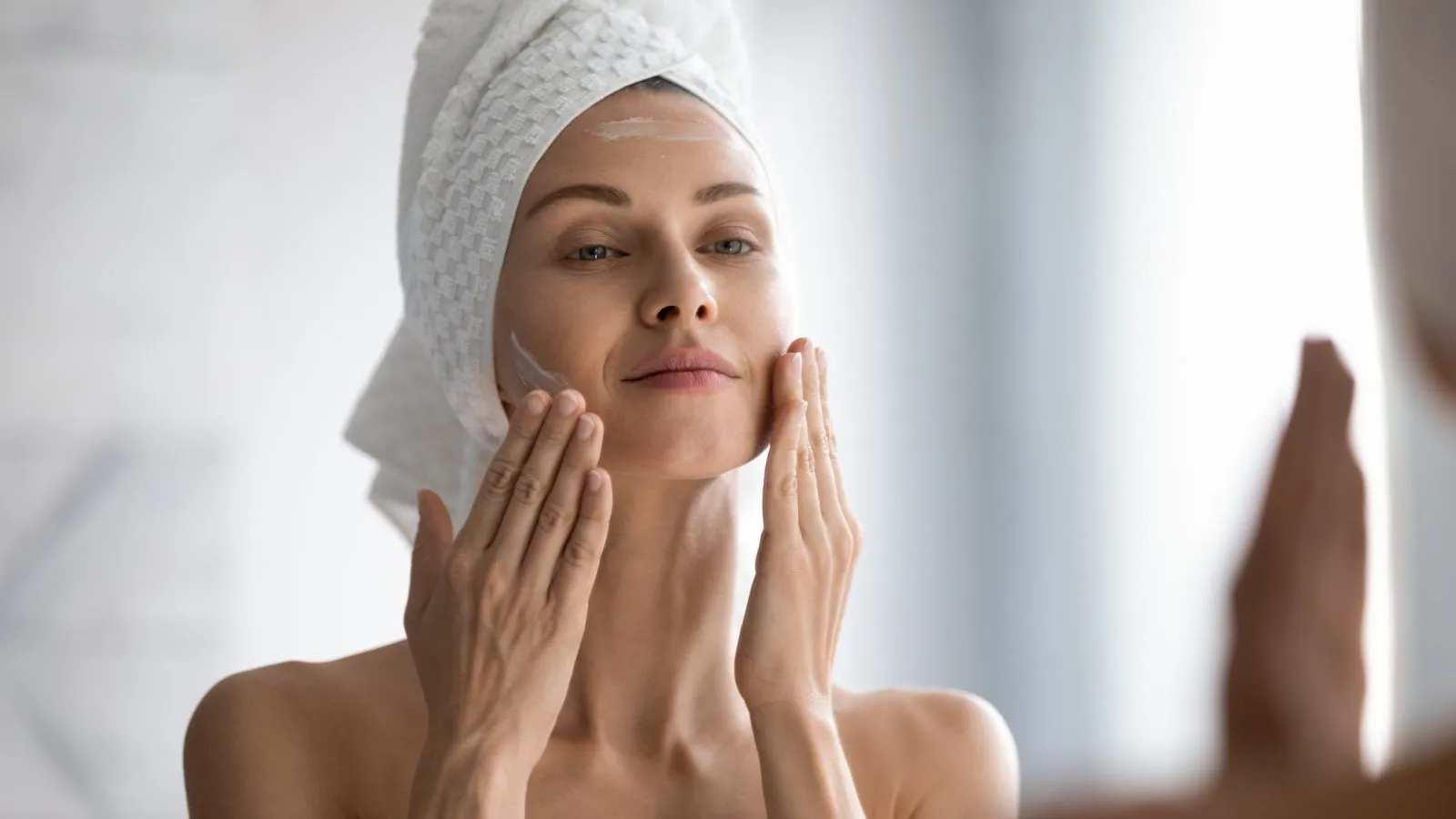
Blog Archives | Page 7 of 15 | WSS

The Ultimate Guide to Sensory Profiling in Consumer Research

sensory testing Understanding consumer preferences and behaviors is pivotal for businesses looking to create products that truly resonate with their target market. Sensory profiling, a key component of consumer research, offers invaluable insights into how consumers perceive products through their senses, which can significantly influence their buying decisions. Wirral Sensory Services specialises in leveraging these insights to optimise product development and marketing strategies. In this comprehensive guide, we’ll explore the intricacies of sensory testing and why it’s an essential tool for anyone involved in product development and marketing.

What is Sensory Profiling?

Sensory profiling in consumer research refers to the scientific method used to measure, analyse, and interpret the responses of individuals to products as perceived by the senses of sight, smell, touch, taste, and hearing. It is a structured approach that involves a panel of trained assessors who describe the sensory characteristics of products and help in understanding consumer preferences. The process involves detailed testing with trained panels or consumer groups who provide objective data on the sensory attributes of a product. This data is crucial for understanding consumer preferences and improving product offerings.

The Role of Sensory Testing in Product Development

Sensory testing plays a vital role in product development. It helps in identifying which product attributes are most liked or disliked by consumers. This information can be crucial when making decisions about product formulations, packaging, and marketing strategies. Sensory profiling provides actionable insights that can lead to the enhancement of existing products or the successful launch of new ones. sensory evaluation

The Sensory Profiling Process

Sensory profiling is not a one-size-fits-all approach; it varies depending on the product and research goals. However, the general process typically involves several key steps:

1. Defining Objectives and Designing the Test

Before any sensory test can begin, clear objectives must be set. What do you want to learn from the sensory profiling? Are you comparing your product with competitors’, or are you trying to understand the sensory attributes of a new product line? Once the goals are established, the test can be designed accordingly, considering factors such as the number of samples, attributes to be measured, and the environment in which the test will take place.

2. Selecting and Training the Sensory Panel

The sensory panel is the heart of sensory profiling. Panelists are typically screened for their sensory acuity and then trained to recognise and articulate the sensory attributes of the products being tested. The training ensures consistency in the evaluation and accuracy in the results.

3. Conducting the Sensory Test

During the sensory tests, panelists evaluate the products based on the predetermined set of attributes. The conditions of the testing environment are controlled to minimise external influences and distractions.

4. Analysing and Interpreting Data

The data collected from the sensory tests are then analysed statistically to identify patterns and preferences. This analysis can reveal strengths and weaknesses in a product’s sensory attributes and guide product improvement or development. taste testing

The Importance of Sensory Profiling in Consumer Research

Sensory profiling is more than just tasting a product; it’s a comprehensive examination of all the senses. Here’s why it’s important:

Helps Understand Consumer Preferences

By utilising sensory profiling, companies can get a detailed understanding of what consumers prefer. This can lead to the development of products that better meet consumer expectations and, as a result, are more successful in the market.

Supports Product Optimisation

Sensory profiling can identify which sensory attributes contribute to a product’s likeability, which can be crucial for product optimisation. Modifying a product based on sensory data can improve its acceptance among consumers.

Enhances Marketing Strategies

Understanding the sensory attributes that are most appealing to consumers can also inform marketing strategies. Highlighting these attributes in advertising can resonate more with consumers and drive sales.

Improved Market Positioning

Sensory profiling helps identify the unique selling points of a product based on its sensory attributes, which can be used to differentiate it in the marketplace.

Quality Control

Regular sensory testing ensure consistency, helping maintain product quality and consumer trust over time.

Cost Efficiency

By identifying potential product issues early in the development process, sensory profiling can save costs associated with product failures and recalls. consumer research

Sensory Profiling Techniques

There are several techniques used in sensory profiling, each with its own set of applications:

Descriptive Analysis

This method involves a trained panel that provides a detailed description of the sensory attributes of a product. It’s one of the most comprehensive forms of sensory testing and can provide a deep understanding of a product’s sensory characteristics.

Discrimination Testing

Discrimination testing is used to determine whether there are detectable differences between products. This can be useful when a company has made a change to a product and wants to know if that change is perceptible to consumers.

Affective Testing

Affective testing, also known as consumer testing, is used to determine consumer preferences. It involves untrained consumers who provide feedback on how much they like or dislike a product.

Challenges of Sensory Profiling

While sensory profiling is a powerful tool, it comes with its own set of challenges:

Subjectivity

Even with trained panelists, there can be a degree of subjectivity in the results. It’s essential to have a large enough panel and proper statistical analysis to ensure reliability.

Cost and Time

Sensory profiling can be time-consuming and expensive. It requires the recruitment and training of panelists, as well as the creation of a controlled testing environment.

Keeping Up with Consumer Trends

Consumer preferences can change rapidly, and sensory profiling needs to adapt accordingly. Ongoing research and flexibility in the process are necessary to stay relevant. beer sensory testing

Case Studies of Sensory Profiling From Wirral Sensory Services in Action

To illustrate the power of sensory profiling, let’s look at a few real-world examples of successful sensory profiling from Wirral Sensory Services.

A Brewery’s Success

Wirral Sensory Services used sensory profiling to test various flavor formulations for a national brewery . The results helped them identify the most preferred flavors, which led to the successful launch of a new line of craft beers that outperformed expectations.

Revitalising a Snack Brand

A snack brand was losing market share and utilised sensory profiling to understand why. The insights gained from working with Wirral Sensory Services led to recipe adjustments that improved taste and texture, resulting in regained popularity and increased sales. food concept testing

Conclusion: Sensory Profiling as a Key to Consumer Satisfaction

In the competitive landscape of consumer goods, sensory profiling stands out as a critical tool for understanding and catering to consumer preferences. By integrating sensory testing into their research and development processes, companies can make informed decisions that lead to successful products. With its ability to provide detailed insights into how consumers perceive products, sensory profiling in consumer research offers a strategic advantage for businesses aiming to enhance their offerings and achieve market success. Remember, the ultimate goal of sensory profiling is not just to collect data but to translate that data into tangible improvements in product design, marketing, and overall consumer satisfaction. At Wirral Sensory Services, we are dedicated to helping businesses harness the power of sensory insights to achieve remarkable success in their markets. Whether you are in the food and beverage industry, personal care, or any other sector, our team is here to help you understand and optimise your products’ sensory attributes. Get in touch to discover more about how our sensory profiling services can elevate your consumer research efforts.


Consumer Research Services

In today’s highly competitive market, businesses need to deeply understand their target audience to create products that resonate with consumers. Consumer research is a critical tool that helps companies gain valuable insights into consumer preferences, behaviours, and attitudes. Leveraging these insights allows businesses like yours to make informed decisions about product development, marketing strategies, and overall brand positioning. At Wirral Sensory Services, we specialise in providing comprehensive consumer research solutions to help businesses of all sizes achieve their goals. With almost three decades of experience in the industry, our team of experts has the knowledge and skills to deliver actionable insights that drive success. ihut food

The Importance of Consumer Research

Consumer research is essential for businesses looking to stay ahead in today’s ever-changing consumer market. By conducting thorough research with potential customers, companies can:
  • Identify target audience preferences and needs
  • Understand consumer perceptions of their brand and products
  • Assess the viability of new product ideas
  • Evaluate the effectiveness of marketing campaigns
  • Gain a competitive edge by staying attuned to market trends
Investing in consumer research allows businesses to make data-driven decisions, minimising the risk of product failures and ensuring that resources are allocated effectively. tide pods

Our Comprehensive Consumer Research Services

At Wirral Sensory Services, we offer a wide range of consumer research services tailored to meet the specific needs of our clients. Our services include but are not limited to:
  • Taste Testing: We conduct taste tests to help food and beverage companies optimise their products and meet consumer expectations.
  • Sensory Profiling: Our trained panellists, who have higher than average sensory acuity, assess products against key parameters, providing objective measurements and generating unique product profiles.
  • Home Use Testing: Our home use tests allow consumers to try products in their own homes, providing real-world feedback on product performance.
  • Efficacy Testing: Our efficacy testing provides data-driven support for product claims, helping businesses substantiate their marketing messages and stand out from competitors.
  • Packaging Research: Our packaging research helps companies optimise their packaging designs to attract and engage consumers.
These are merely a selection of our consumer research services. The complete list of our services is available here. in-home usage test

Our Approach to Consumer Research

At Wirral Sensory Services, we take a collaborative approach to consumer research. We work closely with our clients to understand their unique needs and objectives, tailoring our consumer research methods to deliver the most valuable insights. Our experienced researchers and analysts use cutting-edge techniques and technologies to gather and interpret data. We pride ourselves on providing clear, actionable recommendations that help our clients make informed decisions and achieve their goals. burger

Why Choose Wirral Sensory Services for Consumer Research?

Choosing the right consumer research partner is crucial for the success of your business. At Wirral Sensory Services, we offer:
  • Expertise: Our team has over 25 years of experience in consumer research, working with leading brands across various industries.
  • Customisation: We tailor our research methods to meet each client’s specific needs, ensuring that we deliver the most relevant and valuable insights.
  • Quality: We are committed to delivering the highest quality research services using robust methodologies and advanced technologies.
  • Partnership: We work closely with our clients, becoming an extension of their team and providing ongoing support and guidance.
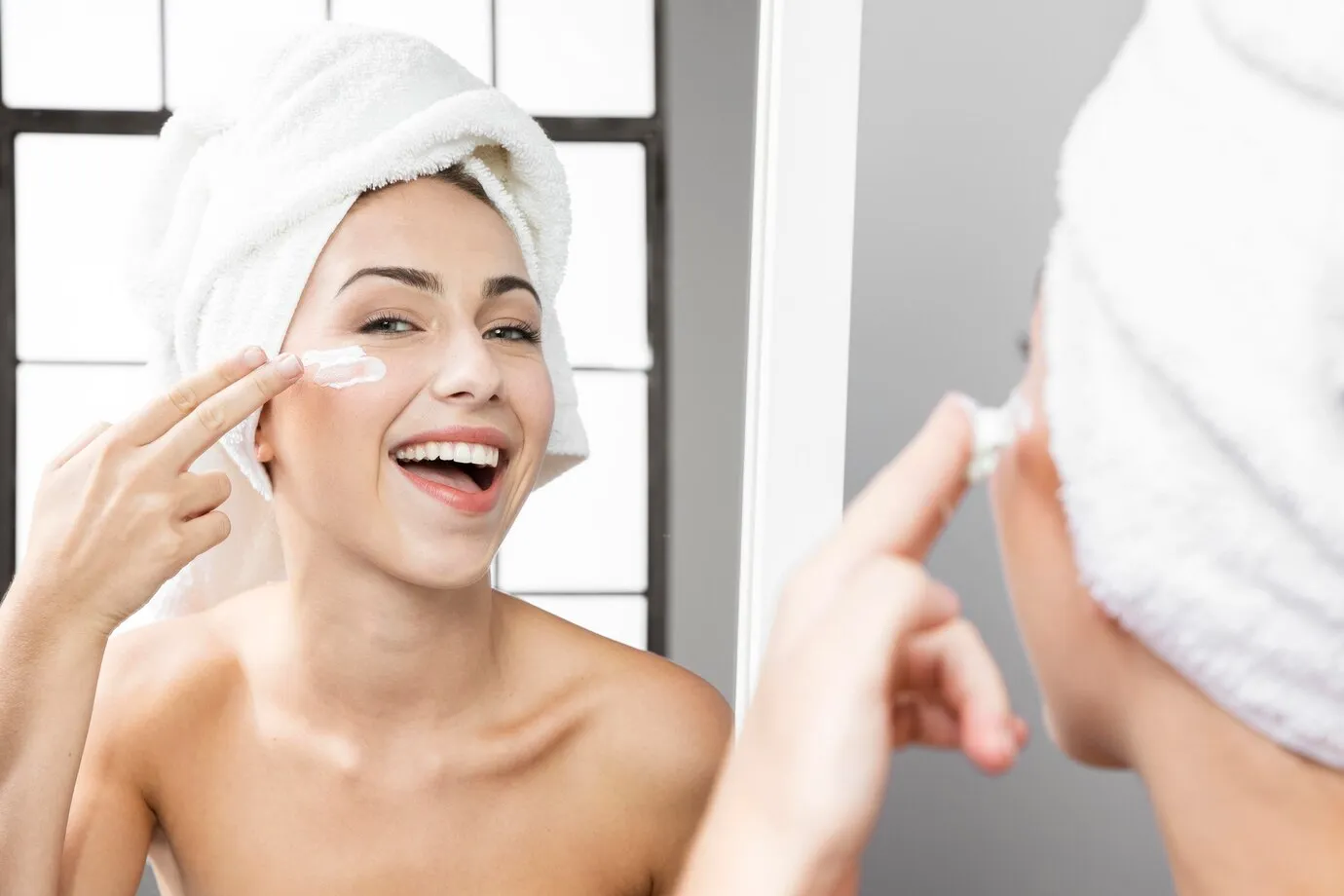
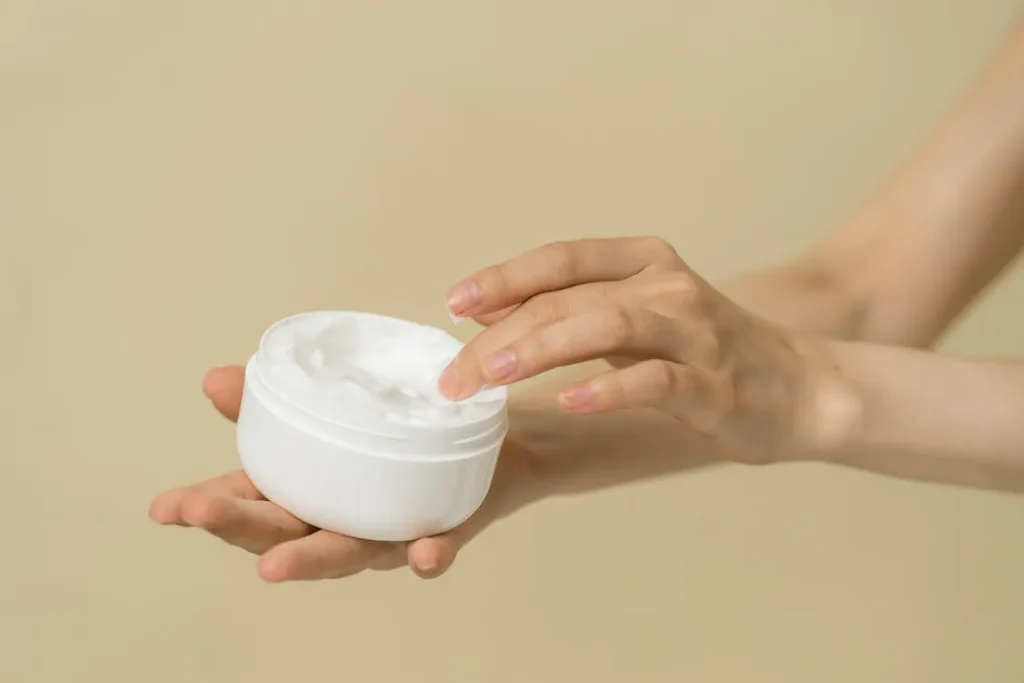
ihut facial cream

Unlock the Power of Consumer Insights with Wirral Sensory Services Today

Consumer research is a powerful tool to help businesses unlock valuable insights and achieve their goals. At Wirral Sensory Services, we are dedicated to helping our clients succeed by providing comprehensive, tailored consumer research solutions. Whether you’re looking to optimise your products, better understand your target audience, or evaluate the effectiveness of your products, we have the expertise and experience to deliver the insights you need. Contact us today at +44 (0)151 346 2999 or info@wssintl.com to learn more about how we can help you unlock the power of consumer insights and drive your business forward.

What Are Some of the Key Challenges of Home Use Testing?

Home use testing, also known as in-home usage testing (IHUT), is a valuable tool for brands seeking real-world product feedback and insights. By allowing consumers to test products in their own homes, brands can gain a deeper understanding of how their products perform in everyday situations and identify areas for improvement. However, while home use testing offers numerous benefits, it also presents some unique challenges. So, let’s explore some of the key challenges of home use testing and how brands can overcome them.

Challenge 1: Ensuring Participant Engagement and Compliance

One of the primary challenges of home use testing is keeping participants engaged and compliant throughout the testing period. Unlike in-lab testing, where researchers can directly observe and guide participants, home use testing relies on participants following instructions and providing feedback correctly. To overcome this challenge, it’s essential to provide clear, concise instructions and regular reminders to keep your participants on track. Offering incentives for completion and compliance can also help ensure your participants remain engaged throughout the testing process. in-home usage test

Challenge 2: Collecting Accurate and Meaningful Data

Another challenge of home use testing is collecting accurate and meaningful participant data. With participants using products in their own homes, there is a risk of inconsistencies in product usage, environment, and feedback. To mitigate this issue, brands can employ various standardised feedback methods, such as online questionnaires, one-on-one interviews, and in-home observations. Using one or a combination of these methods allows you to gather robust, comparable data that delivers valuable and actionable insights into product performance and user experience. ihut facial cream

Challenge 3: Analysing and Interpreting Results

Once the data has been collected, the next challenge is analysing and interpreting the results. Home use testing can generate a large volume of data, including both quantitative and qualitative feedback, which can be complex to analyse and draw meaningful insights from. This is where it pays to partner with an experienced consumer research company, such as Wirral Sensory Services, that has the expertise to analyse and interpret home use testing data, identifying key trends, patterns, and opportunities for improvement. These insights can then inform your product development and marketing strategies. personal care product testing

Challenge 4: Balancing Cost and Quality

Finally, one of the challenges of home use testing is balancing the cost of the testing with the quality of insights gained. While home use testing can provide valuable feedback, it can also be more complex (and, therefore, costly) than other testing methods due to the logistics of coordinating the testing and collecting data. To ensure there’s a favourable cost/benefit ratio, you should work with your consumer research partner to create customised testing plans that deliver the insights you need while staying within your budget. Flexible approaches and a range of testing options can help ensure you extract the most value from your home use testing investment. ihut dishwasher tablets

Overcome the Challenges Associated with Home Use Testing with WSS Today<

Home use testing is a powerful tool for brands looking to gain real-world insights into product performance and user experience. As we’ve explored in the past, it can be the difference between success and failure in some cases. While conducting successful home use testing can be challenging, partnering with an experienced company like Wirral Sensory Services can help brands overcome these obstacles and unlock the full potential of this valuable research method. We have over 25 years of experience conducting home use testing for leading consumer brands and products. With our expertise, range of testing options, and commitment to delivering high-quality, actionable insights, we can help brands navigate the challenges of home use testing and achieve their product development goals. So, if you’re ready to unlock the potential value of home use testing,contact Wirral Sensory Services today. Our friendly team is always happy to discuss your requirements and explore how we can support your product development journey. Call us at +44 (0)151 346 2999 or email us at info@wssintl.com to get started.

In-Home Usage Tests (IHUTs): A Comprehensive Guide for Brands and Consumers

ihut facial cream In today’s competitive market, it’s more important than ever for brands to gather feedback from consumers. This feedback helps brands understand their target audience, improve their products, and ultimately increase sales. One effective way to gather this feedback is through in-home usage tests (IHUTs). In this comprehensive guide, we’ll explore what IHUTs are, why this popular market research methodology is important for both brands and consumers, and how to conduct a successful IHUT.

What Are In-Home Usage Tests?

In-home usage tests, also known as IHUTs, are a type of product testing where consumers are given a product to use in their own homes for a period of time. This allows brands to gather feedback on how the product performs in a real-life setting, rather than in a controlled testing environment. IHUTs can be used for a variety of products, from food and beverages to household items and beauty products. They are typically conducted by market research companies on behalf of brands, and participants are compensated for their time and feedback. This consumer research method is also sometimes known as HUT (home use test), in-home use test, home-usage test, and in-home user testing. Gathering feedback from IHUT participants is usually done in two ways:
  1. Participants respond to a variety of quick online questionnaires for the duration of the study
  2. Research analysts are on site to question participants about their experiences

Why Are IHUTs Important for Brands?

IHUTs provide valuable insights for brands, allowing them to gather feedback from real consumers in a real-life setting. This feedback can help brands understand how their product is being used, what features consumers like and dislike, and how the product can be improved. IHUTs also allow brands to test their product in a variety of demographics and locations, providing a more diverse range of feedback. This can help brands tailor their product to different target audiences and ensure its success in the market. Additionally, IHUTs can help brands identify any potential issues with their product before it is released to the public. This can save brands time and money in the long run, as they can make necessary changes before the product hits the shelves.

Why Are IHUTs Important for Consumers?

For consumers, participating in IHUTs can be a fun and rewarding experience. Not only do they get to try out new products before they hit the market, but they also have the opportunity to provide valuable feedback and influence the development of the product. Consumers also have the chance to earn compensation for their time and feedback, making IHUTs a great way to earn some extra money or try out new products for free.

How to Conduct a Successful IHUT

Now that we understand the importance of IHUTs, let’s explore how to conduct a successful one.

Define Your Objectives

Before conducting an IHUT, it’s important to define your objectives. What do you hope to learn from the test? What specific feedback are you looking for? This will help guide the rest of the process and ensure that you gather the necessary information.

Choose Your Participants

Choosing the right participants is crucial for a successful IHUT. They should be representative of your target audience and have a genuine interest in the product being tested. Market research companies, such as Wirral Sensory Services can help with participant recruitment, or you can reach out to your own customer base.

Provide Clear Instructions

It’s important to provide clear and concise instructions to participants before they begin the in-home usage test. This includes how long they should use the product, what specific feedback you are looking for, and any other important details. This will ensure that all participants are on the same page and provide consistent feedback.

Gather Feedback

During the IHUT, it’s important to gather feedback from participants in a variety of ways. This can include surveys, interviews, and product usage logs. It’s also helpful to gather both quantitative and qualitative data to get a well-rounded understanding of the product’s performance.

Analyse and Act on Feedback

Once the IHUT is complete, it’s important to analyse the feedback gathered and use it to make any necessary changes to the product. This can include tweaking features, adjusting packaging, or even scrapping the product altogether. The key is to use the feedback to improve the product and ultimately increase its success in the market.

Real-World Examples of Successful IHUTs

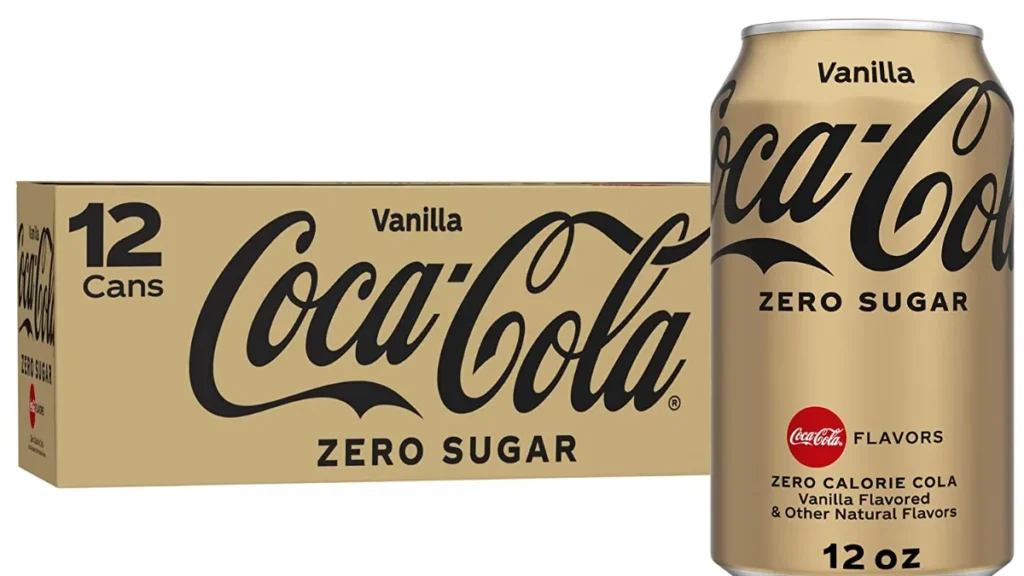
IHUTs have been used by many well-known brands to gather feedback and improve their products. One famous example is Coca-Cola, who used IHUTs to test their new flavor, Vanilla Coke. Participants were given the product to try in their own homes and provide feedback on the taste, packaging, and overall experience. This feedback was used to make adjustments to the product before it was released to the public, resulting in a successful launch. vanilla coca cola Another example is, a client of Wirral Sensory Services wanted to explore the use of two separate components used in the cooking of a microwave burger product that consumers used at home. The two components had different properties and therefore affected the final outcome of the cooked product. The two NPD products were delivered to the panel along with instructions on how to prepare each product. They then tested each product over a 2 day period, ensuring they filled out the questionnaire after testing each individual product. A report was generated showing the differences each component made to the final cooked product. The report highlighted the statistical differences between the two products as well as recommendations on which product would be most successful in the market. Based on the feedback of the research, the client was able to clearly distinguish which component to use when finally taking the product to market to ensure a better cooked product. burger In-home usage tests are a valuable tool for both brands and consumers. They allow brands to gather feedback from real consumers in a real-life setting, providing valuable insights for product development. For consumers, participating in IHUTs can be a fun and rewarding experience, with the added bonus of compensation for their time and feedback. By investing in successful IHUTs brands can use the feedback gathered to improve their products and increase their success in the market. So the next time you see a new product on the shelves, remember that it may have gone through an IHUT with the help of consumers just like you.

Choose Wirral Sensory Services To Conduct In-Home Usage Tests

In-Home Usage Tests are redefining consumer research, providing businesses with more accurate and unbiased insights into consumer behavior and preferences. By implementing home use testing, brands can gain a competitive advantage, improve product development, and better understand their target audience. With the rise of technology and changing consumer habits, home use testing is becoming an essential tool for businesses to stay ahead in the market. At WSS, our track record speaks for itself. With over 25 years in the field, we’ve conducted in-home usage tests for leading global brands, offering insights that drive product improvements that better resonate with target audiences. Our dedicated team crafts tailored tests to suit your brand’s needs and turns consumer feedback into actionable insights that drive successful product development. So, if you’re looking to truly understand your product’s impact and refine its appeal, WSS is here to help. Call us on +44 (0)151 346 2999 or via email at info@wssintl.com.

The Advantages & Disadvantages of In-Home Usage Tests (IHUTs)

in-home usage test In today’s competitive market, it’s crucial for companies to gather feedback on their products before launching them to the public. One popular method for product testing is the in-home usage test (IHUT). In this blog post, we’ll explore the advantages and disadvantages of IHUTs and why they may or may not be the right choice for your product testing needs.

What is an In-Home Usage Test (IHUT)?

An in-home usage test (IHUT) is a type of product testing where participants are given a product to use in their own homes for a set period of time. The goal of an IHUT is to gather feedback on the product’s performance, usability, and overall satisfaction from the participants.

How Does an IHUT Work?

First, a company will select a group of participants who fit their target demographic. These participants will then be given the product to use in their own homes for a set period of time, typically 1-2 weeks. During this time, the participants will be asked to complete surveys, provide feedback, and possibly even record their usage of the product. After the testing period is over, the participants will return, or sometimes get to keep, the product and the company will gather and analyse the feedback to make any necessary improvements before launching the product to the public. ihut dishwasher tablets

Advantages of In-Home Usage Tests

Real-World Usage

One of the most significant benefits of IHUTs is the ability to observe how consumers interact with products in their natural environment. This real-world application can uncover insights that might not surface in controlled test environments, providing a deeper understanding of the product’s use and the consumer’s experience.

Detailed Feedback

IHUTs also allow for more detailed feedback from participants. Since they are using the product in their own homes, they have more time to test and evaluate the product. This can lead to more in-depth feedback on their experience, including usability, functionality, and overall satisfaction that may not be gathered in a traditional focus group or survey. This depth of feedback is invaluable for making targeted improvements to the product.

Cost-Effective

Compared to other forms of product testing, IHUTs can be more cost-effective, especially for products that require longer observation periods to understand their use and efficacy. Companies do not have to rent out a testing facility or pay for participants to come in for a focus group. Instead, the product is sent directly to the participants, saving time and money.

Convenience for Participants

IHUTs are also convenient for participants. They do not have to travel to a testing facility or take time out of their day to participate. They can use the product in the comfort of their own home and provide feedback at their own convenience. This makes it much easier to recruit participants for your product testing.

Test Across Different Demographics

IHUTs allow for testing across a wide demographic, including different geographic locations, ages, and lifestyles, ensuring that the product appeals to a broad audience and identifying any market-specific modifications needed.

Competitive Advantage

By thoroughly testing a product before launch, companies can fine-tune their offerings, potentially giving them a competitive edge in the market by addressing any issues beforehand. ihut

Disadvantages of In-Home Usage Tests

Limited Sample Size

One of the main disadvantages of IHUTs is the limited sample size. Since the product is only being tested by a small group of participants, the feedback may not be representative of the larger market. This can lead to biased or inaccurate results.

Lack of Control

With IHUTs, companies have less control over the testing environment. Participants may not use the product as intended or may not provide accurate feedback. This can make it difficult to gather reliable data and make informed decisions based on the results.

Time-Consuming

IHUTs typically require more time than other testing methods. Companies must wait for the product to be used and feedback to be gathered before making any necessary improvements. This extended timeline can delay decision making processes, the launch of the product and potentially impact sales.

Recruitment and Logistics

Finding the right participants for IHUTs and managing the logistics of shipping products can be time-consuming and costly.

Limited Product Types

Not all products are suitable for IHUTs. For example, products that require a specific environment or setting to be used may not be suitable for in-home testing. This can limit the types of products that can be tested using this method.

Data Quality

While IHUTs can generate rich qualitative data, the subjective nature of the feedback can sometimes lead to challenges in quantifying results or making broad generalizations based on the findings.

Risk of Bias

There’s always a potential for bias in self-reported data, as participants may not accurately remember their usage patterns or may report overly positive experiences due to the novelty of participating in a test. ihut food Despite these challenges, the advantages of IHUTs often outweigh the disadvantages, especially for products where real-world application and long-term usage are critical to understanding consumer satisfaction and product performance. Brands can mitigate some of the disadvantages through careful planning, clear instructions, and robust participant selection and support processes.

Alternatives to In-Home Usage Tests

While IHUTs have their advantages, they may not be the best fit for every product testing scenario. Here are some alternatives to consider:

Focus Groups

Focus groups involve gathering a small group of participants to discuss and provide feedback on a product. This can be a more cost-effective and efficient way to gather feedback, but it may not provide as much in-depth feedback as an IHUT.

Online Surveys

Online surveys are a quick and easy way to gather feedback from a large group of participants. They can be cost-effective and provide a wide range of data, but they may not provide as much detailed feedback as an IHUT.

In-Store Testing

For products that require a specific environment or setting, in-store testing may be a better option. This allows for more control over the testing environment and can provide more accurate results. focus group product testing In-home usage tests (IHUTs) can be a valuable tool for gathering feedback on products before launching them to the public. They allow for real-world usage, detailed feedback, and can be cost-effective and convenient for participants. However, they also have their limitations, such as a limited sample size and lack of control over the testing environment. When considering IHUTs for your product testing needs, it’s important to weigh the advantages and disadvantages and consider alternative methods as well. By carefully selecting the right testing method, you can gather valuable feedback and make informed decisions to ensure the success of your product in the market.

Conduct Highly Effective In-Home Usage Tests with WSS

At Wirral Sensory Services, we have over 25 years of experience conducting in-home usage tests for some of the world’s leading brands. Our team of expert researchers will work with you to design and implement a custom home use test that meets your specific needs and objectives. Once complete, our team will distil all of the data and feedback collected into actionable insights that you can use to improve your product and better meet the needs of your target audience. Contact us today to learn more about how we can help you carry out a home use testing research project. We are available by phone at +44 (0)151 346 2999 or via email at info@wssintl.com.

Why Efficacy Testing Is Essential For Your Products Success

efficacy testing As a product manufacturer, you want to ensure that your products are safe and effective for your customers. This is especially important for products that are used on the skin, such as hand sanitizers. One way to ensure the safety and effectiveness of your products is through efficacy testing. Efficacy testing stands as a crucial milestone and is a pivotal process that can determine a product’s fate in the market. In this blog post, we will discuss why efficacy testing is essential for your product’s success.

Understanding Efficacy Testing

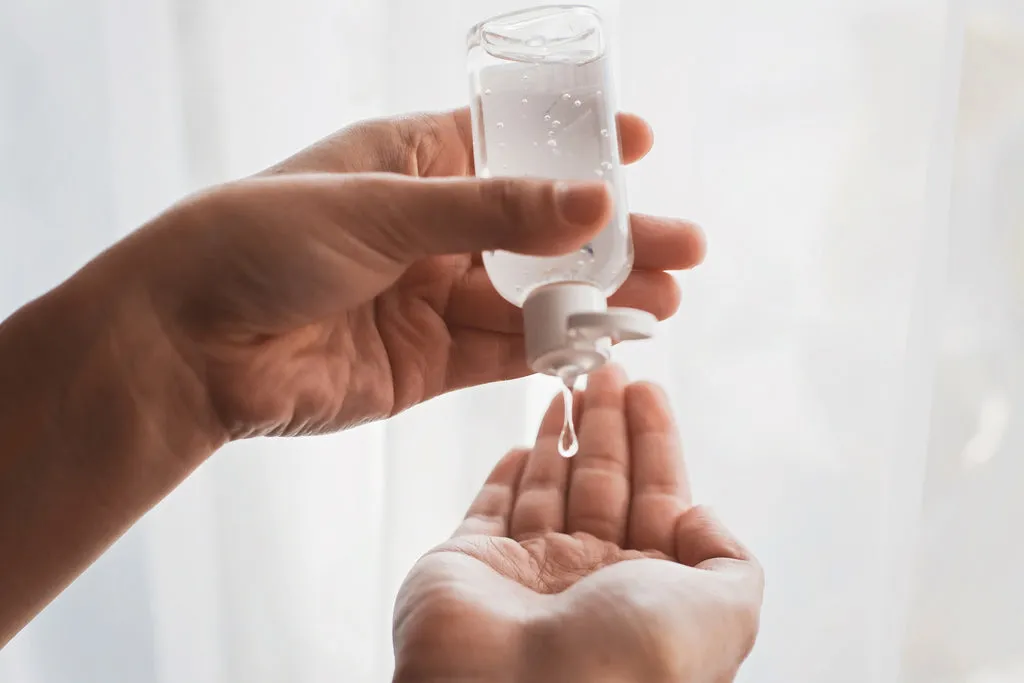
Efficacy testing is the process of evaluating the effectiveness of a product. This is to ensure the product performs as intended under its expected usage conditions. The testing process measures the product’s effectiveness and ensures that it delivers the promised benefits. This testing phase is critical in industries ranging from pharmaceuticals and cosmetics to consumer electronics and household products. For example, a new cleaning product would need to be tested to check its ability to kill bacteria, viruses, or other microorganisms, as well as its ability to meet certain standards or regulations. Another example is, hand sanitizers are required to have a certain level of alcohol content in order to be effective against germs. Efficacy testing ensures that the product meets these requirements. hand sanitiser

The Role of Efficacy Testing

The primary role of efficacy testing is to validate the claims made about a product. It’s an empirical approach to substantiate that the product does what it says, providing evidence to back up marketing claims.

The Impact of Efficacy Testing on Product Success

Building Consumer Trust

In today’s market, consumers are becoming more conscious about the products they use and the ingredients in them. By conducting efficacy testing and ensuring the safety and effectiveness of your product, you can build trust with your customers. When a product is backed by proven data, it gains credibility, a crucial element for long-term success. This can lead to increased customer loyalty and positive word-of-mouth recommendations, ultimately contributing to the success of your product.

Regulatory Compliance

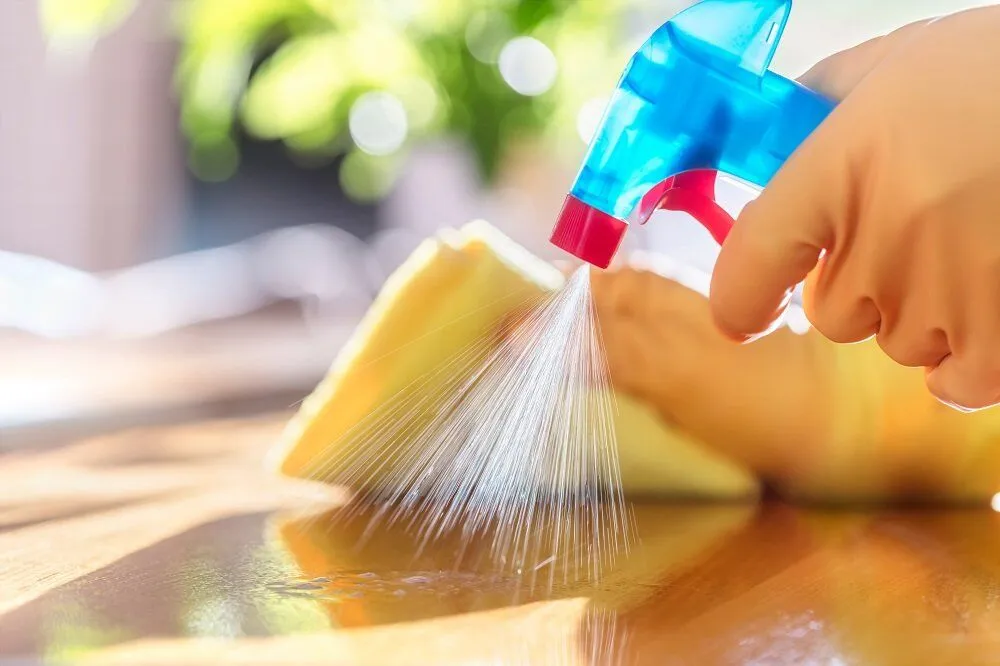
For many products, particularly in health, beauty, and wellness, efficacy testing is not optional. It’s a regulatory requirement to ensure that your product is safe and effective for consumers. Meeting these standards is essential not just for market entry but also for maintaining a good reputation in the industry. For example, the Government requires hand sanitizers to undergo efficacy testing to ensure they meet the necessary standards for killing germs. By conducting efficacy testing, you can ensure that your product meets these requirements and can be sold legally. kitchen cleaner efficacy testing

Competitive Advantage

In a market flooded with options, efficacy testing can be a differentiator. Products that have undergone rigorous testing often stand out from those that haven’t, giving them a competitive edge.

Reducing Risk of Failure

Efficacy testing can also help identify any potential issues with your product. If the results of the testing show that your product is not as effective as it should be, you can make necessary adjustments and improvements before releasing it to the market. This can save you from potential recalls or negative reviews from customers.

Best Practices in Efficacy Testing

To fully leverage the benefits of efficacy testing, certain best practices should be adopted:
  1. Start Early: Incorporate efficacy testing early in the product development cycle.
  2. Be Thorough: Conduct comprehensive testing to cover all possible use cases and scenarios.
  3. Use Reliable Methods: Employ standardised, reliable testing methods for accurate results.
  4. Ensure Objectivity: Maintain objectivity and avoid biases in testing procedures and data interpretation.
  5. Iterate and Improve: Use the insights gained from testing to continuously improve the product.
  6. Choose a Trusted Efficacy Testing Company: Partner with an experienced, highly trusted efficacy testing company such as Wirral Sensory Services.

Real-World Success Stories

Case Study 1: Skincare Product

A skincare company developed a new anti-aging cream. Efficacy testing showed that the cream significantly reduced fine lines in six weeks. This positive result not only helped in marketing the product effectively but also established its credibility among consumers. personal care product testing

Case Study 2: Household Cleaning Product

A new eco-friendly cleaning spray was tested for efficacy and found to be less effective than traditional cleaners. The company used these findings to reformulate the product, eventually creating a cleaner that was both eco-friendly and effective, capturing a substantial market share. surface cleaner

Case Study 3: Pharmaceutical Product

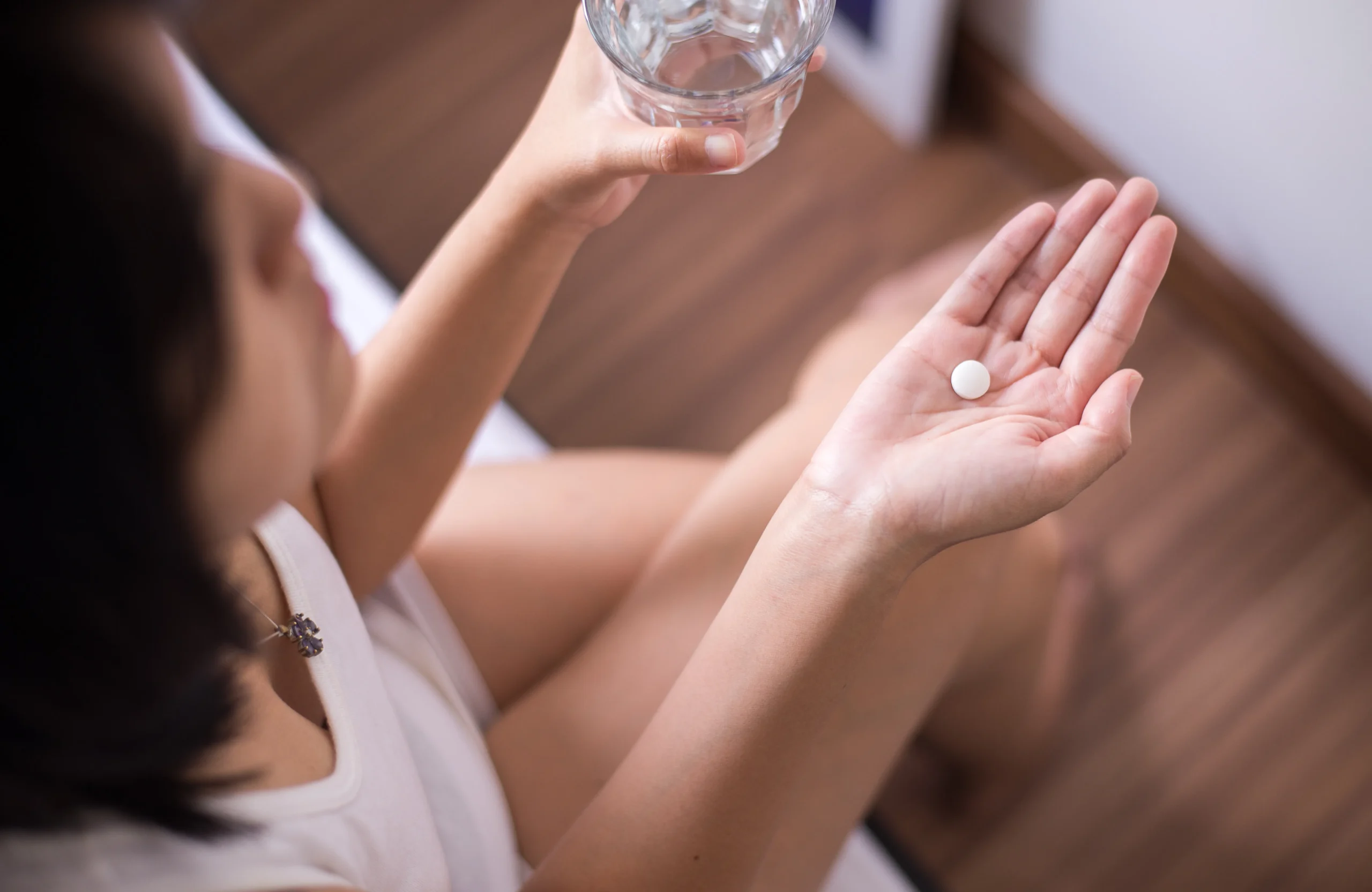
A new allergy medication underwent rigorous efficacy testing, proving its effectiveness over competitors. This data was pivotal in securing regulatory approval and consumer trust, leading to high sales and market share. pharma efficacy testing

Speak to Wirral Sensory Services Today to Discuss Your Efficacy Testing Needs

In conclusion, efficacy testing is essential for the success of your product. It ensures the safety and effectiveness of your product, helps you meet regulatory requirements, builds trust with customers, and allows you to identify and address any issues before they become bigger problems. As a product manufacturer, investing in efficacy testing is crucial for the success and longevity of your brand. At WSS, we help leading brands develop and fine-tune their products to meet and exceed customer expectations. We understand the importance, now more than ever before, of testing and providing evidence to support specific product marketing claims. So, if you’re looking for an efficacy testing service that can help your brand succeed, we’d love to hear from you. Get in touch with our team today to discuss your specific needs.

How Home Use Testing Is Redefining Consumer Research

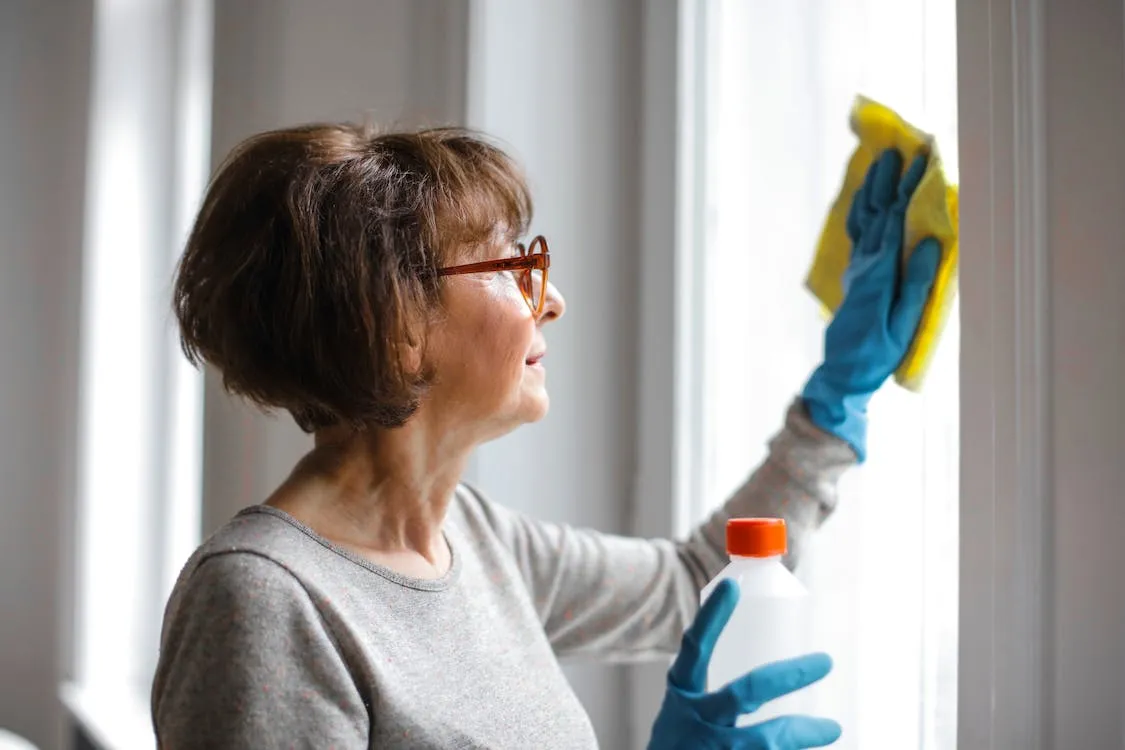
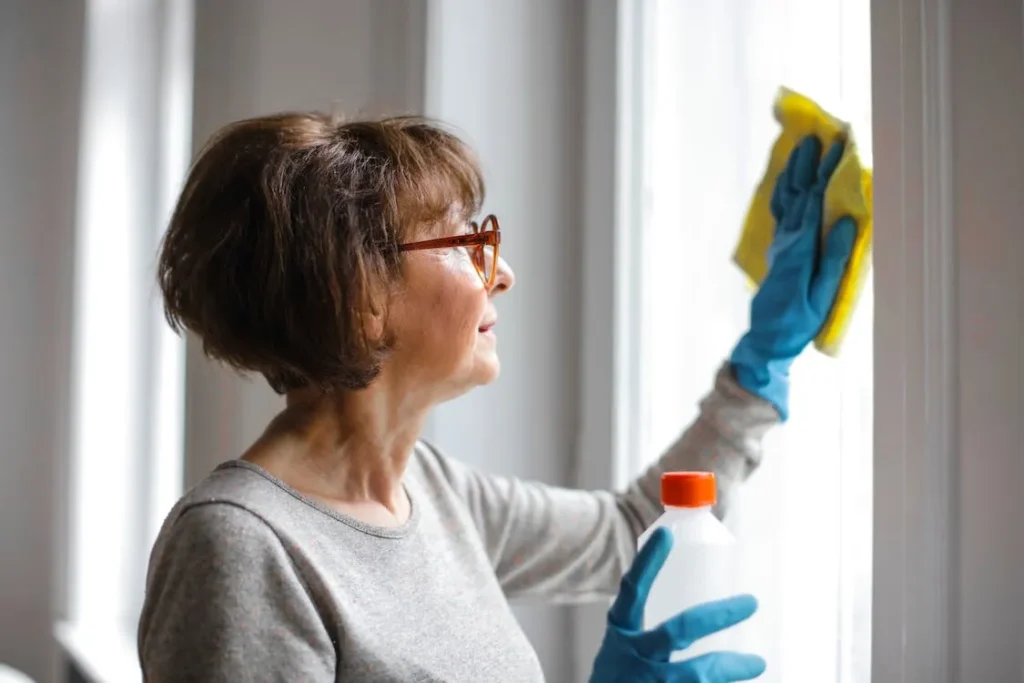
home use testing window cleaner Consumer research is a crucial aspect of any business, as it provides valuable insights into consumer behavior, preferences, and needs. Traditionally, consumer research has been conducted through surveys, focus groups, and in-store testing. However, with the rise of technology and changing consumer habits, a new method of consumer research has emerged: home use testing. In this blog post, we will explore what home use testing is, how it is redefining consumer research, and why it is becoming an essential tool for businesses.
What is Home Use Testing?

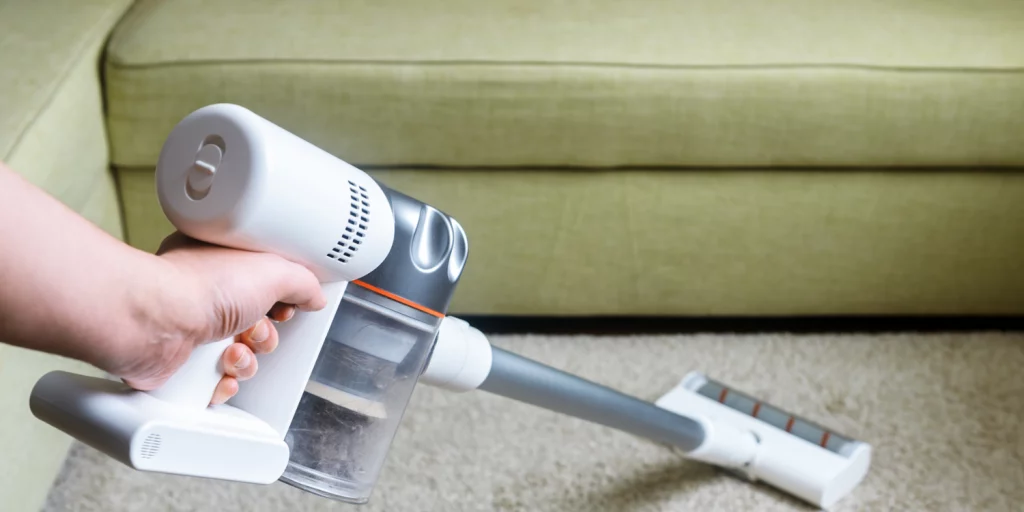
Home use testing (HUT) is a method of consumer research where products are tested in a real-life setting, typically in the consumer’s home. This allows for a more accurate representation of how consumers interact with products in their daily lives. HUT can be conducted in various ways, such as sending products to consumers for them to test and provide feedback, or having researchers observe consumers using products in their homes. This method of consumer research provides a more realistic and unbiased view of consumer behavior and preferences. hut testing vacuum

The Rise of Home Use Testing

The rise of home use testing can be attributed to several factors, including the increasing use of technology and the changing habits of consumers. With the rise of e-commerce, more and more consumers are shopping online, making it difficult for businesses to gather feedback on their products in a traditional in-store setting. Home use testing allows businesses to reach a wider audience and gather feedback from consumers who may not have access to physical stores. Additionally, consumers are becoming more conscious of their time and are less likely to participate in traditional forms of consumer research, such as focus groups. Home use testing allows for a more convenient and less time-consuming way for consumers to provide feedback on products.

How Home Use Testing is Redefining Consumer Research

Home use testing is revolutionising the way businesses conduct consumer research. Here are some ways it is redefining the industry:

More Accurate and Unbiased Results

One of the main advantages of home use testing is that it provides a more accurate and unbiased view of consumer behavior. In traditional forms of consumer research, such as surveys or focus groups, consumers may not always provide honest or accurate feedback. This could be due to social desirability bias, where consumers may provide answers that they believe are socially acceptable, rather than their true opinions. With home use testing, consumers are using products in their natural environment, without the pressure of researchers or other participants. This allows for more authentic and unbiased feedback, providing businesses with a more accurate understanding of consumer preferences.

Real-Time Feedback

Home use testing also allows for real-time feedback from consumers. With traditional forms of consumer research, there is often a delay between the testing and the analysis of results. This delay can lead to outdated or irrelevant feedback, as consumer preferences and habits may have changed in the meantime. With home use testing, businesses can gather feedback in real-time, allowing for quicker analysis and implementation of changes or improvements to products. This can give businesses a competitive edge in the market, as they can respond to consumer feedback and make necessary adjustments faster.

Cost-Effective

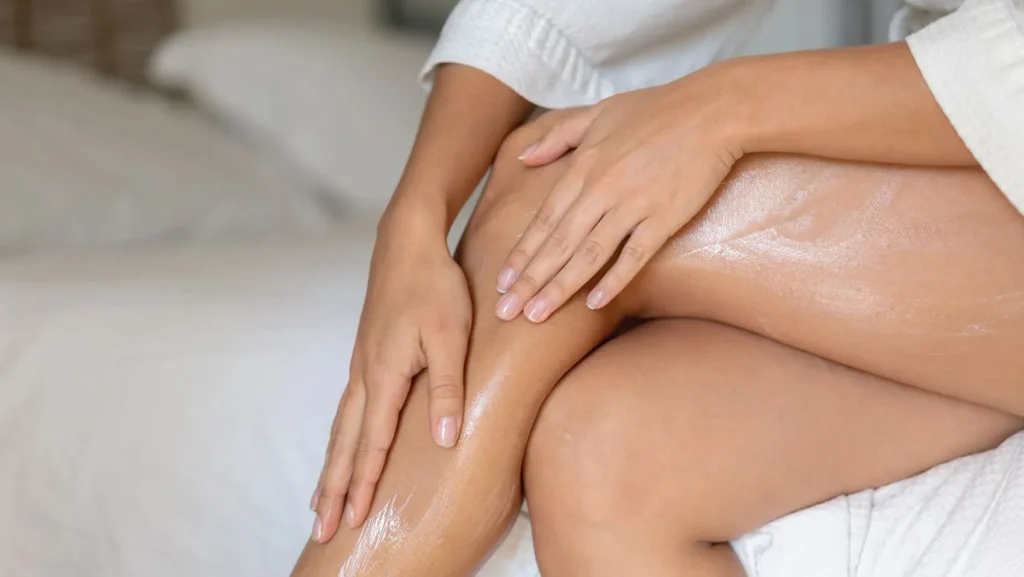
Home use testing is also a cost-effective method of consumer research. Traditional forms of consumer research, such as focus groups, can be expensive, as businesses need to compensate participants and cover the costs of facilities and researchers. With home use testing, businesses can reach a larger audience at a lower cost. By sending products directly to consumers, businesses can gather feedback from a diverse group of individuals without the added expenses of traditional consumer research methods. moisturizer hut testing

Why Home Use Testing is Essential for Businesses

Home use testing is becoming an essential tool for businesses, and here’s why:

Better Understanding of Consumer Behavior

Home use testing provides businesses with a better understanding of consumer behavior. By observing how consumers interact with products in their natural environment, businesses can gain valuable insights into how their products are used, what features are most important to consumers, and what improvements can be made. This understanding of consumer behavior can help businesses make informed decisions about product development, marketing strategies, and overall business strategies.

Improved Product Development

Home use testing can also lead to improved product development. By gathering feedback from consumers in real-life settings, businesses can identify any issues or areas for improvement in their products. This can lead to more successful product launches and increased customer satisfaction. Additionally, home use testing allows businesses to test products in different environments and with a diverse group of consumers. This can help businesses identify any potential issues or challenges that may arise in different markets or with different demographics.

Competitive Advantage

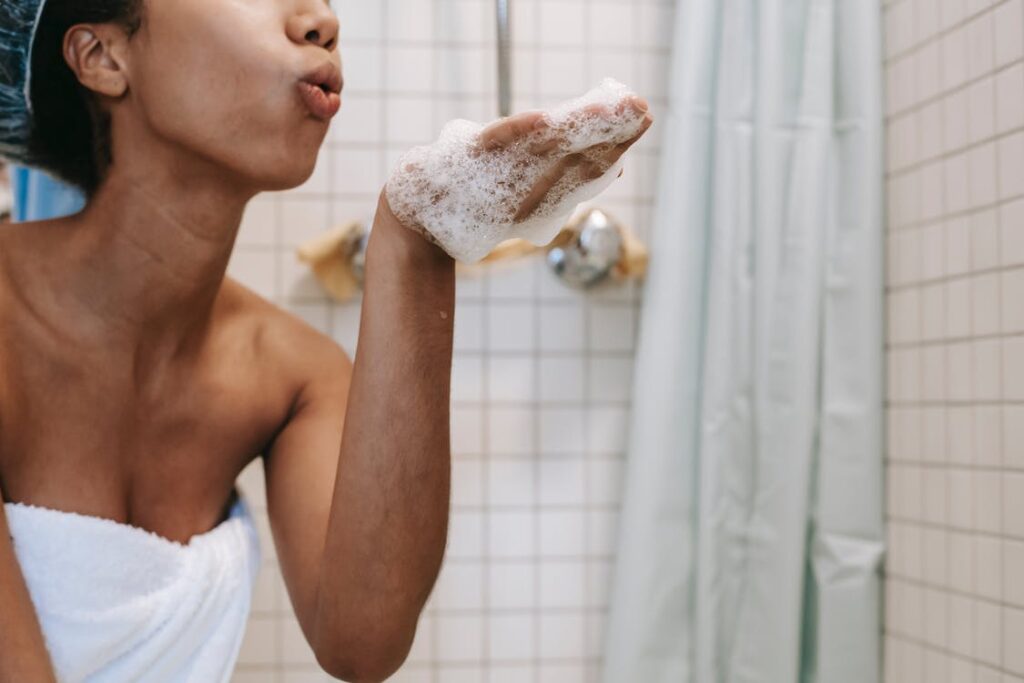
In today’s competitive market, businesses need to stay ahead of the game to succeed. Home use testing can give businesses a competitive advantage by providing them with valuable insights into consumer preferences and behavior. By understanding what consumers want and need, businesses can tailor their products and marketing strategies to meet those demands, giving them an edge over their competitors. shampoo hut testing

Real-World Examples of Home Use Testing

Home use testing has been successfully implemented by many businesses, including Procter & Gamble (P&G) and Unilever. P&G used home use testing to gather feedback on their new product, Tide Pods. By sending samples to consumers and gathering feedback through online surveys, P&G was able to make necessary improvements to the product before its launch, resulting in a successful product that met consumer needs and preferences. Unilever used home use testing to gather feedback on their new line of hair care products, Dove Nutritive Solutions. By sending products to consumers and gathering feedback through online surveys, Unilever was able to identify any issues or areas for improvement before the product was launched, resulting in a successful product that met consumer needs and preferences. tide pods

The Future of Home Use Testing

The future of HUT is intertwined with technological advancements. Digital platforms for feedback collection, data analytics tools, and virtual reality are some of the innovations shaping the next phase of HUT, making it more efficient, scalable, and insightful.

Choose Wirral Sensory Services To Conduct Home Use Testing

Home use testing is redefining consumer research, providing businesses with more accurate and unbiased insights into consumer behavior and preferences. By implementing home use testing, businesses can gain a competitive advantage, improve product development, and better understand their target audience. With the rise of technology and changing consumer habits, home use testing is becoming an essential tool for businesses to stay ahead in the market. At WSS, our track record speaks for itself. With over 25 years in the field, we’ve conducted home use tests for leading global brands, offering insights that drive product improvements that better resonate with target audiences. Our dedicated team crafts tailored tests to suit your brand’s needs and turns consumer feedback into actionable insights that drive successful product development. So, if you’re looking to truly understand your product’s impact and refine its appeal, WSS is here to help. Call us on +44 (0)151 346 2999 or via email at info@wssintl.com.

Your Quick Guide to Efficacy Testing for Cosmetic Products

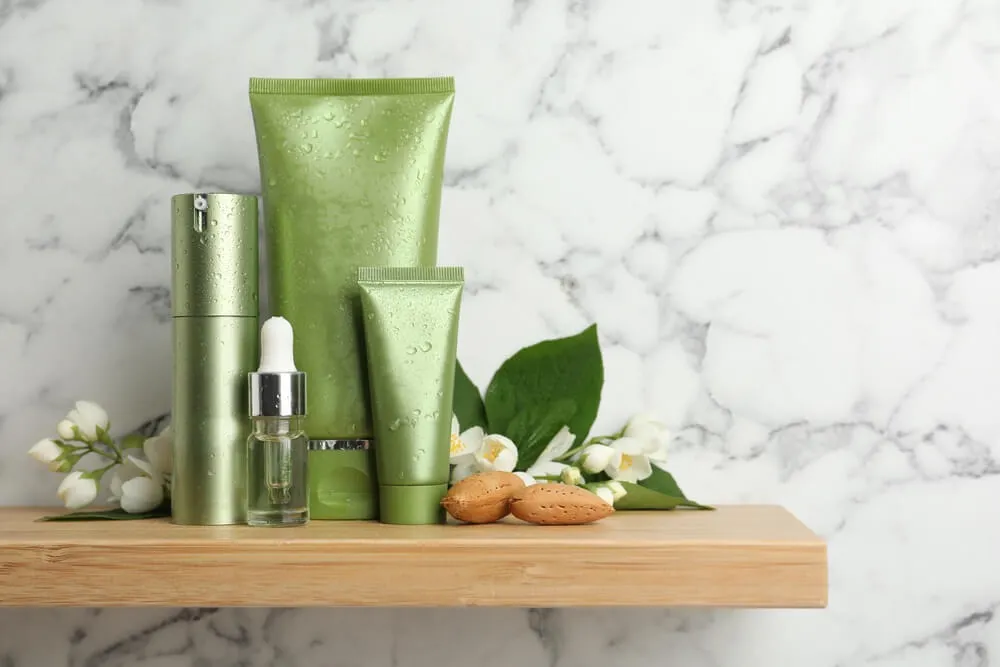
suncream Efficacy testing is more important in the cosmetic industry than almost any other. It doesn’t just ensure that a product works. It also validates the promises made to consumers. When you’re marketing a cosmetic product and make claims like “reduces fine lines” or “intense hydration,” it’s efficacy testing that provides the evidence behind these statements. As a brand, efficacy testing builds trust, assures quality, and sets the foundation for transparent communication with consumers. So, let’s give you a quick guide to bring you up to speed on how it works in the cosmetics industry.
Key Types of Efficacy Tests in the Cosmetics Industry

Clinical Trials

Often hailed as the gold standard in efficacy testing, clinical trials are comprehensive and conducted by dermatologists on human subjects. While they provide in-depth analysis and are highly reliable, they come with a hefty price tag. The extensive duration and resources required can make them a costly option for many brands.

Consumer Testing

Consumer testing involves real users providing feedback on products. It’s not just about how effective a product is, but also how it feels, smells, and integrates into daily routines. Attributes such as texture, scent, and absorption are evaluated, giving brands a holistic view of consumer experience. It’s often a more affordable and practical approach, especially for brands looking to make claims based on real-world user perspectives.

Lab Tests

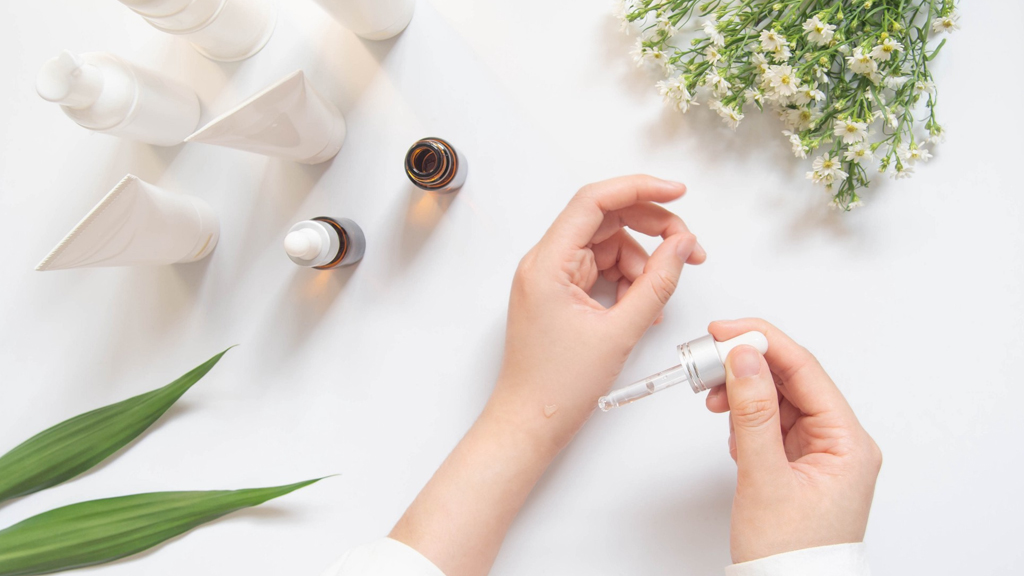
Lab tests offer precise and objective measurements of ingredient and formula performance. They often test for attributes like irritation and UV protection, but they don’t provide any insights beyond the measurements returned. personal care product testing

What Kinds of Claims Are Made and Tested in the Cosmetics Industry?

When browsing the beauty aisles or shopping online, you’ve likely come across a myriad of claims made by cosmetic brands. But what do these claims really mean, and how are they tested? Let’s delve into some of the most common ones: Anti-ageing: This is all about turning back the clock. Brands claim to reduce the appearance of fine lines, wrinkles, and improvements in skin tone. Some even promise to boost collagen production, giving skin that youthful bounce. Acne-fighting: For those battling breakouts, acne-fighting products are a godsend. They claim to reduce breakouts, control oil, and promote exfoliation, leading to clearer skin over time. Moisturising: Hydration is key to healthy skin. Moisturising products aim to increase hydration levels, reduce transepidermal water loss, and strengthen the skin’s barrier function, ensuring it stays soft and supple. SPF/UV Protection: With the increasing awareness of sun damage, SPF and UV protection claims are more prevalent than ever. These products are designed to absorb harmful UV rays and prevent sun damage, keeping skin safe and reducing the risk of premature ageing. Sensitive Skin: For those with delicate skin, products that reduce irritation, redness, and inflammation are crucial. Brands cater to this need by formulating products that soothe and calm the skin, ensuring minimal reactions. Other Claims: The beauty industry is vast, and so are the claims made. From lifting and firming to enhancing brightness and elasticity, brands are constantly innovating to meet the diverse needs of their consumers. Whatever the claim, brands need to ensure they produce the evidence to back up these promises, building trust and loyalty among their customers. efficacy testing

Interpreting and Promoting Results of Efficacy-Tested Cosmetic Products

Navigating the world of cosmetic product claims can be a minefield. It’s not just about getting results; it’s about understanding and communicating them effectively to your audience. Here’s a guide to help you understand what goes into creating impactful and influential product claims.

Statistical Significance

Before you shout about your product’s benefits from the rooftops, you must ensure that your findings are statistically significant. This means the results aren’t just a fluke but can be confidently attributed to your product. For example, if 90% of users claim your moisturiser “made them feel younger” over a significant sample size (over 100 is ideal), that’s a result worth noting and promoting.

Clear and Compliant Marketing

Once you have your results, it’s tempting to make bold claims. However, it’s essential to ensure that your marketing messages are transparent and legally compliant. Avoid exaggerations and ensure that what you’re saying aligns with the evidence. Remember, consumers value honesty and transparency, and you want to stay on the right side of the Advertising Standards Authority (ASA).

Ongoing Testing

The beauty industry is ever-evolving, with new ingredients and formulations constantly emerging. As such, it’s vital to continue testing your products, especially when introducing new formulations. This ensures that you’re consistently delivering on your promises and maintaining the trust of your loyal customers with evidence-backed product claims. personal care products  

Harness The Power of Efficacy Testing in Cosmetics

Efficacy testing is not just a box to tick. It’s a crucial step in building consumer trust and ensuring your cosmetic products deliver on their promises. While clinical trials and lab tests offer a high degree of objectivity, they can be costly and may not fully capture the real-world consumer experience. At WSS, we specialise in consumer research that provides valuable insights into how your product performs in the hands of real users. Our approach to efficacy testing balances clinical rigour with consumer perspectives, giving you a holistic view of your product’s efficacy. Ready to take the next step? Visit our efficacy testing services page to learn more about how we can help you validate your product claims and build a stronger brand. Alternatively, you can contact us to discuss your upcoming efficacy testing project.

Mistakes Brands Should Avoid When Product Concept Testing

surface cleaner Product concept testing is pivotal in brand development, offering invaluable insights into potential product viability and consumer preferences. However, while the process can be a game-changer for many brands, it’s not without its challenges. All too often, brands stumble into pitfalls that can skew results and lead to misguided decisions. With that in mind, let’s delve into some of the most common mistakes brands make during product concept testing and offer guidance on how to sidestep them.

Mistake #1: Putting Too Many Ideas into A Single Product Concept Test

It’s natural to want to maximise your product concept test. After all, gathering feedback is crucial, and it might seem efficient to throw in as many ideas as possible. However, cramming multiple ideas into one survey can backfire. When you present your target audience with a lengthy list of questions for each idea, the testing experience can become overwhelming. Participants might rush through the survey, skim over questions, or even drop out before completing it. This not only affects the quality of feedback but also reduces its accuracy. While it might seem like a cost-saving measure initially, in the long run, it can lead to misguided decisions based on poor-quality data. Remember, quality always trumps quantity. It’s better to have precise insights from a few well-thought-out ideas than vague feedback from a multitude.

Mistake #2: Cancelling Idea(s) After a Single Concept Test

It’s easy to feel disheartened when a product concept doesn’t perform well in its initial test. But remember, a single test isn’t the be-all and end-all. Numerous factors could have influenced the outcome, such as testing the wrong demographic or geographic region. If your product concept doesn’t initially resonate with your target audience, it doesn’t necessarily mean you should abandon ship. Instead, consider it an opportunity to pivot and refine your idea. Take the feedback on board, tweak your concept, and test again. It’s all part of the iterative process that’s crucial to successful product development. So, don’t be too quick to discard an idea. Be prepared to make adjustments and give it another shot. After all, the most successful products are often the result of trial and error, learning, and adaptation.

Mistake #3: Guiding Consumers Down a Specific Path with Closed Questions

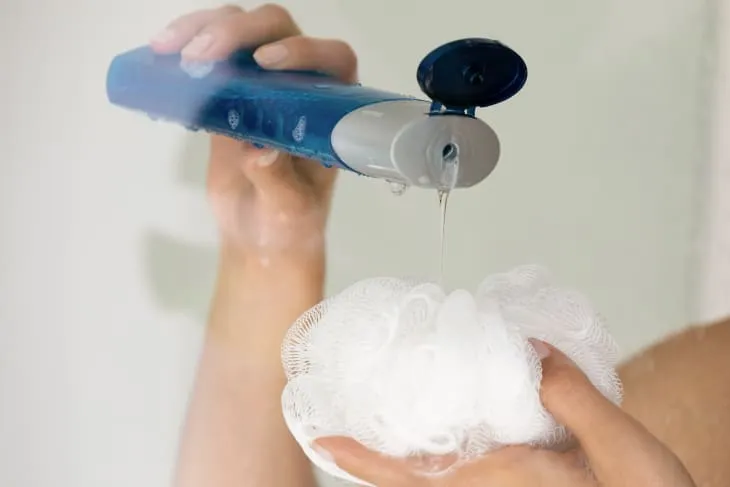
When it comes to product concept testing, the way you frame your questions matters. Closed questions, while straightforward, can inadvertently guide consumers down a specific path, limiting the depth and breadth of their feedback. Open-ended questions, on the other hand, allow consumers to share their spontaneous thoughts and feelings about a product concept. This unaided feedback can reveal concerns, opportunities, or insights you might not have anticipated. For instance, instead of just asking consumers to rate a product concept, why not let them describe their initial reactions or what stood out to them? While there’s a place for yes/no questions, follow up those answers with questions that delve deeper into why consumers feel a certain way. That way, you not only gauge interest and purchase intent but also understand the emotional resonance and differentiated benefits of your product concept. shower gel

Mistake #4: Testing Single Product Concepts in Isolation

Testing a single product concept in isolation can provide valuable insights, but it often lacks the context needed to make informed decisions. It’s essential to test multiple concept variants to optimise different elements like messaging, visuals, and pricing. When you test only one iteration, you might miss out on understanding how small changes can significantly impact consumer perception and preference. Additionally, testing concepts both standalone and side-by-side can provide a clearer picture of absolute reactions and relative preferences. This approach helps you understand how your concept stacks up against alternatives or competitors. So, incorporate these practices into your testing strategy to be better equipped to make decisions that resonate with your target audience and ultimately drive product success.

Mistake #5: Over-Reliance on Surveys

Surveys are a popular tool for gathering feedback, but relying solely on them can lead to missed opportunities in product concept testing. While they’re great for collecting quantitative data, they might not capture the nuances of consumer motivations and reactions. It’s worth considering more qualitative methods, such as in-depth interviews or focus groups. These approaches allow for a deeper dive into consumer thoughts, feelings, and behaviours, offering insights that a simple survey might overlook. Remember, a holistic approach to product concept testing often yields higher-quality insights. By combining both quantitative and qualitative methods, you’ll be better equipped to understand your target audience and refine your product concepts effectively.

Perfect Your Product Concept Testing Approach with Wirral Sensory Services

Avoiding these common mistakes in product concept testing is crucial for any brand aiming to develop successful products. A comprehensive and open-minded approach to testing, which includes a mix of both qualitative and quantitative methods, is crucial in gaining valuable insights that can inform product development. At Wirral Sensory Services (WSS), we pride ourselves on our extensive experience and expertise in product concept testing. Our team utilises a wide range of methodologies, going beyond just surveys, to provide you with the most accurate and actionable insights. Get in touch with us today to discuss how we can support your brand in developing products that meet the needs and preferences of your target audience. You can reach us by phone on +44 (0)151 346 2999 or via email at info@wssintl.com.

The Value of Home Use Testing for Personal Care Products

personal care product testing The personal care industry is a competitive landscape, constantly evolving to meet the ever-changing needs and preferences of consumers. In this fast-paced environment, product testing has become a crucial aspect of product development and marketing. One method that has gained popularity for its effectiveness and practicality is home use testing (sometimes referred to as HUT). This consumer research method involves sending products to potential consumers who then use them in their daily routines and provide feedback. Companies utilising this approach gain a real-world perspective on how the product performs, its benefits, and any potential improvements that could be made. By investing in home use testing, you can gather valuable insights that can inform product development and marketing strategies to drive sales.

How Home Use Testing Adds Value and Authenticity to Product Claims

In today’s saturated personal care market, consumers are more discerning than ever. They seek products that not only deliver on their promises but also provide genuine, transparent claims about their efficacy. By allowing real users to test products in their daily routines and provide feedback, brands can offer a level of transparency that resonates with consumers. Rather than just saying a product works, you can prove it through real-world experiences. This approach helps you stand out as a brand and gives the customer the confidence to purchase your product. Just look at the following statistics regarding the power of customer-backed claims:
  • 86% of women and 71% of men notice claims in beauty/personal care brand advertising or packaging.
  • 89% of women and 79% of men say that consumer claims influence their decision to purchase beauty/personal care products.
  • 73% of women and 62% of men have purchased a product as a result of reading a consumer claim on a package, in an advertisement, or in an in-store display.
These figures underscore the importance of independent validation and the value consumers place on it. By incorporating home use testing into your product development strategy, you’re not only meeting consumer demands but also setting your brand apart in a competitive landscape. personal care products

Additional Benefits of Home Use Testing for Personal Care Products

Home use testing offers many advantages for personal care brands looking to validate their products and connect with their target audience. Let’s delve into some of the key benefits:

Cost-Effective Alternative to Clinical Testing

Clinical testing can be a costly and time-consuming process. Home use testing, on the other hand, provides a more affordable way to gather feedback on your products. By sending your products directly to consumers for testing, you can save on the overheads associated with clinical trials while still obtaining valuable insights.

Real-World Feedback from Everyday Use

There’s no better way to understand how your product performs than by getting feedback from those using it in their daily routines. Home use testing offers this unique perspective. Consumers can provide insights on everything from the product’s texture and scent to its efficacy and overall experience. This feedback is invaluable in refining your product and ensuring it meets the needs and expectations of your target audience.

Claim Substantiation

While we’ve touched on this earlier, it’s worth reiterating the power of validated claims. When you can confidently state that a certain percentage of users experienced specific benefits from your product, it adds a layer of trust and credibility to your brand. Home use testing provides the data needed to back up these claims, giving consumers the assurance they need to choose your product over competitors. In short, the value of integrating home use testing into your product development and marketing strategies lies in saving on research costs and ensuring your product truly resonates with your audience.

Unlocking the Potential of Home Use Testing for Personal Care Products

Understanding consumer preferences and ensuring product efficacy is essential in the personal care industry. Home use testing offers brands a direct window into how their products perform in real-life scenarios, bridging the gap between lab results and actual consumer experiences. At WSS, our track record speaks for itself. With over 25 years in the field, we’ve conducted home use tests for leading global brands, offering insights that drive product improvements that better resonate with target audiences. Our dedicated team crafts tailored tests to suit your brand’s needs and turns consumer feedback into actionable insights that drive successful product development. So, if you’re looking to truly understand your product’s impact and refine its appeal, WSS is here to help. Call us on +44 (0)151 346 2999 or via email at info@wssintl.com.