Why Efficacy Testing Is Essential For Your Products Success

efficacy testing As a product manufacturer, you want to ensure that your products are safe and effective for your customers. This is especially important for products that are used on the skin, such as hand sanitizers. One way to ensure the safety and effectiveness of your products is through efficacy testing. Efficacy testing stands as a crucial milestone and is a pivotal process that can determine a product’s fate in the market. In this blog post, we will discuss why efficacy testing is essential for your product’s success.

Understanding Efficacy Testing

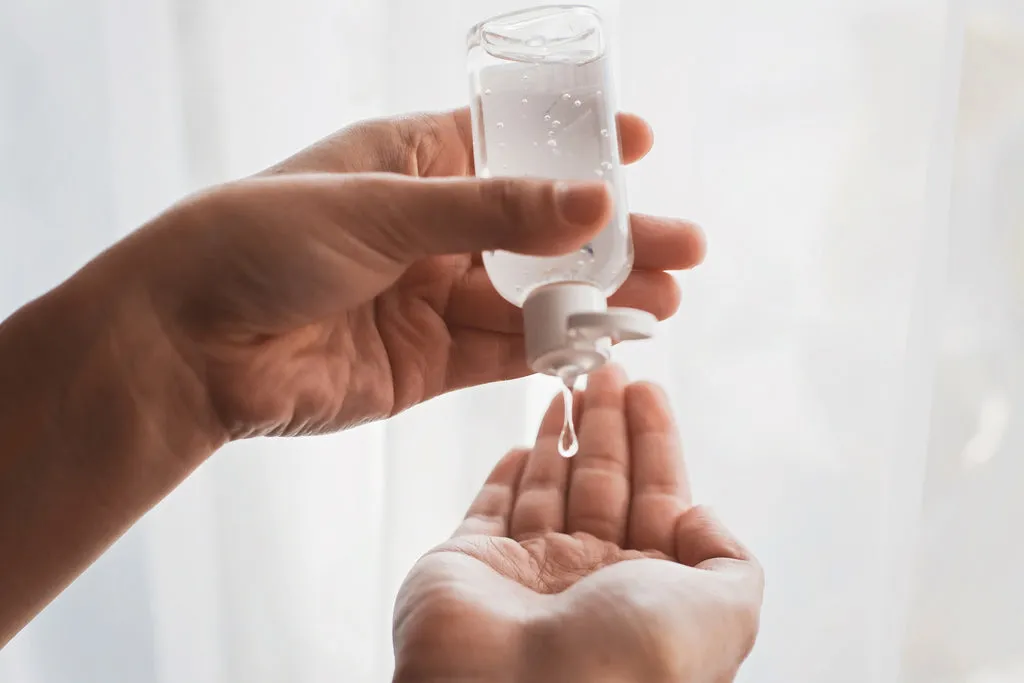
Efficacy testing is the process of evaluating the effectiveness of a product. This is to ensure the product performs as intended under its expected usage conditions. The testing process measures the product’s effectiveness and ensures that it delivers the promised benefits. This testing phase is critical in industries ranging from pharmaceuticals and cosmetics to consumer electronics and household products. For example, a new cleaning product would need to be tested to check its ability to kill bacteria, viruses, or other microorganisms, as well as its ability to meet certain standards or regulations. Another example is, hand sanitizers are required to have a certain level of alcohol content in order to be effective against germs. Efficacy testing ensures that the product meets these requirements. hand sanitiser

The Role of Efficacy Testing

The primary role of efficacy testing is to validate the claims made about a product. It’s an empirical approach to substantiate that the product does what it says, providing evidence to back up marketing claims.

The Impact of Efficacy Testing on Product Success

Building Consumer Trust

In today’s market, consumers are becoming more conscious about the products they use and the ingredients in them. By conducting efficacy testing and ensuring the safety and effectiveness of your product, you can build trust with your customers. When a product is backed by proven data, it gains credibility, a crucial element for long-term success. This can lead to increased customer loyalty and positive word-of-mouth recommendations, ultimately contributing to the success of your product.

Regulatory Compliance

For many products, particularly in health, beauty, and wellness, efficacy testing is not optional. It’s a regulatory requirement to ensure that your product is safe and effective for consumers. Meeting these standards is essential not just for market entry but also for maintaining a good reputation in the industry. For example, the Government requires hand sanitizers to undergo efficacy testing to ensure they meet the necessary standards for killing germs. By conducting efficacy testing, you can ensure that your product meets these requirements and can be sold legally. kitchen cleaner efficacy testing

Competitive Advantage

In a market flooded with options, efficacy testing can be a differentiator. Products that have undergone rigorous testing often stand out from those that haven’t, giving them a competitive edge.

Reducing Risk of Failure

Efficacy testing can also help identify any potential issues with your product. If the results of the testing show that your product is not as effective as it should be, you can make necessary adjustments and improvements before releasing it to the market. This can save you from potential recalls or negative reviews from customers.

Best Practices in Efficacy Testing

To fully leverage the benefits of efficacy testing, certain best practices should be adopted:
  1. Start Early: Incorporate efficacy testing early in the product development cycle.
  2. Be Thorough: Conduct comprehensive testing to cover all possible use cases and scenarios.
  3. Use Reliable Methods: Employ standardised, reliable testing methods for accurate results.
  4. Ensure Objectivity: Maintain objectivity and avoid biases in testing procedures and data interpretation.
  5. Iterate and Improve: Use the insights gained from testing to continuously improve the product.
  6. Choose a Trusted Efficacy Testing Company: Partner with an experienced, highly trusted efficacy testing company such as Wirral Sensory Services.

Real-World Success Stories

Case Study 1: Skincare Product

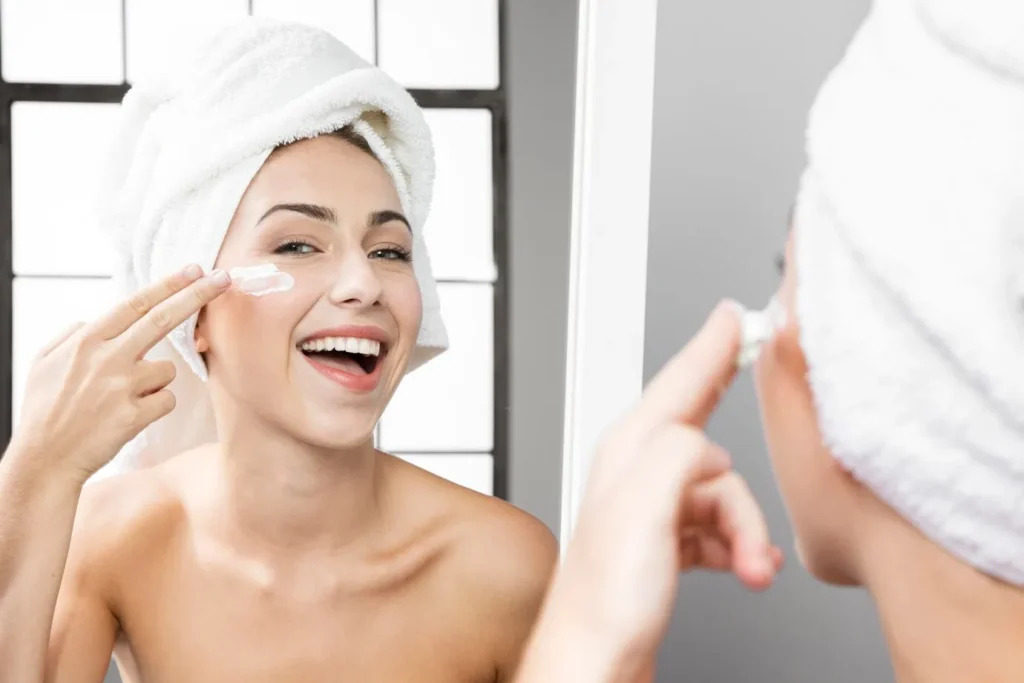
A skincare company developed a new anti-aging cream. Efficacy testing showed that the cream significantly reduced fine lines in six weeks. This positive result not only helped in marketing the product effectively but also established its credibility among consumers. personal care product testing

Case Study 2: Household Cleaning Product

A new eco-friendly cleaning spray was tested for efficacy and found to be less effective than traditional cleaners. The company used these findings to reformulate the product, eventually creating a cleaner that was both eco-friendly and effective, capturing a substantial market share. surface cleaner

Case Study 3: Pharmaceutical Product

A new allergy medication underwent rigorous efficacy testing, proving its effectiveness over competitors. This data was pivotal in securing regulatory approval and consumer trust, leading to high sales and market share. pharma efficacy testing

Speak to Wirral Sensory Services Today to Discuss Your Efficacy Testing Needs

In conclusion, efficacy testing is essential for the success of your product. It ensures the safety and effectiveness of your product, helps you meet regulatory requirements, builds trust with customers, and allows you to identify and address any issues before they become bigger problems. As a product manufacturer, investing in efficacy testing is crucial for the success and longevity of your brand. At WSS, we help leading brands develop and fine-tune their products to meet and exceed customer expectations. We understand the importance, now more than ever before, of testing and providing evidence to support specific product marketing claims. So, if you’re looking for an efficacy testing service that can help your brand succeed, we’d love to hear from you. Get in touch with our team today to discuss your specific needs.

How Home Use Testing Is Redefining Consumer Research

home use testing window cleaner Consumer research is a crucial aspect of any business, as it provides valuable insights into consumer behavior, preferences, and needs. Traditionally, consumer research has been conducted through surveys, focus groups, and in-store testing. However, with the rise of technology and changing consumer habits, a new method of consumer research has emerged: home use testing. In this blog post, we will explore what home use testing is, how it is redefining consumer research, and why it is becoming an essential tool for businesses.
What is Home Use Testing?

Home use testing (HUT) is a method of consumer research where products are tested in a real-life setting, typically in the consumer’s home. This allows for a more accurate representation of how consumers interact with products in their daily lives. HUT can be conducted in various ways, such as sending products to consumers for them to test and provide feedback, or having researchers observe consumers using products in their homes. This method of consumer research provides a more realistic and unbiased view of consumer behavior and preferences. hut testing vacuum

The Rise of Home Use Testing

The rise of home use testing can be attributed to several factors, including the increasing use of technology and the changing habits of consumers. With the rise of e-commerce, more and more consumers are shopping online, making it difficult for businesses to gather feedback on their products in a traditional in-store setting. Home use testing allows businesses to reach a wider audience and gather feedback from consumers who may not have access to physical stores. Additionally, consumers are becoming more conscious of their time and are less likely to participate in traditional forms of consumer research, such as focus groups. Home use testing allows for a more convenient and less time-consuming way for consumers to provide feedback on products.

How Home Use Testing is Redefining Consumer Research

Home use testing is revolutionising the way businesses conduct consumer research. Here are some ways it is redefining the industry:

More Accurate and Unbiased Results

One of the main advantages of home use testing is that it provides a more accurate and unbiased view of consumer behavior. In traditional forms of consumer research, such as surveys or focus groups, consumers may not always provide honest or accurate feedback. This could be due to social desirability bias, where consumers may provide answers that they believe are socially acceptable, rather than their true opinions. With home use testing, consumers are using products in their natural environment, without the pressure of researchers or other participants. This allows for more authentic and unbiased feedback, providing businesses with a more accurate understanding of consumer preferences.

Real-Time Feedback

Home use testing also allows for real-time feedback from consumers. With traditional forms of consumer research, there is often a delay between the testing and the analysis of results. This delay can lead to outdated or irrelevant feedback, as consumer preferences and habits may have changed in the meantime. With home use testing, businesses can gather feedback in real-time, allowing for quicker analysis and implementation of changes or improvements to products. This can give businesses a competitive edge in the market, as they can respond to consumer feedback and make necessary adjustments faster.

Cost-Effective

Home use testing is also a cost-effective method of consumer research. Traditional forms of consumer research, such as focus groups, can be expensive, as businesses need to compensate participants and cover the costs of facilities and researchers. With home use testing, businesses can reach a larger audience at a lower cost. By sending products directly to consumers, businesses can gather feedback from a diverse group of individuals without the added expenses of traditional consumer research methods. moisturizer hut testing

Why Home Use Testing is Essential for Businesses

Home use testing is becoming an essential tool for businesses, and here’s why:

Better Understanding of Consumer Behavior

Home use testing provides businesses with a better understanding of consumer behavior. By observing how consumers interact with products in their natural environment, businesses can gain valuable insights into how their products are used, what features are most important to consumers, and what improvements can be made. This understanding of consumer behavior can help businesses make informed decisions about product development, marketing strategies, and overall business strategies.

Improved Product Development

Home use testing can also lead to improved product development. By gathering feedback from consumers in real-life settings, businesses can identify any issues or areas for improvement in their products. This can lead to more successful product launches and increased customer satisfaction. Additionally, home use testing allows businesses to test products in different environments and with a diverse group of consumers. This can help businesses identify any potential issues or challenges that may arise in different markets or with different demographics.

Competitive Advantage

In today’s competitive market, businesses need to stay ahead of the game to succeed. Home use testing can give businesses a competitive advantage by providing them with valuable insights into consumer preferences and behavior. By understanding what consumers want and need, businesses can tailor their products and marketing strategies to meet those demands, giving them an edge over their competitors. shampoo hut testing

Real-World Examples of Home Use Testing

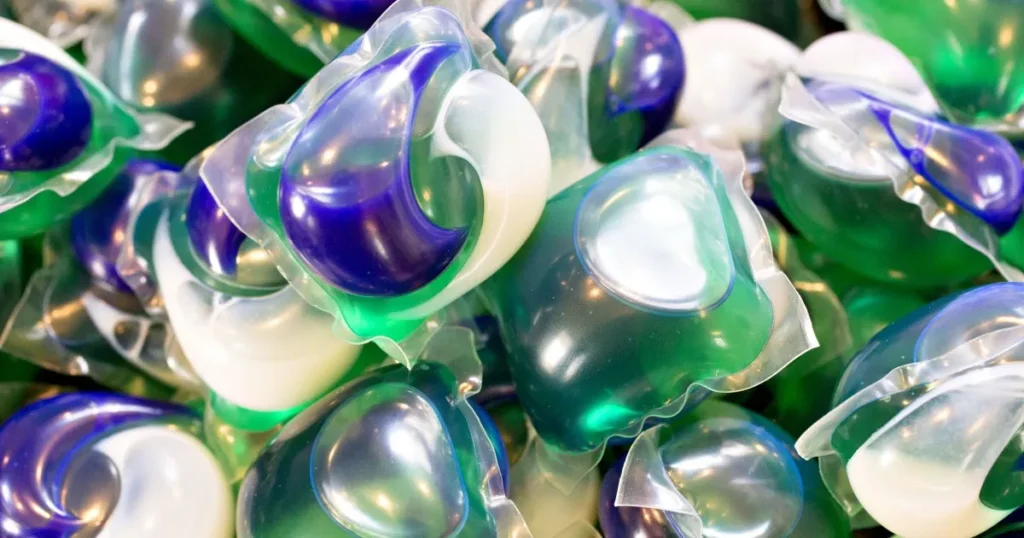
Home use testing has been successfully implemented by many businesses, including Procter & Gamble (P&G) and Unilever. P&G used home use testing to gather feedback on their new product, Tide Pods. By sending samples to consumers and gathering feedback through online surveys, P&G was able to make necessary improvements to the product before its launch, resulting in a successful product that met consumer needs and preferences. Unilever used home use testing to gather feedback on their new line of hair care products, Dove Nutritive Solutions. By sending products to consumers and gathering feedback through online surveys, Unilever was able to identify any issues or areas for improvement before the product was launched, resulting in a successful product that met consumer needs and preferences. tide pods

The Future of Home Use Testing

The future of HUT is intertwined with technological advancements. Digital platforms for feedback collection, data analytics tools, and virtual reality are some of the innovations shaping the next phase of HUT, making it more efficient, scalable, and insightful.

Choose Wirral Sensory Services To Conduct Home Use Testing

Home use testing is redefining consumer research, providing businesses with more accurate and unbiased insights into consumer behavior and preferences. By implementing home use testing, businesses can gain a competitive advantage, improve product development, and better understand their target audience. With the rise of technology and changing consumer habits, home use testing is becoming an essential tool for businesses to stay ahead in the market. At WSS, our track record speaks for itself. With over 25 years in the field, we’ve conducted home use tests for leading global brands, offering insights that drive product improvements that better resonate with target audiences. Our dedicated team crafts tailored tests to suit your brand’s needs and turns consumer feedback into actionable insights that drive successful product development. So, if you’re looking to truly understand your product’s impact and refine its appeal, WSS is here to help. Call us on +44 (0)151 346 2999 or via email at info@wssintl.com.

Your Quick Guide to Efficacy Testing for Cosmetic Products

suncream Efficacy testing is more important in the cosmetic industry than almost any other. It doesn’t just ensure that a product works. It also validates the promises made to consumers. When you’re marketing a cosmetic product and make claims like “reduces fine lines” or “intense hydration,” it’s efficacy testing that provides the evidence behind these statements. As a brand, efficacy testing builds trust, assures quality, and sets the foundation for transparent communication with consumers. So, let’s give you a quick guide to bring you up to speed on how it works in the cosmetics industry.

Key Types of Efficacy Tests in the Cosmetics Industry

Clinical Trials

Often hailed as the gold standard in efficacy testing, clinical trials are comprehensive and conducted by dermatologists on human subjects. While they provide in-depth analysis and are highly reliable, they come with a hefty price tag. The extensive duration and resources required can make them a costly option for many brands.

Consumer Testing

Consumer testing involves real users providing feedback on products. It’s not just about how effective a product is, but also how it feels, smells, and integrates into daily routines. Attributes such as texture, scent, and absorption are evaluated, giving brands a holistic view of consumer experience. It’s often a more affordable and practical approach, especially for brands looking to make claims based on real-world user perspectives.

Lab Tests

Lab tests offer precise and objective measurements of ingredient and formula performance. They often test for attributes like irritation and UV protection, but they don’t provide any insights beyond the measurements returned. personal care product testing

What Kinds of Claims Are Made and Tested in the Cosmetics Industry?

When browsing the beauty aisles or shopping online, you’ve likely come across a myriad of claims made by cosmetic brands. But what do these claims really mean, and how are they tested? Let’s delve into some of the most common ones: Anti-ageing: This is all about turning back the clock. Brands claim to reduce the appearance of fine lines, wrinkles, and improvements in skin tone. Some even promise to boost collagen production, giving skin that youthful bounce. Acne-fighting: For those battling breakouts, acne-fighting products are a godsend. They claim to reduce breakouts, control oil, and promote exfoliation, leading to clearer skin over time. Moisturising: Hydration is key to healthy skin. Moisturising products aim to increase hydration levels, reduce transepidermal water loss, and strengthen the skin’s barrier function, ensuring it stays soft and supple. SPF/UV Protection: With the increasing awareness of sun damage, SPF and UV protection claims are more prevalent than ever. These products are designed to absorb harmful UV rays and prevent sun damage, keeping skin safe and reducing the risk of premature ageing. Sensitive Skin: For those with delicate skin, products that reduce irritation, redness, and inflammation are crucial. Brands cater to this need by formulating products that soothe and calm the skin, ensuring minimal reactions. Other Claims: The beauty industry is vast, and so are the claims made. From lifting and firming to enhancing brightness and elasticity, brands are constantly innovating to meet the diverse needs of their consumers. Whatever the claim, brands need to ensure they produce the evidence to back up these promises, building trust and loyalty among their customers. efficacy testing

Interpreting and Promoting Results of Efficacy-Tested Cosmetic Products

Navigating the world of cosmetic product claims can be a minefield. It’s not just about getting results; it’s about understanding and communicating them effectively to your audience. Here’s a guide to help you understand what goes into creating impactful and influential product claims.

Statistical Significance

Before you shout about your product’s benefits from the rooftops, you must ensure that your findings are statistically significant. This means the results aren’t just a fluke but can be confidently attributed to your product. For example, if 90% of users claim your moisturiser “made them feel younger” over a significant sample size (over 100 is ideal), that’s a result worth noting and promoting.

Clear and Compliant Marketing

Once you have your results, it’s tempting to make bold claims. However, it’s essential to ensure that your marketing messages are transparent and legally compliant. Avoid exaggerations and ensure that what you’re saying aligns with the evidence. Remember, consumers value honesty and transparency, and you want to stay on the right side of the Advertising Standards Authority (ASA).

Ongoing Testing

The beauty industry is ever-evolving, with new ingredients and formulations constantly emerging. As such, it’s vital to continue testing your products, especially when introducing new formulations. This ensures that you’re consistently delivering on your promises and maintaining the trust of your loyal customers with evidence-backed product claims. personal care products  

Harness The Power of Efficacy Testing in Cosmetics

Efficacy testing is not just a box to tick. It’s a crucial step in building consumer trust and ensuring your cosmetic products deliver on their promises. While clinical trials and lab tests offer a high degree of objectivity, they can be costly and may not fully capture the real-world consumer experience. At WSS, we specialise in consumer research that provides valuable insights into how your product performs in the hands of real users. Our approach to efficacy testing balances clinical rigour with consumer perspectives, giving you a holistic view of your product’s efficacy. Ready to take the next step? Visit our efficacy testing services page to learn more about how we can help you validate your product claims and build a stronger brand. Alternatively, you can contact us to discuss your upcoming efficacy testing project.

Mistakes Brands Should Avoid When Product Concept Testing

surface cleaner Product concept testing is pivotal in brand development, offering invaluable insights into potential product viability and consumer preferences. However, while the process can be a game-changer for many brands, it’s not without its challenges. All too often, brands stumble into pitfalls that can skew results and lead to misguided decisions. With that in mind, let’s delve into some of the most common mistakes brands make during product concept testing and offer guidance on how to sidestep them.

Mistake #1: Putting Too Many Ideas into A Single Product Concept Test

It’s natural to want to maximise your product concept test. After all, gathering feedback is crucial, and it might seem efficient to throw in as many ideas as possible. However, cramming multiple ideas into one survey can backfire. When you present your target audience with a lengthy list of questions for each idea, the testing experience can become overwhelming. Participants might rush through the survey, skim over questions, or even drop out before completing it. This not only affects the quality of feedback but also reduces its accuracy. While it might seem like a cost-saving measure initially, in the long run, it can lead to misguided decisions based on poor-quality data. Remember, quality always trumps quantity. It’s better to have precise insights from a few well-thought-out ideas than vague feedback from a multitude.

Mistake #2: Cancelling Idea(s) After a Single Concept Test

It’s easy to feel disheartened when a product concept doesn’t perform well in its initial test. But remember, a single test isn’t the be-all and end-all. Numerous factors could have influenced the outcome, such as testing the wrong demographic or geographic region. If your product concept doesn’t initially resonate with your target audience, it doesn’t necessarily mean you should abandon ship. Instead, consider it an opportunity to pivot and refine your idea. Take the feedback on board, tweak your concept, and test again. It’s all part of the iterative process that’s crucial to successful product development. So, don’t be too quick to discard an idea. Be prepared to make adjustments and give it another shot. After all, the most successful products are often the result of trial and error, learning, and adaptation.

Mistake #3: Guiding Consumers Down a Specific Path with Closed Questions

When it comes to product concept testing, the way you frame your questions matters. Closed questions, while straightforward, can inadvertently guide consumers down a specific path, limiting the depth and breadth of their feedback. Open-ended questions, on the other hand, allow consumers to share their spontaneous thoughts and feelings about a product concept. This unaided feedback can reveal concerns, opportunities, or insights you might not have anticipated. For instance, instead of just asking consumers to rate a product concept, why not let them describe their initial reactions or what stood out to them? While there’s a place for yes/no questions, follow up those answers with questions that delve deeper into why consumers feel a certain way. That way, you not only gauge interest and purchase intent but also understand the emotional resonance and differentiated benefits of your product concept. shower gel

Mistake #4: Testing Single Product Concepts in Isolation

Testing a single product concept in isolation can provide valuable insights, but it often lacks the context needed to make informed decisions. It’s essential to test multiple concept variants to optimise different elements like messaging, visuals, and pricing. When you test only one iteration, you might miss out on understanding how small changes can significantly impact consumer perception and preference. Additionally, testing concepts both standalone and side-by-side can provide a clearer picture of absolute reactions and relative preferences. This approach helps you understand how your concept stacks up against alternatives or competitors. So, incorporate these practices into your testing strategy to be better equipped to make decisions that resonate with your target audience and ultimately drive product success.

Mistake #5: Over-Reliance on Surveys

Surveys are a popular tool for gathering feedback, but relying solely on them can lead to missed opportunities in product concept testing. While they’re great for collecting quantitative data, they might not capture the nuances of consumer motivations and reactions. It’s worth considering more qualitative methods, such as in-depth interviews or focus groups. These approaches allow for a deeper dive into consumer thoughts, feelings, and behaviours, offering insights that a simple survey might overlook. Remember, a holistic approach to product concept testing often yields higher-quality insights. By combining both quantitative and qualitative methods, you’ll be better equipped to understand your target audience and refine your product concepts effectively.

Perfect Your Product Concept Testing Approach with Wirral Sensory Services

Avoiding these common mistakes in product concept testing is crucial for any brand aiming to develop successful products. A comprehensive and open-minded approach to testing, which includes a mix of both qualitative and quantitative methods, is crucial in gaining valuable insights that can inform product development. At Wirral Sensory Services (WSS), we pride ourselves on our extensive experience and expertise in product concept testing. Our team utilises a wide range of methodologies, going beyond just surveys, to provide you with the most accurate and actionable insights. Get in touch with us today to discuss how we can support your brand in developing products that meet the needs and preferences of your target audience. You can reach us by phone on +44 (0)151 346 2999 or via email at info@wssintl.com.

The Value of Home Use Testing for Personal Care Products

personal care product testing The personal care industry is a competitive landscape, constantly evolving to meet the ever-changing needs and preferences of consumers. In this fast-paced environment, product testing has become a crucial aspect of product development and marketing. One method that has gained popularity for its effectiveness and practicality is home use testing (sometimes referred to as HUT). This consumer research method involves sending products to potential consumers who then use them in their daily routines and provide feedback. Companies utilising this approach gain a real-world perspective on how the product performs, its benefits, and any potential improvements that could be made. By investing in home use testing, you can gather valuable insights that can inform product development and marketing strategies to drive sales.

How Home Use Testing Adds Value and Authenticity to Product Claims

In today’s saturated personal care market, consumers are more discerning than ever. They seek products that not only deliver on their promises but also provide genuine, transparent claims about their efficacy. By allowing real users to test products in their daily routines and provide feedback, brands can offer a level of transparency that resonates with consumers. Rather than just saying a product works, you can prove it through real-world experiences. This approach helps you stand out as a brand and gives the customer the confidence to purchase your product. Just look at the following statistics regarding the power of customer-backed claims:
  • 86% of women and 71% of men notice claims in beauty/personal care brand advertising or packaging.
  • 89% of women and 79% of men say that consumer claims influence their decision to purchase beauty/personal care products.
  • 73% of women and 62% of men have purchased a product as a result of reading a consumer claim on a package, in an advertisement, or in an in-store display.
These figures underscore the importance of independent validation and the value consumers place on it. By incorporating home use testing into your product development strategy, you’re not only meeting consumer demands but also setting your brand apart in a competitive landscape. personal care products

Additional Benefits of Home Use Testing for Personal Care Products

Home use testing offers many advantages for personal care brands looking to validate their products and connect with their target audience. Let’s delve into some of the key benefits:

Cost-Effective Alternative to Clinical Testing

Clinical testing can be a costly and time-consuming process. Home use testing, on the other hand, provides a more affordable way to gather feedback on your products. By sending your products directly to consumers for testing, you can save on the overheads associated with clinical trials while still obtaining valuable insights.

Real-World Feedback from Everyday Use

There’s no better way to understand how your product performs than by getting feedback from those using it in their daily routines. Home use testing offers this unique perspective. Consumers can provide insights on everything from the product’s texture and scent to its efficacy and overall experience. This feedback is invaluable in refining your product and ensuring it meets the needs and expectations of your target audience.

Claim Substantiation

While we’ve touched on this earlier, it’s worth reiterating the power of validated claims. When you can confidently state that a certain percentage of users experienced specific benefits from your product, it adds a layer of trust and credibility to your brand. Home use testing provides the data needed to back up these claims, giving consumers the assurance they need to choose your product over competitors. In short, the value of integrating home use testing into your product development and marketing strategies lies in saving on research costs and ensuring your product truly resonates with your audience.

Unlocking the Potential of Home Use Testing for Personal Care Products

Understanding consumer preferences and ensuring product efficacy is essential in the personal care industry. Home use testing offers brands a direct window into how their products perform in real-life scenarios, bridging the gap between lab results and actual consumer experiences. At WSS, our track record speaks for itself. With over 25 years in the field, we’ve conducted home use tests for leading global brands, offering insights that drive product improvements that better resonate with target audiences. Our dedicated team crafts tailored tests to suit your brand’s needs and turns consumer feedback into actionable insights that drive successful product development. So, if you’re looking to truly understand your product’s impact and refine its appeal, WSS is here to help. Call us on +44 (0)151 346 2999 or via email at info@wssintl.com.

The Success of Starbucks’ Pumpkin Spice Latte: A Case Study in Sensory Research

sensory testing drinks Sensory research is pivotal in product development and marketing, providing invaluable insights into consumer preferences and behaviours. By analysing the sensory experiences of consumers, businesses can create products that not only meet but exceed customer expectations, ultimately driving sales and fostering brand loyalty. A prime example of a product that has reaped the benefits of sensory research is Starbucks’ Pumpkin Spice Latte. Since its introduction in 2003, the Pumpkin Spice Latte has become an autumnal phenomenon, encapsulating the essence of autumn in a cup. So, let’s take a deeper look at just how sensory research helped shape one of the world’s most successful seasonal products.

The Role of Sensory Research in the Pumpkin Spice Latte’s Creation

Before its release, Starbucks conducted extensive concept testing and sensory evaluation to perfect the flavour and texture of the drink, ensuring it met the highest standards of quality and taste. The unique blend of flavours and aromas in the Pumpkin Spice Latte, including cinnamon, ginger, nutmeg, cloves, and other spices, was carefully crafted through rigorous sensory research. This research involved extensive taste testing with consumers, allowing Starbucks to fine-tune the recipe until it was just right. The end result was a beverage that not only delighted the taste buds of their target customers but also evoked a sense of nostalgia and comfort, transporting consumers to a place of falling autumn leaves and pumpkin picking with every sip. Aside from the taste, the aroma of the spices plays a crucial role in invoking this more ‘emotional’ response to the drink. The combination of taste and smell creates a multi-sensory experience that is both pleasurable and memorable, contributing to the drink’s popularity and success. starbucks taste testing

How Starbucks Leveraged Marketing Strategies Rooted in Sensory Research

Starbucks has expertly leveraged sensory research to craft the Pumpkin Spice Latte as the epitome of autumn in a cup. And that’s been a key feature of its successful marketing efforts. The so-called “taste of autumn” has become the central theme and has been pivotal in creating a strong emotional connection between the beverage and the autumn season. Limiting the sales to this period each year has only further enhanced that connection and has helped create a sense of anticipation every year. Today, Starbucks customers associate autumn with Pumpkin Spice Lattes and vice-versa. And that connection all started with investing heavily in sensory testing to develop the perfect drink. That masterstroke has led to the Pumpkin Spice Latte becoming Starbucks’ most successful seasonal drink, attracting around £76 million in revenue from that single product line alone. starbucks taste testing

The Pumpkin Spice’s Impact on the Wider Consumer Goods Industry

This sensory research-driven success has not only boosted Starbucks’ sales but also sparked a trend that has permeated various industries, showcasing the power of sensory research in product development. For instance, this global phenomenon has led to the introduction of pumpkin spice flavours across a diverse range of consumer products, including cereals and scented candles, to name just a few. In other words, the flavour profile itself has become a benchmark for autumnal products. Now, many brands incorporate it into their offerings – all off the back of that initial sensory research. That’s the power well-executed sensory research has to drive product development and marketing strategies. starbucks sensory testing

Leverage the Power of Sensory Research in Your Product Development Today

Sensory research plays a crucial role in understanding consumer preferences, evoking positive emotions, and ultimately driving sales growth. The success of Starbucks’ Pumpkin Spice Latte is a prime example of how sensory research can be used to create a product that resonates with consumers on a deep, emotional level. At Wirral Sensory Services, we pride ourselves on our approach to sensory and consumer research. Our flexibility and competitive pricing make us the ideal partner for businesses of all sizes, from start-ups looking to break into supermarkets to global brands assessing a range of new concepts. We aim to build strong, ongoing partnerships with our clients, helping them to produce the best possible products. So, if you’re interested in discussing how sensory research can benefit your business, get in touch with us today, and let’s work together to create products that truly resonate with your consumers.

What Is Product Testing?

ihut testing Product testing is essential before launching any new product. Consider it the last dress rehearsal before the big performance. Proper testing ensures that your product is prepared to enter the market in its best shape, whether it’s a brand-new laundry stain remover, vacuum cleaner or a new flavour of soft drink. Retailers frequently ignore product testing because it requires upfront time and resources. Testing your products before release is necessary if you want to produce the best products for your target audience. It doesn’t have to be very costly or sophisticated. In this blog post we will delve into the various methods and processes you can use, to effectively conduct product testing.

What Is Product Testing?

Product testing, sometimes referred to as consumer testing, is the method of analysing a product concept to determine how it will perform amongst your target market before launch. Typically, a sample of your target audiences tries out, uses or consumes the product and tells you what they think of it. You can use both quantitative and qualitative data to collect and analyse their feedback. Product Testing will allow you gauge how well your product is likely to perform when compared to the competition, but you can also identify potential areas of improvement and get a sense of what your customers are really looking for. product testing laundry pod

Why Product Testing Is Important?

Developing New Products

You must ascertain whether a new product would appeal to prospective buyers before bringing it to market. Product testing helps you launch products people will actually buy. If you don’t test a product before releasing it onto the market, there is no way of knowing how reliable it is or how well it will perform in the face of real world challenges. Despite the fact that some products are created to solve specific problems and are used in a certain manner, customers may actually end up using them differently and establish new habits as a result. With this in mind, you must make sure that your product is durable enough to endure real-world conditions and adaptable enough to suit different methods of operation. By conducting product testing you will learn:
  • What your target audience think about your products
  • What aspects they like or dislike
  • How they use it
  • What your potential customers think about your packaging
You’ll learn more about your product’s limitations and how much assistance you’ll need to offer as a result of product testing. Product testing is essential for differentiating new products apart from competing ones on the market.

Comply With Legislation

Product testing can be used to confirm an item’s safety and compliance with regulations. Comprehensive testing can assist you make sure a product complies with government standard and protect your business from any legal action. For instance, if you sell sofas, you must ensure that they adhere to fire safety requirements for furniture and upholstery, passing ignitability tests and displaying the relevant fire safety labels.

Identify Cost Savings

Product testing speeds up development and improves reliability. Some small firms choose not to test in order to save money up front, but by doing so, they risk their business and lose out on potential long-term benefits. Product testing can lead to decreased costs because:
  • Lowering the likelihood of product failures and faults – Testing identifies design flaws and weaknesses in a product before the consumer does.
  • Fewer fixes – The cost of owning and operating your product can be reduced by identifying (and resolving) flaws throughout the production process.
  • Lower warranty payouts and returns – Customers are less likely to return items and request refunds if fewer products fail.

Improve Existing Products

Making a product that people enjoy is challenging. To keep up with changing consumer demands and industry trends, improvements are occasionally necessary. Regular product testing provides you with valuable qualitative data to renew existing products faster and discover hidden use cases from the customer’s point of view. taste testing

Benefits Of Product Testing

There are many benefits of product testing. Some of the key benefits are:
  • Identify Product Defects Early – Product testing can help you identify and rectify issues early on before reaching customers on a larger scale, saving you time, money, and post-launch headaches down the road.
  • Improve Product Quality – Product testing can also help you improve your product’s overall quality and performance. For instance, extensive taste testing can uncover a better combination of flavours or ingredients, while product benchmarking can reveal what consumers like about your competitor’s offerings.
  • Verify Product Claims – Product testing using methods such as efficacy testing can help you verify the claims you make about your product so that customers can be confident they’re getting what they expect when they make a purchase. This is especially important in industries such as cosmetics and skincare, where customers are often willing to pay a premium for products that live up to their claims.
  • Increase Customer Satisfaction & Loyalty – It’s no secret that happy customers are more likely to buy from you again and recommend your products to others. Testing your products with consumers can help ensure that your product meets customer expectations. By making changes suggested during product testing, you can enhance customer satisfaction and, therefore, loyalty.
  • Develop A Winning Formula – After a successful round of product testing, you can gain valuable insights and develop a framework for developing successful future products. Having this structure already in place will give you a distinct advantage over the competition and ensure that each new product release is better than the last.
sensory testing

Different Product Testing Methods

Home Use Testing (HUT)

Home Use Testing (or HUT) is the process of supplying test products to consumers to test in their own home environment. This methodology can be used test a new recipe or product, conduct claim support, carry out children’s research or conduct competitor comparison analysis. HUT lets consumers fully test your product, in its intended environment, before launch. This lets you iron out any issues and make improvements using feedback from an uncontrolled environment. Feedback can be gathered in person, over the phone, through consumer surveys, video calls, or other methods. With HUT market research software, you can also ask customers questions as they are using the product and gather real-time feedback from them remotely. As HUT takes place in a consumer’s house rather than a test environment, the results are more realistic in terms of product satisfaction, usage, and improvement areas.

Central Location Testing (CLT)

Central location testing is a type of product market research that is conducted in a controlled environment. Unlike home-use testing, it is not conducted at the participant’s home, allowing for more objective feedback as all participants experience the same testing conditions. Central location tests are often referred to as ‘hallway tests’ as they are frequently conducted in community settings such as supermarket aisles, shopping centres, churches, schools, and city-centre eateries. Tests can also be performed in formal testing labs, depending on the type of the product and the nature of the feedback you require. There are a number of  different central location testing methods. These include the paired comparison test, sequential monadic test, and the repeat paired comparison test, to name but a few. The paired comparison test gives researchers insight into how two products compare against each other. The test is conducted by providing participants with two products and a standardised set of criteria. Participants are then asked to assess the two products simultaneously against the standardised criteria provided. During the sequential monadic test, participants assess two different products individually and then simultaneously. Consumers tend to exaggerate the difference between products when assessing them simultaneously. To overcome this inherent bias, the paired comparison test sees participants assess the products individually first. After their initial individual evaluations, both products are to be assessed simultaneously. Participants can then rank the products more accurately. The repeat paired comparison test, on the other hand, aims to reduce bias and subjective participant preferences for a product through repetition. During the test, participants compare the same set of products two or more times. The repetition ensures that the initial feedback provided by participants was accurate and not random. For example, a product could be packaged in a blue container, but the participants could dislike the colour. This participant’s initial feedback may be biased because they dislike the packaging. However, after re-evaluating the same product, the participants will be more likely to move beyond their subjective dislikes, allowing for more accurate feedback. product concept testing

Contact Wirral Sensory Services for Your Product Testing Requirements Today

At WSS, we carry out all manner of product testing and consumer research projects for leading brands in a variety of industries. We boast an experienced team as well as a broad pool of testers and trained assessors, ensuring we can cater to your specific requirements. Whether you need help with sensory research, consumer testing, or product development and improvement, we’re here to help. Contact us today to discuss your product testing needs at +44 (0)151 346 2999 or send your enquiry to info@wssintl.com.

Guide To Product Concept Testing

product concept testing

What Is Product Concept Testing?

Product concept testing is an early market research technique that increases the likelihood that you will introduce a product that consumers will be eager to buy. Early on, you test a product’s feasibility with its target audience, and you make adjustments to it based on their comments and the data acquired from concept testing. Product concept testing is a critical phase of product development. It will help you to avoid expensive mistakes and unpleasant surprises. The data and information you receive will give you a lot better understanding of the market and will assist you in launching your product with much more success. Product concept testing should be a priority for all businesses looking to bring a new product to market. This is as there are several statistics that paint a sombre picture of the reality of product launches: Under this pressure, you want to make sure your product connects with your customer before it goes to market. By doing the right product research, you’re checking that your assumptions about your customer are correct. These damning statistics reiterate why it is so important to make sure your product resonates with your target consumer before it enters the market. By conducting thorough consumer research and product concept testing you can have more confidence that your presumptions about your target audience are correct. beer sensory testing

The Role Of Concept Testing In Market Research

Conventional market research typically involves participants selecting from predefined criteria established by a company in order to offer their feedback. This process is unidirectional and concludes once the company obtains the desired responses. In contrast, concept testing takes a distinct approach. It centers on actively listening to the audience’s perspectives and assessing the feasibility of a concept from their standpoint, free from any inherent biases. This method yields unfiltered feedback regarding their desires, potentially illuminating aspects the company might have overlooked. It represents an ongoing and reciprocal learning process, allowing continued engagement with the same target audience to gather their insights on evolving product developments as they unfold.

Benefits Of Product Concept Testing

There are a number of benefits of conducting product concept testing before launching a new product. These include:

Real Feedback From Consumers

Product designers and developers often become too close to a product to make objective decisions about it. Just because an idea feels right to them doesn’t necessarily guarantee its commercial viability. Product concept testing offers valuable real-world feedback and data from your specific target audience, which cannot be replicated by relying solely on your internal team within the company.

Helps You Identify Shortcomings

Nearly every product concept harbors imperfections. Subjecting your product to real consumers’ scrutiny assists in uncovering weaknesses that might have eluded detection during the design and development stages. It’s consistently advisable to seek fresh perspectives on your product.

Allows You To Improve Your Product

Prior to testing, your product is just a sample that has all the major components in place yet needs some minor tweaks. Product concept testing can help shed light on what your target audience think about your product. This will give you some ideas on how to revise and improve your product so that it’s more likely to be a hit with consumers when it is launched.

Helps Your Gather Support For The Product Concept At An Early Stage

If your plan for a new product hinges on substantial input from senior leaders or colleagues, providing them with an initial glimpse of evidence can speed up the process and show the potential of the work they’ll be contributing to. When a team is confident, it tends to garner increased support and a greater willingness to go the extra mile.

Choose Wirral Sensory Services For Product Concept Testing

Product concept testing can enhance your product development and marketing strategies, reduce the time required to market and launch your product, and keep your customers happy. If you’re weighing up whether to pursue concept testing for your new product lines, why not email our team today at info@wssintl.com to learn more about how we can help your brand gain valuable insights into what your target consumers think about your products and how they can be improved before launch.

Personalised Palates: The Role of Sensory Evaluation in Customised Food & Drink Experiences

beer sensory evaluation In today’s consumer-driven landscape, the pursuit of personalised experiences has significantly transformed the way we approach food and beverages. Consumers are no longer satisfied with a one-size-fits-all approach; they seek unique, customised experiences catering to their tastes, dietary requirements, and lifestyle choices. Central to this evolution is sensory evaluation, a sophisticated scientific tool that allows food and beverage companies to delve deeper into consumer preferences and craft offerings that truly resonate on an individual level. By leveraging sensory evaluation, brands are taking strides in providing personalised food experiences, one palate at a time. With that in mind, let’s explore the intricacies of sensory evaluation, its crucial role in the food and beverage industry, and how it is utilised to create personalised and memorable consumer experiences.

A Quick Word on the Personalisation Trend Within the Food and Drink Industry

Personalisation has become a significant trend across various industries, including food and beverages. People are seeking products and experiences tailored to their unique preferences and needs. Responding to this trend, food and beverage companies are increasingly harnessing the power of sensory evaluation. This scientific method allows brands to understand the individual preferences and sensory profiles of consumers. By conducting sensory tests and gathering data on taste, texture, aroma, and visual appeal, companies can uncover insights into what resonates with different individuals. This information enables them to create customised food and beverage offerings that align with specific consumer preferences.

How Brands Are Leveraging Sensory Evaluation to Better Meet the Personalised Requirements of Their Target Consumers

To better illustrate how leading brands and manufacturers are using sensory evaluation to customise their offerings, here are three examples:

Coffee Customisation

Coffee companies like Starbucks and Costa Coffee offer extensive options for customising beverages. They conduct sensory evaluations to understand individual preferences for factors such as coffee strength, milk type, and flavour additions. This data is then used to provide personalised coffee experiences, allowing customers to create their perfect cup.

Menu Personalisation

Some restaurants and food delivery services utilise sensory evaluation to personalise menus. By conducting taste tests and gathering feedback from customers, they can determine preferred flavour profiles and ingredient combinations. This information is used to curate personalised menu recommendations for individual customers, ensuring a tailored dining experience. This trend is particularly prevalent in the fast food and takeaway sector, where customers are increasingly looking for convenient, personalised and on-demand food.

Personalised Nutrition

Sensory evaluation is used to develop customised food products that cater to specific dietary needs and preferences. For instance, companies like Huel and Rootana use sensory evaluation to create personalised meal replacement shakes or snack bars. By considering taste, texture, and nutritional requirements, they can offer products that align with an individual’s unique dietary goals.

Ice Cream Flavour Creation

Ice cream brands often conduct sensory evaluations to create customised ice cream flavours. Ben & Jerry’s, a global leader in the ice cream industry, is a stellar example of this approach. For example, their limited-edition flavour, “Netflix & Chill’d,” was the result of numerous taste tests and sensory evaluations, ultimately leading to a flavour profile that resonated deeply with ice cream enthusiasts and Netflix binge-watchers alike. This instance showcases how sensory evaluation can facilitate the creation of highly personalised ice cream experiences.

Leverage the Power of Sensory Evaluation to Create More Personalised Experiences

In conclusion, sensory evaluation plays a vital role in catering to the rising demand for personalised food experiences. Companies can better understand individual sensory preferences by creating customised flavour profiles, texture profiles, and overall sensory experiences that resonate more closely with their customers. Furthermore, by leveraging the power of sensory evaluation, brands can provide unique and tailored food and beverage offerings, enhancing customer satisfaction and loyalty in an increasingly personalised market. At Wirral Sensory Services, we utilise our expertise in sensory evaluation to guide businesses like yours in creating products that truly resonate with your customers. We believe in the power of personalisation and are ready to help you unlock it to improve market share, drive sales, and grow your business. So why wait? Get in touch with us today, and let’s begin the journey towards creating unique, memorable, and tailored experiences for your customers.

How Efficacy Testing is a Key Driver in Lean Product Development

efficacy testing In the challenging landscape of product development, efficiency and effectiveness are paramount. To achieve these outcomes, companies must create products that serve their intended purpose and streamline their development process to minimise waste and maximise value. Enter efficacy testing – a rigorous process that examines a product’s functionality and performance under real-world conditions. By identifying potential issues early on and providing critical insights for improvement, efficacy testing has emerged as a vital driver in lean product development. So let’s delve into how efficacy testing bolsters lean principles, enabling businesses to deliver superior products more efficiently. But first, what is meant by “lean product development” in the first place?

What is Lean Product Development?

Lean Product Development (LPD) is a philosophy and methodology derived from Lean Manufacturing (LM) principles, aiming to reduce waste, increase efficiency, and speed up the development process. It’s all about doing more with less and doing it faster, without compromising the product’s quality or the customer’s needs. As we shall explain, efficacy testing plays a pivotal role in the LPD process.

How Efficacy Testing Aids Lean Product Development

Efficacy testing is undeniably a cornerstone of any successful product development. Its primary function is ensuring a product performs its intended purpose under real-world scenarios. However, its advantages span much wider. It’s also fundamental to facilitating lean manufacturing practices, leading to a smoother, more efficient product development process.

Early Identification of Issues

By identifying potential issues at the early stages of product development, efficacy testing plays a crucial role in supporting lean manufacturing. Early identification of these problems means teams can swiftly address them before they evolve into larger, more costly issues. Suppose a particular component is found to be failing under certain conditions during efficacy testing. In that case, the team can address the issue head-on before the product enters mass production, thus preserving time, resources and reducing waste.

Fosters a Culture of Continuous Improvement

Moreover, efficacy testing can help promote a culture of continuous improvement, another fundamental aspect of lean product development. Analysing data from test results can provide teams with opportunities to refine product design, boost performance, and even further streamline the manufacturing process.

Prevents Overproduction

Additionally, efficacy testing assists in mitigating overproduction, one of the significant forms of waste identified in lean manufacturing principles. With robust testing and confirmation that a product meets its performance standards, companies can confidently produce the right amount, eliminating the need to overproduce due to fear of potential issues. In essence, efficacy testing doesn’t just assure the final product’s performance but also paves the way for a leaner, more cost-effective manufacturing process.

The Power of Efficacy Testing in Lean Product Development

Overall, efficacy testing is not just about verifying product performance; it’s a strategic tool significantly contributing to lean product development. By identifying potential issues early, facilitating continuous improvement, and preventing overproduction, efficacy testing aids in creating an efficient and waste-minimising product development process. At Wirral Sensory Services, we understand the value of effective efficacy testing in lean product development. Our dedicated team of experts is committed to helping businesses maximise their product development process, reduce waste, and deliver products that better meet customer needs. So partner with us, and let’s work together to create products that perform. Contact us today on 0151 346 2999 to discuss your requirements in more detail.